You have not yet added any article to your bookmarks!
Join 10k+ people to get notified about new posts, news and tips.
Do not worry we don't spam!
Post by : Anis Farhan
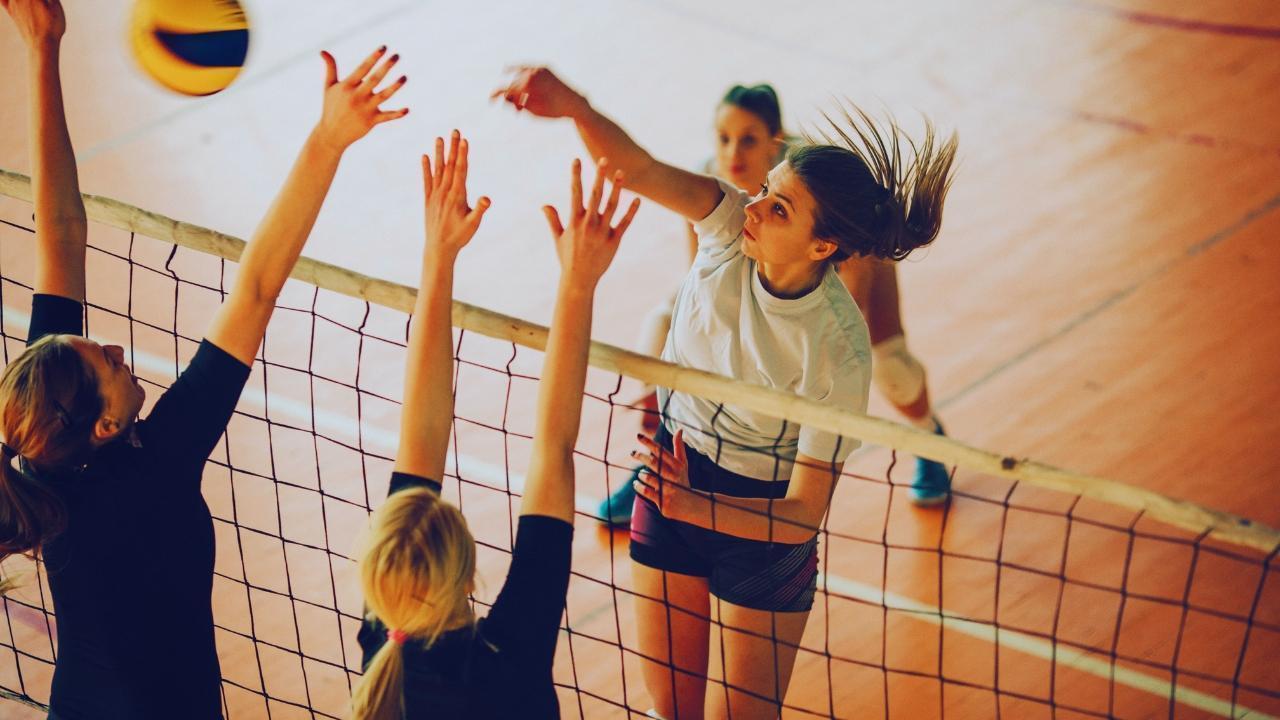
Sports are often celebrated for their entertainment value, athleticism, and passion. Yet, history has consistently shown that sports can transcend the boundaries of fields, stadiums, and courts to influence diplomacy and peace. The shared love for games has the power to break cultural and political barriers, offering a neutral ground where adversaries can meet without the weight of formal negotiations. This is where the concept of sports diplomacy emerges—using athletic competition and cooperation as a vehicle for peace and dialogue.
At its core, sports diplomacy operates on the principle of shared human experiences. Whether it is the collective roar of fans during a football match, the symbolic handshake of players before a tennis game, or the joint march of athletes during an international opening ceremony, these moments illustrate how deeply sports can touch societies across divides. Unlike rigid political talks, sports connect people emotionally, creating space for empathy and understanding where conflict and suspicion often prevail.
The roots of sports diplomacy can be traced back to Ancient Greece. The Olympic Games were not just a display of athletic prowess but also a time when warring states declared truces. The "Ekecheiria" or Olympic truce allowed athletes and spectators to travel safely to Olympia, ensuring peaceful gatherings despite ongoing hostilities.
Though the truce did not end wars permanently, it showcased the possibility of using sport as a platform for peace. This ancient tradition has inspired modern initiatives, with the International Olympic Committee reviving the Olympic Truce concept in the modern Games, reminding nations of the potential for sports to unite humanity even amidst division.
The twentieth century witnessed powerful examples of sports diplomacy, particularly during the Cold War era. When political communication between the United States and the Soviet Union reached a deadlock, sports became an unexpected bridge. The Olympics turned into a symbolic battlefield, with each side showcasing its superiority. Yet, they also provided opportunities for soft exchanges that traditional diplomacy could not achieve.
One of the most iconic moments was the “Ping Pong Diplomacy” between the United States and China in the 1970s. A simple table tennis exchange between athletes paved the way for restored diplomatic relations between the two nations. This showed that even the smallest sporting event could trigger significant political transformations.
Football, being the world’s most popular sport, has often been at the heart of sports diplomacy. The 1998 World Cup match between Iran and the United States is often remembered not just as a game but as a historic moment of reconciliation. Players exchanged flowers and posed together for a joint photograph, sending a powerful message of peace amid strained relations between the two countries.
Similarly, in West Africa, football played a crucial role in the peace process of Ivory Coast. The national team, led by star striker Didier Drogba, appealed to their fellow citizens to end the civil war during the team’s qualification for the World Cup. This plea resonated deeply with Ivorians and contributed to temporary ceasefires, highlighting the influence of sports figures as peace ambassadors.
The Olympic Games remain one of the most influential platforms for sports diplomacy today. They bring together athletes from almost every nation, including those locked in political or military conflicts. The Olympic Charter emphasizes peace and understanding, reflecting the Games’ mission to inspire global unity through sports.
The participation of North and South Korea under a unified flag during the 2018 Winter Olympics in Pyeongchang was a powerful symbol of reconciliation. Though tensions remain high on the Korean Peninsula, this symbolic gesture demonstrated the role of sports in keeping dialogue alive even in seemingly insurmountable conflicts.
While the examples above highlight the positive outcomes of sports diplomacy, it is equally important to acknowledge its limitations. Sporting events alone cannot resolve deep-rooted conflicts or replace traditional negotiations. They can open doors but rarely provide permanent solutions.
Critics argue that sports diplomacy is often symbolic rather than substantive. Governments may use sporting events as propaganda tools or as distractions from unresolved disputes. Boycotts, political protests, and nationalistic rivalries also show that sports can sometimes exacerbate tensions rather than ease them.
Nevertheless, even in its symbolic form, sports diplomacy plays an essential role in creating small windows of opportunity for peace. These moments, however brief, can help humanize adversaries and remind conflicting societies of their shared humanity.
Beyond formal institutions, athletes themselves often become de facto diplomats. Sports stars hold influence across borders and can command attention in ways politicians cannot. From Muhammad Ali’s advocacy against racial injustice to Cristiano Ronaldo and Lionel Messi supporting humanitarian campaigns, athletes are using their platforms to highlight peace and social justice causes.
These individual efforts may not solve geopolitical disputes, but they foster awareness, solidarity, and compassion at a global scale. Athletes who speak up for peace remind the world that beyond political identities, humans share a love for fairness, teamwork, and competition.
International sports organizations and NGOs play a significant role in institutionalizing sports diplomacy. The United Nations has recognized the importance of sports as a tool for peace, establishing initiatives such as the Office on Sport for Development and Peace. Similarly, NGOs across the globe run sports programs in conflict zones to foster dialogue and reduce violence among communities.
For instance, football programs in the Middle East have been used to bring together Israeli and Palestinian youth, fostering mutual respect through teamwork. In African nations recovering from civil wars, basketball and cricket tournaments have become platforms for reconciliation. These efforts showcase how structured sports programs can move beyond symbolic gestures into grassroots peacebuilding.
In today’s interconnected world, the influence of sports diplomacy is expanding. Global media coverage and digital platforms amplify sporting events, making them accessible to billions of viewers. This visibility magnifies the symbolic acts of peace shown during games, turning them into global lessons in cooperation and understanding.
As conflicts continue to shape international relations, sports remain a unique channel of dialogue. From mega-events like the FIFA World Cup to grassroots initiatives in small communities, the potential of sports to foster peace remains strong. The twenty-first century is likely to see sports diplomacy play a larger role in bridging divides as societies search for creative solutions to global conflicts.
Sports diplomacy cannot replace the hard work of negotiations and treaties, but it can complement them by softening hostilities and humanizing adversaries. Nations that invest in sports exchange programs, cultural collaborations, and youth competitions often find greater room for dialogue.
The future of peacebuilding may not lie solely in political chambers but also in football fields, basketball courts, and Olympic tracks. By recognizing the unifying potential of sports, the global community can harness this tool more effectively to bridge divides and create opportunities for peace.
Sports diplomacy proves that games are not just contests of strength, skill, or endurance but universal languages capable of shaping peace. From ancient Olympic truces to modern football diplomacy, history shows us that sports offer unique opportunities to connect people who might otherwise remain divided.
While it cannot singlehandedly end wars, sports diplomacy brings societies closer, opens channels of dialogue, and offers hope that even in a fractured world, there are arenas where unity and respect can prevail. The roar of the crowd, the spirit of competition, and the camaraderie of athletes continue to remind humanity that peace, much like sport, requires teamwork, fairness, and shared commitment.
This article is intended for informational and editorial purposes only. It explores the concept of sports diplomacy as a peacebuilding tool and does not represent the official views of any government, institution, or organization.



Lamborghini Catches Fire on Singapore's ECP, Causing Heavy Traffic
A Lamborghini caught fire on Singapore's ECP, causing heavy traffic and bus delays. No injuries were

Bangkok Airport Duty-Free Area Flooded by Pipe Burst
A burst water pipe flooded the duty-free shopping area at Bangkok's Suvarnabhumi Airport on July 16,
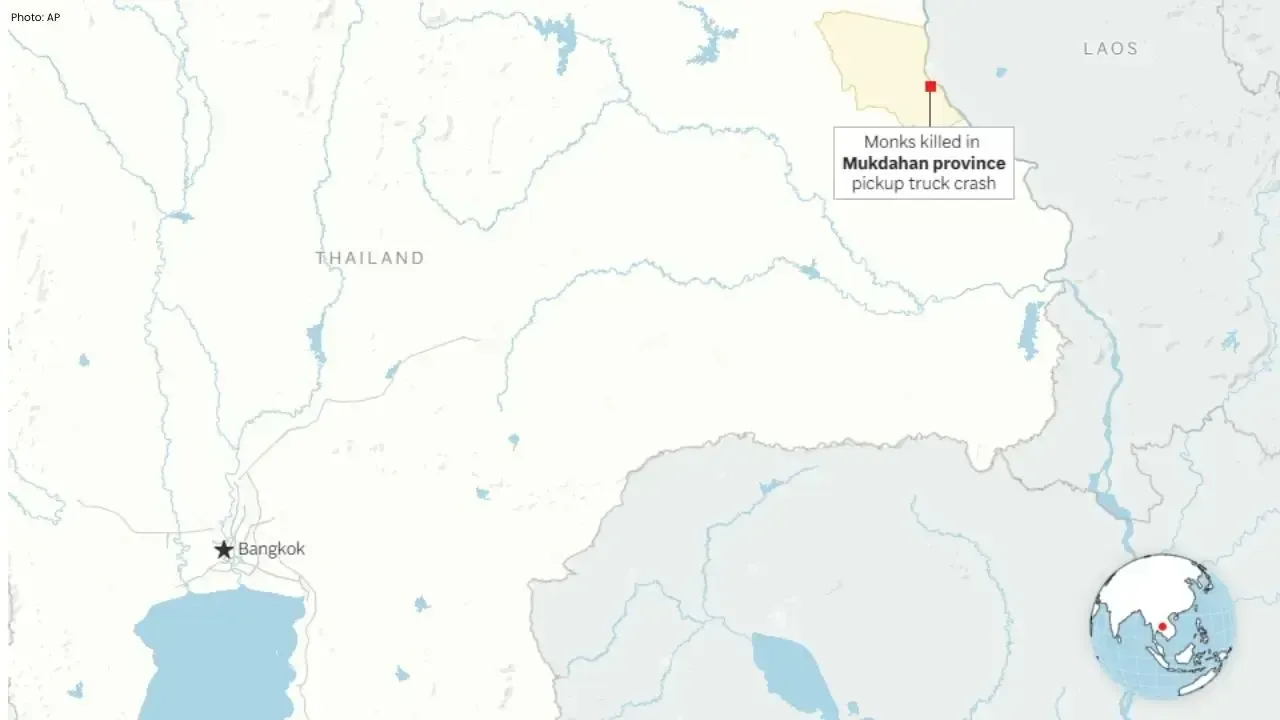
Nine Monks Killed in Thailand Pickup Truck Tragedy
An 11-year-old boy driving a pickup truck crashed into monks during a pilgrimage in northeastern Tha
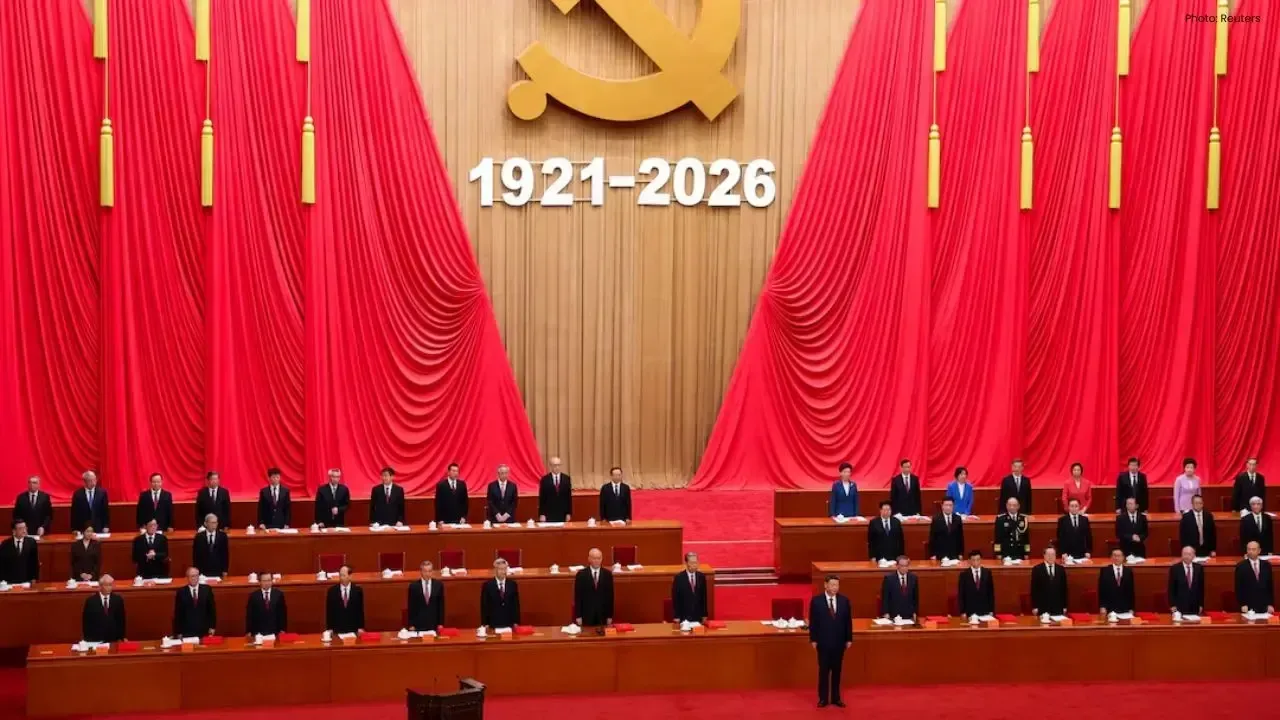
Anwar Congratulates Xi on CPC's 105th Anniversary
Malaysia reaffirms strong ties with China as PM Anwar Ibrahim sends a congratulatory letter to Presi
Thai Agriculture Team Reviews 2026 Farm Development Plans
Agriculture Ministry officials inspected livestock and organic rice projects in Nakhon Sawan to moni
Thailand, Canada Boost Ties in PM-Level Phone Talks
Thailand and Canada agreed to strengthen trade, security, OECD cooperation and ASEAN-Canada FTA talk