You have not yet added any article to your bookmarks!
Join 10k+ people to get notified about new posts, news and tips.
Do not worry we don't spam!
Post by : Rameen Ariff
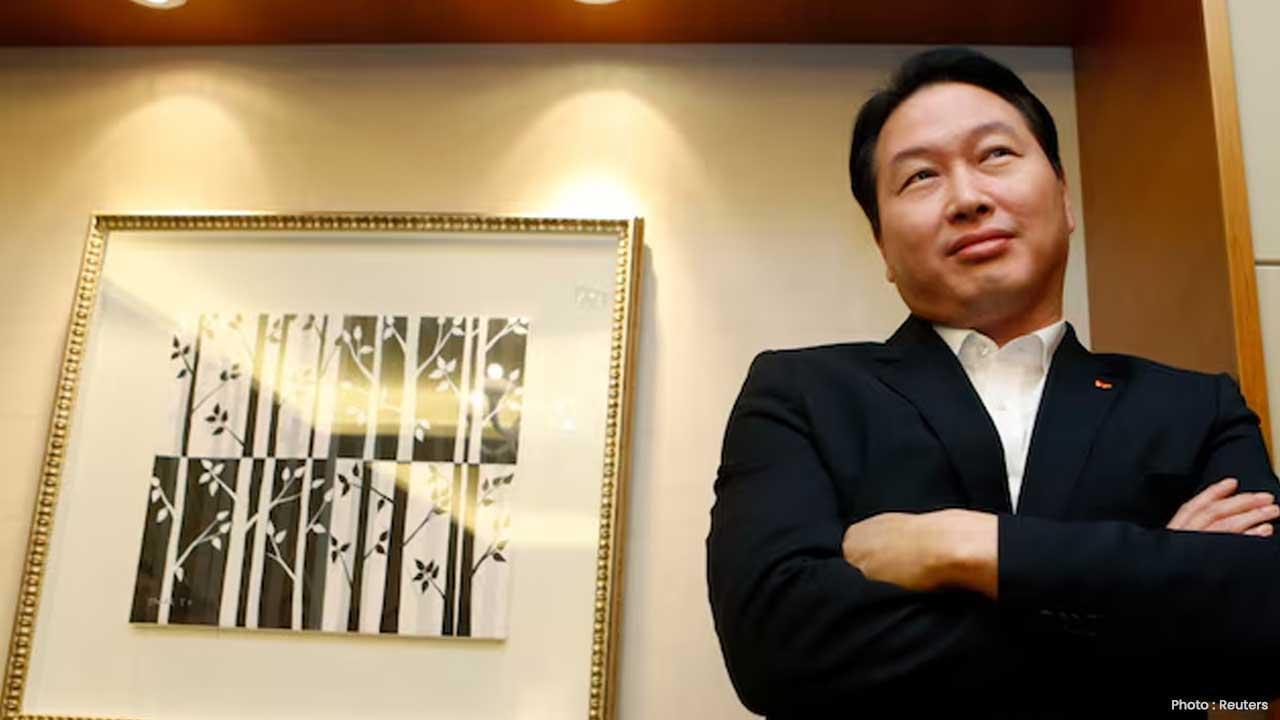
South Korea’s Supreme Court has delivered a landmark ruling in the high-profile divorce case of billionaire Chey Tae-won, overturning a lower court’s order requiring him to pay his ex-wife Roh So-young a 1.38 trillion won ($1 billion) settlement. The decision has sent shockwaves through South Korea’s business and social circles, as the case had been widely dubbed the “divorce of the century.”
The Supreme Court cited a miscalculation in the valuation of the couple’s assets, particularly involving a 30 billion won slush fund linked to Roh So-young’s father, former president Roh Tae-woo. The court ruled that the fund, which had been counted as part of the couple’s joint assets, appeared to have originated from bribes illegally received, and therefore could not be included in the asset valuation. As a result, the case will now be reviewed by the lower courts.
Chey Tae-won, who heads the powerful SK Group conglomerate, had previously appealed the 2024 lower court decision that ordered the massive settlement. The ruling had considered Roh So-young’s family wealth as a legitimate contribution to the couple’s assets. With the Supreme Court now striking down that calculation, Chey’s legal team hailed the decision as significant. Lee Jae-geun, Chey’s lawyer, stated, “It is very significant that the Supreme Court clearly declared that it was wrong to recognise that as a contribution to the couple's joint property.”
Despite overturning the main payout, the Supreme Court upheld a smaller 2 billion won alimony payment for Roh So-young. The ruling has already impacted the stock market, with shares of SK Group falling 5.4% immediately after the decision, reflecting investor uncertainty over the ongoing legal proceedings. Analysts, however, suggest that Chey is unlikely to make immediate changes to SK Group’s operations, as he controls key subsidiaries including SK Telecom, SK Square, and SK Innovation.
The high-profile divorce has captivated the nation due to the prominence of both parties. Chey Tae-won is recognized as one of South Korea’s wealthiest businessmen, while Roh So-young is the daughter of a former president. The marriage ended in 2015 after Chey admitted to fathering a child with another woman, triggering a lengthy legal and public drama that has continued for years.
SK Group, a major player in telecommunications, energy, pharmaceuticals, and semiconductors, remains under Chey’s control despite the ongoing legal uncertainty. The Supreme Court ruling emphasizes that the company is unlikely to face immediate financial strain due to the divorce settlement, allowing Chey to maintain stability in SK Group’s operations while the asset review process continues.
This historic ruling not only reshapes one of South Korea’s largest divorce settlements but also underscores the Supreme Court’s stance on legally questionable contributions to marital assets. The decision has drawn widespread attention, illustrating how high-profile legal cases intersect with corporate governance, family wealth, and public interest in South Korea’s elite circles.

ASML and Zeiss Target Next-Generation Chip Technology in 10 Years
ASML and Carl Zeiss are developing Hyper NA technology to print smaller chip circuits, with the next

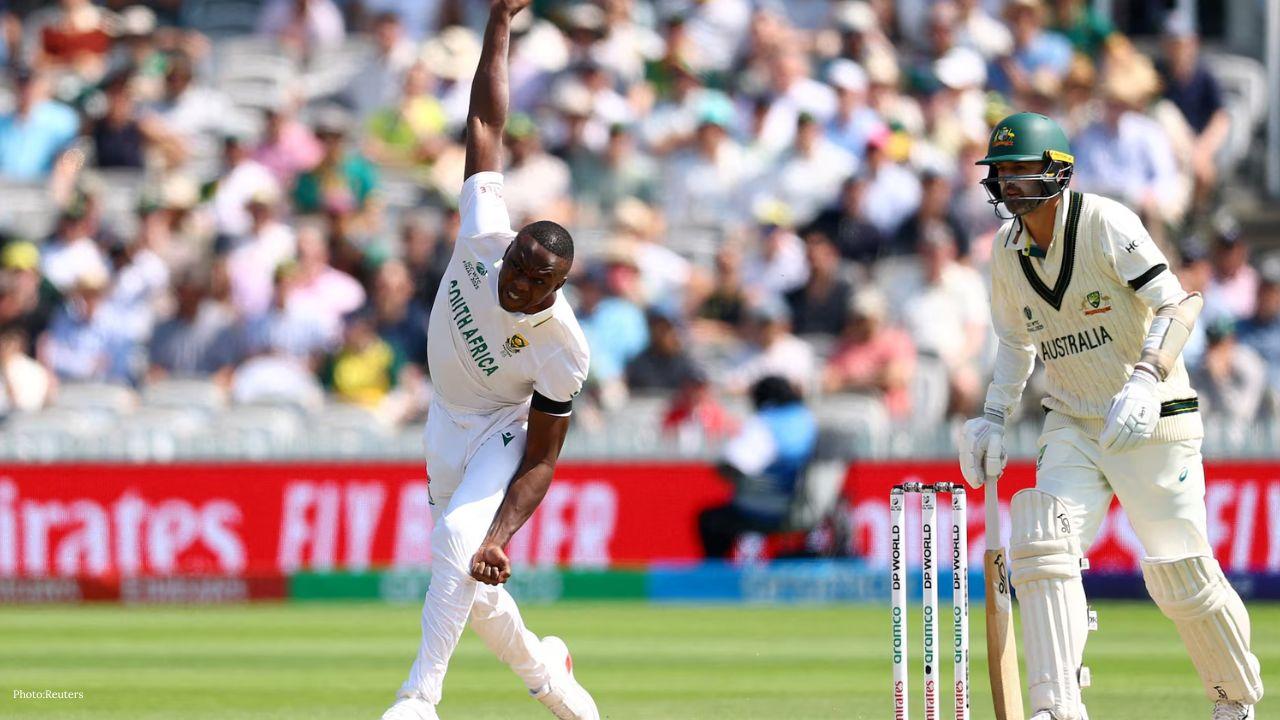
Rabada Misses First Australia Test as South Africa Pick Two Spinners
Kagiso Rabada misses the opener as South Africa vs Australia begins, with Anrich Nortje returning an

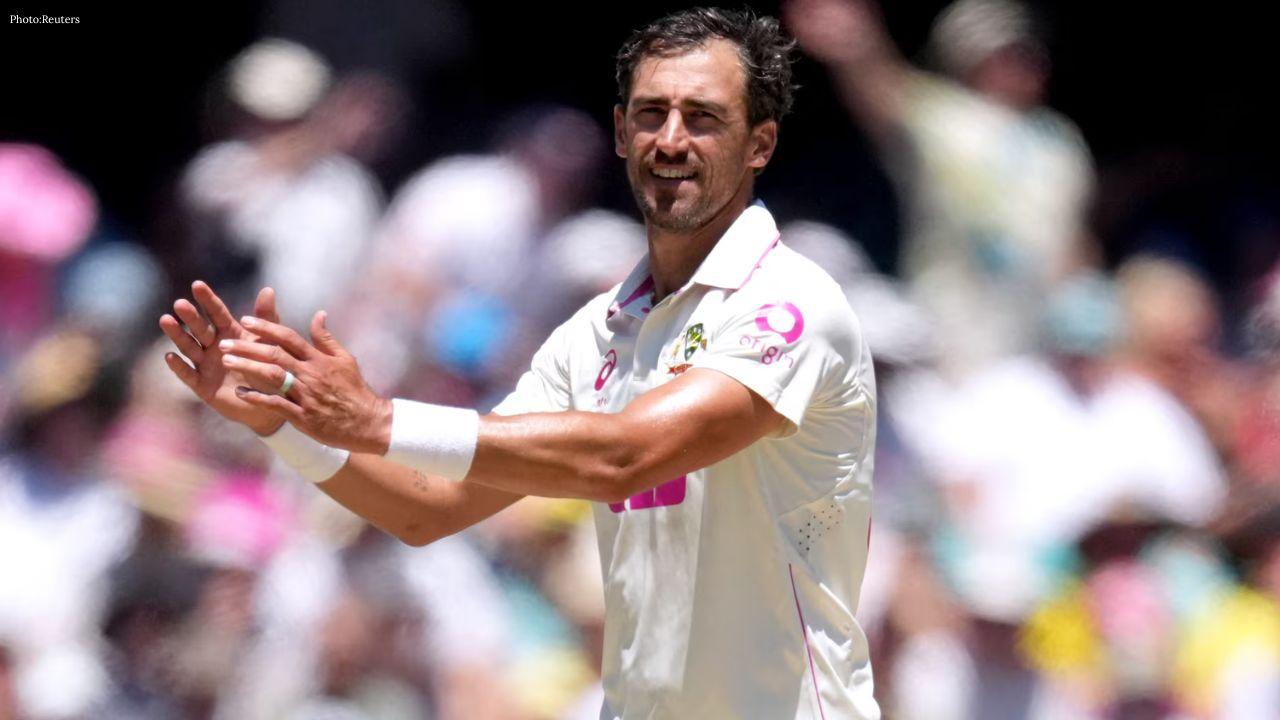
Starc Compares Australia's Tough Year to McIlroy's Major Sweep
Mitchell Starc says Australia winning three away Test series and the World Cup would match Rory McIl

France’s Sesterce Plans $11 Billion AI Data Centre in Finland
Sesterce plans a $11 billion AI data centre in Finland, with major expansion, green energy plans and
Danaher to Launch AI-Powered Autonomous Research Lab in 2027
Danaher plans an AI research lab for 2027, combining robotics and automation to speed up drug discov
Musk Welcomes German Support for Tesla Driver Assistance Tech as EU Approval Push Continues
Elon Musk welcomes Germany's backing for Tesla FSD as the company seeks EU approval amid speed, safe