
You have not yet added any article to your bookmarks!
Join 10k+ people to get notified about new posts, news and tips.
Do not worry we don't spam!
Post by : Saif Rahman
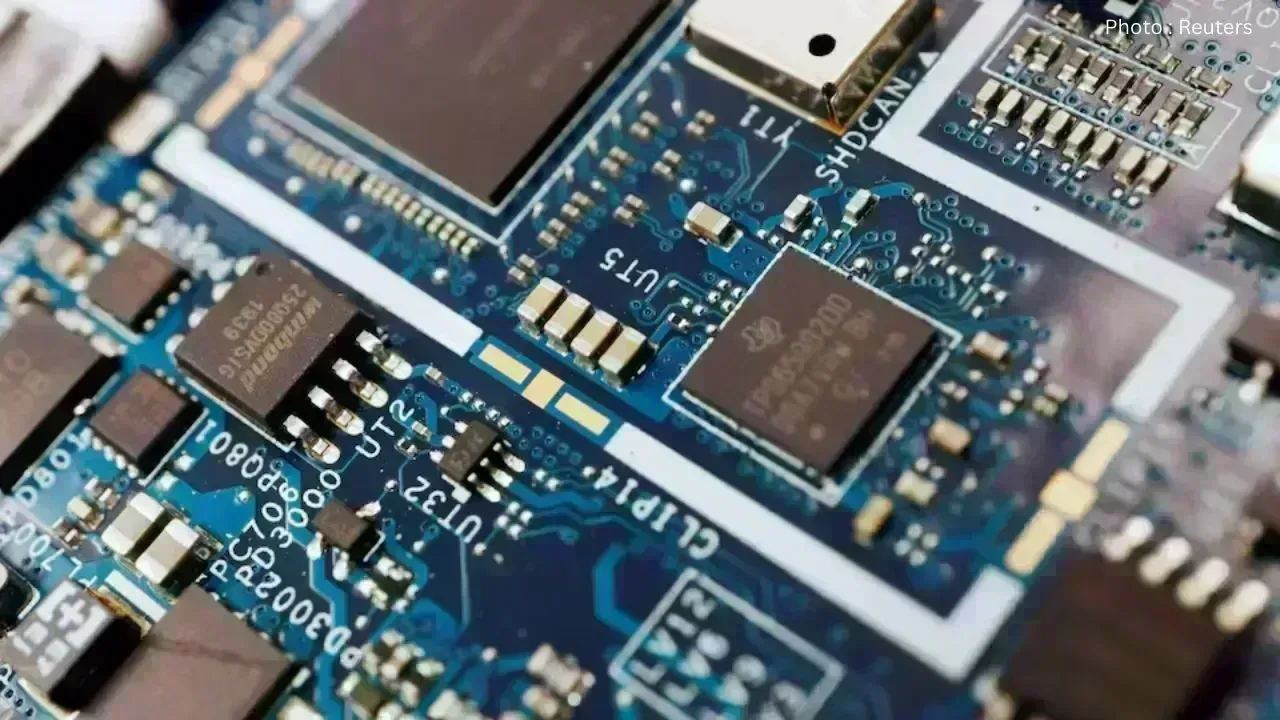
South Korea has announced its intent to closely monitor recent U.S. tariffs on specific artificial intelligence semiconductor chips to minimize any potential adverse effects on its domestic industry. This response follows the U.S. imposing a 25% tariff on advanced AI chips, stirring apprehensions among chip manufacturers globally.
Industry Minister Kim Jung-kwan indicated that the government is vigilant in tracking developments and stands ready to take action as necessary, emphasizing the pivotal role of semiconductors in South Korea's economy and the importance of remaining alert to shifts in global trade policies.
The Ministry of Trade, Industry and Energy confirmed that discussions were held recently with representatives from major South Korean semiconductor firms. The meeting aimed at assessing the potential repercussions of the U.S. decision and strategizing to mitigate future risks.
According to the ministry, companies believe that the immediate impact will be limited, as the U.S. tariffs do not affect chips utilized in American data centers or by startups. Consequently, many Korean businesses foresee their existing engagements with U.S. clients proceeding without significant disruption.
However, industry executives voiced concerns regarding indications from Washington that broader tariffs might be imposed in the future. A document from the White House suggested that President Donald Trump may contemplate extending duties on imported semiconductors and related products to foster increased chip production within the United States.
This potential development could heighten unpredictability for South Korean firms, which are among the world's leading manufacturers of memory chips and advanced semiconductors. Exports are crucial to the nation's economic vitality, and any escalation in tariffs could impact long-term planning and investment strategies.
Officials confirmed that they would maintain close communication with U.S. authorities as well as local companies to swiftly adapt policies and offer support if trade conditions worsen.
The semiconductor sector is already navigating swift changes due to escalating demand for AI technology and intensifying global competition. The latest U.S. tariff announcement poses an additional challenge at a time when companies are heavily investing in innovative technologies.
Currently, South Korea perceives the situation as manageable, though officials have stated that they are prepared for any eventuality to safeguard one of the nation's most vital industries.










PM Modi Pays Tribute to Mahatma Gandhi, Urges People to Support Khadi
PM Modi pays tribute to Mahatma Gandhi on Gandhi Jayanti and urges citizens to support Khadi and the

Amazon Seeks to Offload $8 Billion in Nvidia Chips to Investors
Amazon plans to move $8 billion in Nvidia chips to investors, using a new financing model to strengt

Samsung Raises Galaxy S26 Prices as Memory Chip Costs Rise
Samsung raises Galaxy S26 prices in South Korea as rising memory chip costs put pressure on smartpho

Lewis Hamilton Calls Singapore Grand Prix One of F1's Toughest Races
Lewis Hamilton discusses the demanding Singapore Grand Prix and brings Plus44 and Almave to Singapor

Denmark's Pandora Opens World's Largest Jewellery Factory in Vietnam
Pandora opens its largest jewellery factory in Vietnam, expanding global production, strengthening s

Gautam Gambhir Questions Batting-Friendly Pitches After India's Record ODI Chase
Gautam Gambhir questions batting-friendly ODI pitches after India’s record chase, calling for a bett

