
You have not yet added any article to your bookmarks!
Join 10k+ people to get notified about new posts, news and tips.
Do not worry we don't spam!
Post by : Badri Ariffin
Peru’s early EV adopters once struggled for options, but the landscape has changed dramatically. In 2019, Peruvian green-energy entrepreneur Luis Zwiebach had to fly thousands of miles to test a Tesla—and improvise a “grounding fork” just to charge it. Today, showrooms across Lima are packed with affordable Chinese electric cars, signalling a rapid and visible shift sweeping across South America.
The most remarkable change came after the launch of Peru’s Chinese-built Chancay megaport. With faster trans-Pacific shipping and a surge of new arrivals, Chinese automakers like BYD, Geely, Chery and GWM have gained a firm foothold. Their EVs cost nearly 40% less than premium brands, winning over buyers who previously found electrification out of reach.
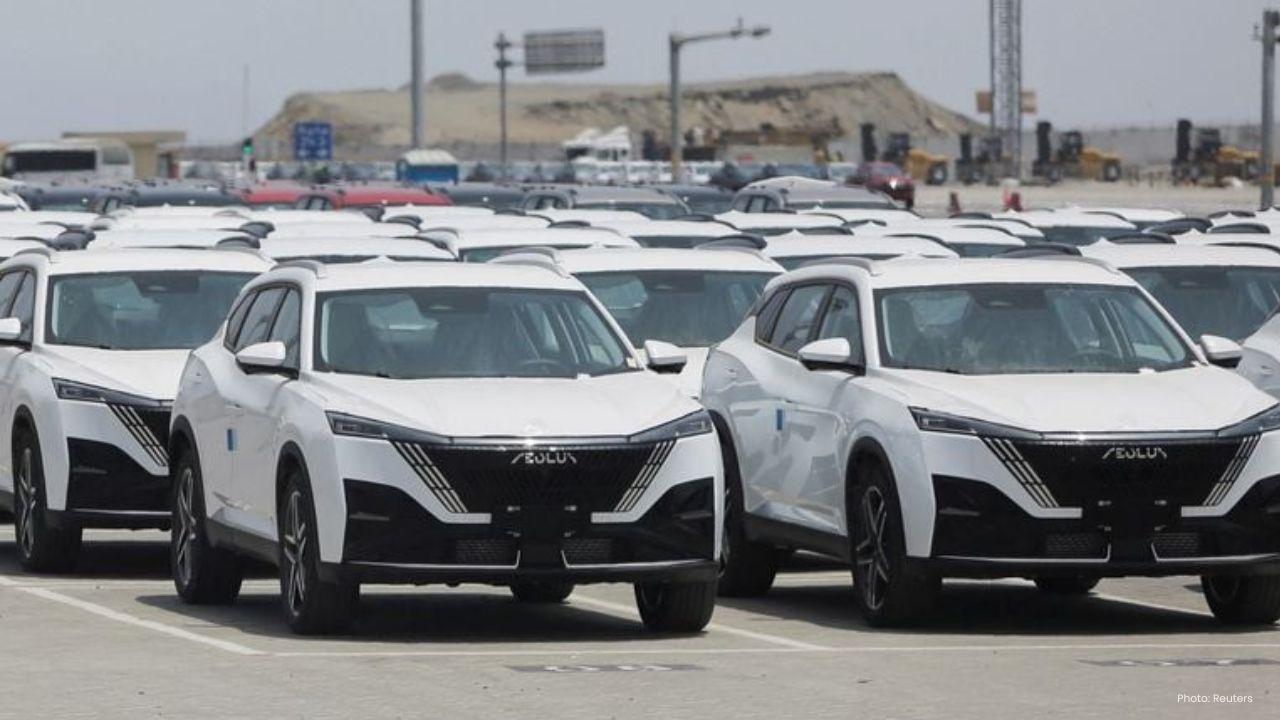
EV momentum is building across the region. In Peru, sales of hybrid and electric vehicles hit 7,256 units in nine months—up 44% year on year. Chinese brands are expanding aggressively, with dozens of showrooms and new models arriving monthly. Rows of imported cars now line the docks at Chancay, with each ship carrying up to 1,200 vehicles. Many continue their journey to Chile, Ecuador and Colombia as Peru evolves into a regional distribution hub.
Across South America, the pattern is similar. Chile’s EV market share climbed above 10% this year, Uruguay reached 28% in the third quarter, and Brazil recorded strong numbers alongside massive import volumes. Uruguay, in particular, has seen Chinese brands double their market presence since 2023, with some models starting at just $19,000—far below traditional competitors.
Brazil, the region’s largest auto market, has become a strategic base. Chinese firms are investing in new factories after a temporary window of low EV tariffs. BYD has begun assembling electric vehicles at a former Ford plant, while GWM has launched operations at a repurposed Mercedes-Benz facility. These sites are expected to export within the next two years, strengthening regional supply routes.
Still, challenges remain. South America’s long distances and uneven charging networks create hesitations for potential buyers. Even Zwiebach, now installing chargers and solar systems for clients in Lima and Arequipa, admits that driving the full length of Peru is still complicated. But the shift is well underway. Lower running costs, expanding infrastructure and an influx of competitively priced Chinese models are pushing the region into a new automotive era—one shipload at a time.










PM Modi Pays Tribute to Mahatma Gandhi, Urges People to Support Khadi
PM Modi pays tribute to Mahatma Gandhi on Gandhi Jayanti and urges citizens to support Khadi and the

Amazon Seeks to Offload $8 Billion in Nvidia Chips to Investors
Amazon plans to move $8 billion in Nvidia chips to investors, using a new financing model to strengt

Samsung Raises Galaxy S26 Prices as Memory Chip Costs Rise
Samsung raises Galaxy S26 prices in South Korea as rising memory chip costs put pressure on smartpho

Lewis Hamilton Calls Singapore Grand Prix One of F1's Toughest Races
Lewis Hamilton discusses the demanding Singapore Grand Prix and brings Plus44 and Almave to Singapor

Denmark's Pandora Opens World's Largest Jewellery Factory in Vietnam
Pandora opens its largest jewellery factory in Vietnam, expanding global production, strengthening s

Gautam Gambhir Questions Batting-Friendly Pitches After India's Record ODI Chase
Gautam Gambhir questions batting-friendly ODI pitches after India’s record chase, calling for a bett

