
You have not yet added any article to your bookmarks!
Join 10k+ people to get notified about new posts, news and tips.
Do not worry we don't spam!
Post by : Shakul
A limited number of international vessels have resumed transit through the strategically vital Strait of Hormuz, signaling a cautious easing of tensions after weeks of disruption caused by regional conflict.
Shipping data shows that several vessels, including Omani-operated tankers, a French-owned container ship, and a Japanese-linked LNG carrier, successfully crossed the narrow waterway in recent days. The movement reflects Iran’s revised policy to allow passage for ships it considers “friendly,” following its earlier blockade.
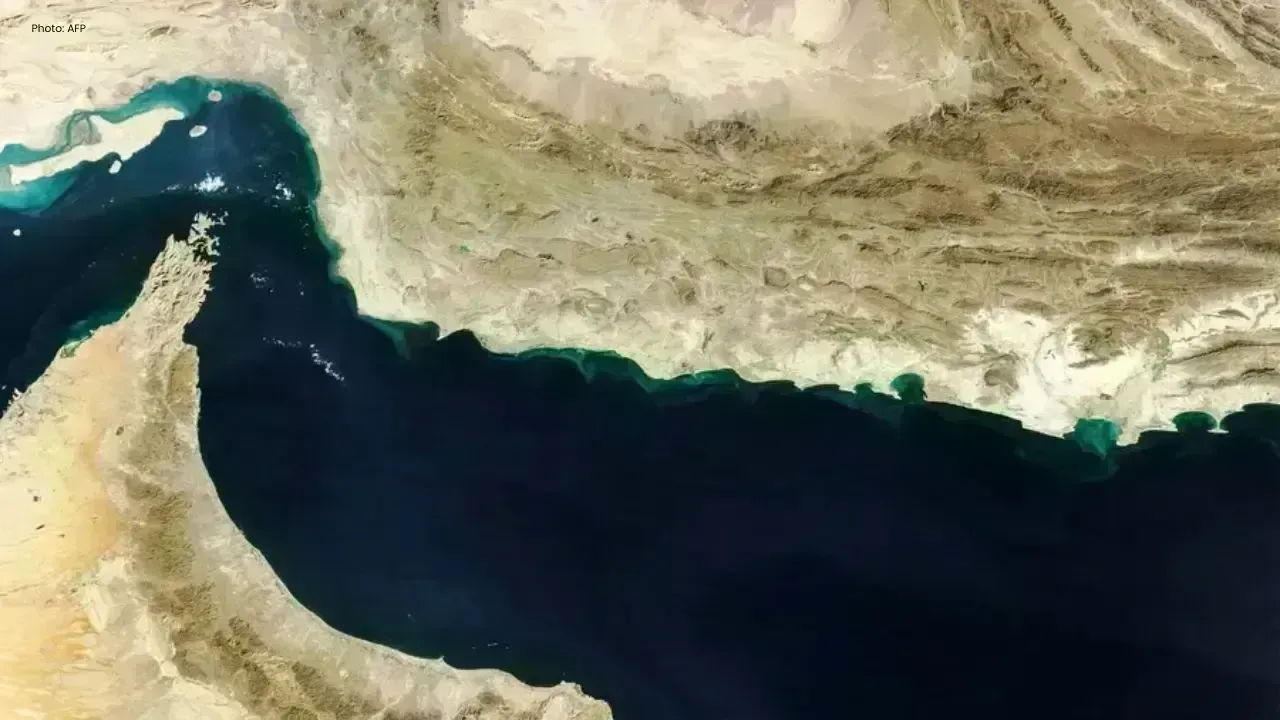
The Strait of Hormuz is one of the world’s most critical energy chokepoints, responsible for nearly 20% of global oil and liquefied natural gas (LNG) flows. Iran had shut down the route after U.S. and Israeli airstrikes on Iranian targets in late February escalated regional tensions and disrupted global energy supply chains.
Recent crossings suggest a selective reopening. A container vessel owned by French shipping giant CMA CGM transited the strait after clearly identifying its nationality, reportedly signaling “Owner France” in its tracking system before entering Iranian waters. The move came as French President Emmanuel Macron emphasized diplomacy as the only viable path to reopening the route.
Similarly, two very large crude carriers and an LNG tanker operated by Oman Shipping Management exited the Gulf, highlighting Oman’s ongoing neutral and mediating role in regional diplomacy. Oman had previously facilitated indirect talks between Iran and the United States and has opposed military escalation.
Japan also saw its first vessel pass through since the crisis began. Mitsui O.S.K. Lines confirmed that its co-owned LNG tanker successfully crossed the strait, marking a significant development for Asian energy supply chains. However, around 40 to 50 Japan-linked ships remain stranded in the region, according to official estimates.
Additional vessels, including LPG carriers and gas tankers flagged under different nations, have also used Iranian territorial waters to navigate out of the Gulf, often signaling neutral or friendly affiliations.
Despite these developments, maritime traffic remains highly unpredictable. Previous attempts at resuming shipping were followed by renewed disruptions, indicating that the situation remains fragile.
Global oil and commodity markets are closely monitoring the strait, as any sustained reopening could ease supply concerns and stabilize prices. However, the continued geopolitical standoff suggests that full normalization of shipping activity may still take time.










PM Modi Pays Tribute to Mahatma Gandhi, Urges People to Support Khadi
PM Modi pays tribute to Mahatma Gandhi on Gandhi Jayanti and urges citizens to support Khadi and the

Amazon Seeks to Offload $8 Billion in Nvidia Chips to Investors
Amazon plans to move $8 billion in Nvidia chips to investors, using a new financing model to strengt

Samsung Raises Galaxy S26 Prices as Memory Chip Costs Rise
Samsung raises Galaxy S26 prices in South Korea as rising memory chip costs put pressure on smartpho

Lewis Hamilton Calls Singapore Grand Prix One of F1's Toughest Races
Lewis Hamilton discusses the demanding Singapore Grand Prix and brings Plus44 and Almave to Singapor

Denmark's Pandora Opens World's Largest Jewellery Factory in Vietnam
Pandora opens its largest jewellery factory in Vietnam, expanding global production, strengthening s

Gautam Gambhir Questions Batting-Friendly Pitches After India's Record ODI Chase
Gautam Gambhir questions batting-friendly ODI pitches after India’s record chase, calling for a bett

