
You have not yet added any article to your bookmarks!
Join 10k+ people to get notified about new posts, news and tips.
Do not worry we don't spam!
Post by : Badri Ariffin
The West’s push to build its own rare earth magnet industry is hitting a formidable obstacle: the scarcity of heavy rare earth elements. While the U.S.-backed MP Materials is making strides in domestic magnet production, vital elements like dysprosium and terbium remain in short supply outside China.
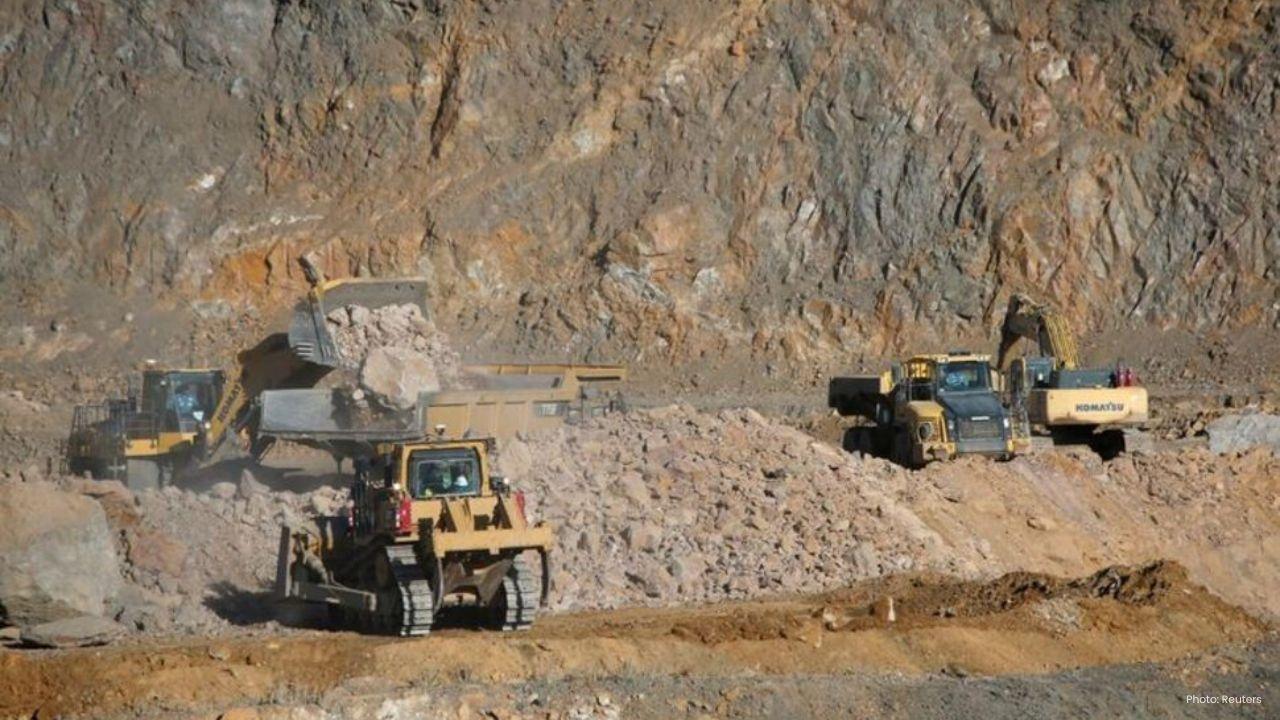
MP Materials, known for its Mountain Pass mine in California, has boosted production of light rare earths by 51% this quarter. Yet, the mine contains only trace amounts of heavy elements, which are critical for magnets that retain strength under high temperatures, such as those used in electric vehicle motors and wind turbines.
To secure these materials, MP and other Western companies are exploring international sources—from Brazil and Malaysia to Africa. Apple has also committed to recycling heavy rare earths through a $500 million supply deal with MP. Despite these efforts, the West is projected to rely on China for 91% of heavy rare earths by 2030, only a modest decline from 99% in 2024.
The high cost and limited availability of heavy rare earths outside China is already reflected in market prices. Dysprosium oxide costs $900 per kg in Rotterdam, more than triple the $255 per kg in China. This scarcity has pushed companies like Germany’s Vacuumschmelze to secure supplies from Canada and Brazil for their U.S. operations.
Even with ambitious new projects, including Lynas Rare Earths’ Malaysian processing plant and Iluka Resources’ Western Australia refinery, heavy rare earth production outside China remains years away from meeting demand. CRU forecasts a global deficit of 2,920 tons of dysprosium and terbium oxides by 2035, underlining the gap between supply and growing industrial needs.
Environmental challenges add another layer of complexity. Extracting heavy rare earths from ionic clay deposits often involves chemical processes that can threaten local ecosystems, while monazite ores contain radioactive elements requiring careful disposal. These factors make scaling production outside China slower and costlier.
While some companies have begun producing magnets with minimal or no heavy rare earths, their applications are limited, particularly in high-performance electric vehicle motors. Without sufficient supplies of dysprosium and terbium, Western magnet production at scale remains a long-term challenge.
The race to reduce dependency on China’s rare earth dominance is on—but for the West, the “heavies” are proving to be the heaviest hurdle yet.










PM Modi Pays Tribute to Mahatma Gandhi, Urges People to Support Khadi
PM Modi pays tribute to Mahatma Gandhi on Gandhi Jayanti and urges citizens to support Khadi and the

Amazon Seeks to Offload $8 Billion in Nvidia Chips to Investors
Amazon plans to move $8 billion in Nvidia chips to investors, using a new financing model to strengt

Samsung Raises Galaxy S26 Prices as Memory Chip Costs Rise
Samsung raises Galaxy S26 prices in South Korea as rising memory chip costs put pressure on smartpho

Lewis Hamilton Calls Singapore Grand Prix One of F1's Toughest Races
Lewis Hamilton discusses the demanding Singapore Grand Prix and brings Plus44 and Almave to Singapor

Denmark's Pandora Opens World's Largest Jewellery Factory in Vietnam
Pandora opens its largest jewellery factory in Vietnam, expanding global production, strengthening s

Gautam Gambhir Questions Batting-Friendly Pitches After India's Record ODI Chase
Gautam Gambhir questions batting-friendly ODI pitches after India’s record chase, calling for a bett

