You have not yet added any article to your bookmarks!
Join 10k+ people to get notified about new posts, news and tips.
Do not worry we don't spam!
Post by : Anis Farhan
The Silk Road was more than a network of dusty trails and bustling marketplaces; it was the heartbeat of early globalization. For centuries, it carried silk, spices, precious stones, and ideas across continents, linking the East and West in a web of economic and cultural exchange. Today, in a world shaped by modern logistics and digital connectivity, the Silk Road’s legacy is making a remarkable comeback — not as a mere historical memory, but as a vibrant force in shaping contemporary trade and diplomacy.
This revival is not accidental. As global economies pivot toward intercontinental partnerships, nations along the old Silk Road are reclaiming their historical identities as trade hubs. Strategic investments, massive infrastructure projects, and cultural initiatives are breathing life into routes once thought lost to time.
In the modern era, infrastructure is the backbone of trade. High-speed rail networks, deep-water ports, and state-of-the-art logistics hubs have transformed countries once considered remote into critical links in global supply chains. Initiatives like China’s Belt and Road project, trans-Eurasian rail corridors, and Central Asian trade routes are making overland transport faster, cheaper, and more reliable.
For example, freight trains now move goods from Xi’an to Duisburg in less than two weeks — a journey that once took months by camel caravans. The revival of these routes doesn’t just enhance trade; it brings economic vitality to towns and cities that historically thrived along the Silk Road, providing jobs, stimulating tourism, and inspiring cross-cultural ventures.
Trade has always been about more than goods; it is a vessel for culture. Just as silk once symbolized the artistry of ancient China and spices told tales of tropical coasts, modern exports carry cultural narratives. Food festivals, art exhibitions, and collaborative projects between nations are deliberately integrated into modern trade agreements.
Cultural diplomacy plays a crucial role here. When a shipment of handicrafts from Uzbekistan is accompanied by an exhibition of traditional dance, or when Kazakhstan exports both oil and nomadic art, trade becomes a platform for soft power. This blending of commerce and culture ensures that the Silk Road revival isn’t just an economic story, but also a human one.
While caravans have been replaced by cargo jets and freight trains, technology is the true game-changer in reviving the Silk Road spirit. Digital trade platforms, blockchain-secured supply chains, and AI-driven logistics are making it possible to move goods across borders with unprecedented efficiency.
E-commerce has given small businesses in Kyrgyzstan, Georgia, or Azerbaijan access to buyers in Europe, Africa, and the Americas. A craftsman weaving traditional carpets can now sell directly to customers thousands of miles away, bypassing middlemen and ensuring that ancient skills remain relevant in a globalized economy.
Modern Silk Road initiatives are also fostering unprecedented levels of political and economic cooperation. Multilateral trade agreements, cross-border investment pacts, and joint infrastructure projects encourage nations to set aside differences in pursuit of shared prosperity.
Countries like Turkey, Iran, Kazakhstan, and Mongolia are positioning themselves as key nodes in this modern network, leveraging both geography and history. By branding themselves as heirs to the Silk Road legacy, these nations gain cultural prestige while attracting investment and tourism.
Of course, this revival is not without challenges. Political tensions, trade disputes, and environmental concerns can disrupt even the most ambitious projects. Overreliance on certain partners, fluctuating commodity prices, and logistical bottlenecks remain significant hurdles.
Sustainability is another pressing issue. Large-scale infrastructure projects risk damaging fragile ecosystems, and increased freight activity can add to carbon emissions. To truly honor the spirit of the Silk Road, modern trade must embrace eco-friendly solutions — from electrified railways to green ports — ensuring that the routes are not only commercially viable but also environmentally responsible.
The Silk Road’s revival is a rare convergence of history, economics, and culture. It represents a recognition that trade is not merely about profit, but about connection — between people, traditions, and ideas. In an age where globalization often feels impersonal, the return of Silk Road traditions offers a more human, storied approach to commerce.
By integrating infrastructure, technology, cultural diplomacy, and sustainability, nations have an opportunity to create a trade network that respects the past while embracing the future. The Silk Road may have started as a series of paths worn into the earth by merchants and travelers, but today it is a high-speed, digitally connected, culturally rich bridge between civilizations.
The information provided in this article is for general informational purposes only. While efforts have been made to ensure accuracy, readers should verify details independently before making business or investment decisions.





Lamborghini Catches Fire on Singapore's ECP, Causing Heavy Traffic
A Lamborghini caught fire on Singapore's ECP, causing heavy traffic and bus delays. No injuries were

Bangkok Airport Duty-Free Area Flooded by Pipe Burst
A burst water pipe flooded the duty-free shopping area at Bangkok's Suvarnabhumi Airport on July 16,

Nine Monks Killed in Thailand Pickup Truck Tragedy
An 11-year-old boy driving a pickup truck crashed into monks during a pilgrimage in northeastern Tha

Anwar Congratulates Xi on CPC's 105th Anniversary
Malaysia reaffirms strong ties with China as PM Anwar Ibrahim sends a congratulatory letter to Presi
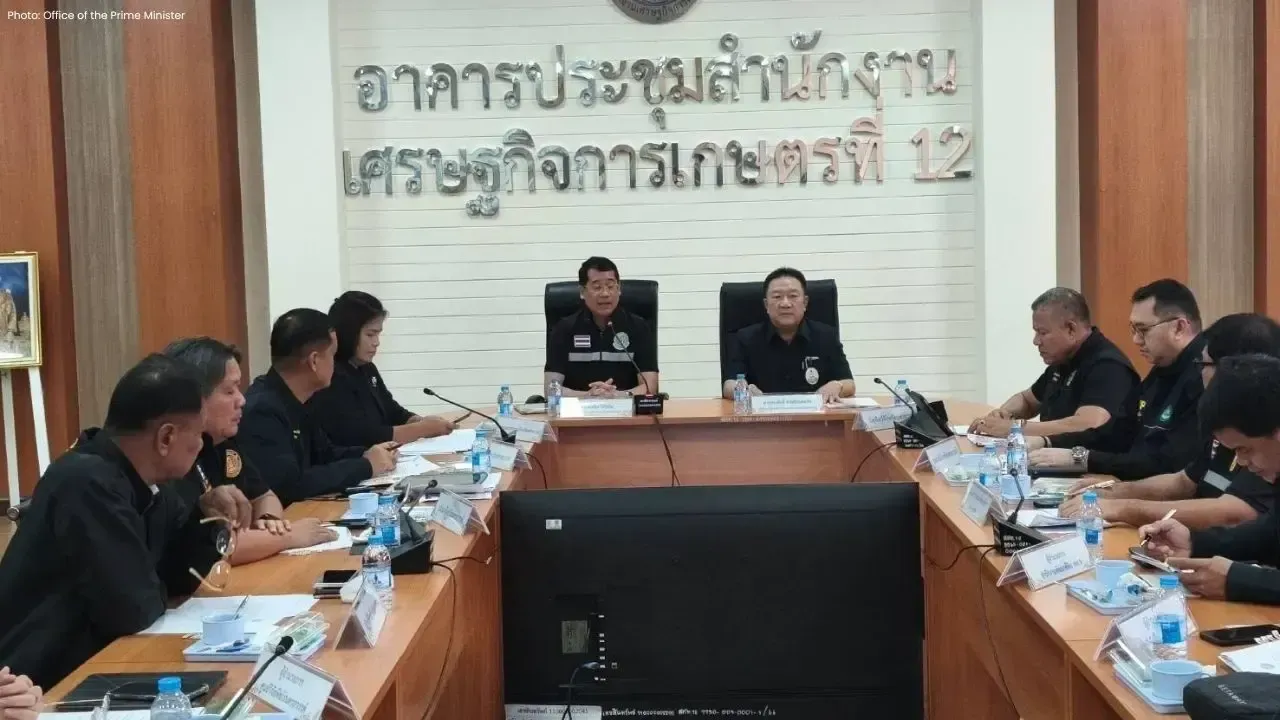
Thai Agriculture Team Reviews 2026 Farm Development Plans
Agriculture Ministry officials inspected livestock and organic rice projects in Nakhon Sawan to moni

Thailand, Canada Boost Ties in PM-Level Phone Talks
Thailand and Canada agreed to strengthen trade, security, OECD cooperation and ASEAN-Canada FTA talk