You have not yet added any article to your bookmarks!
Join 10k+ people to get notified about new posts, news and tips.
Do not worry we don't spam!
Post by : Anis Farhan
Asia’s rapid urbanization has led to an unprecedented rise in waste generation. With growing populations, expanding industries, and increased consumerism, cities across the continent struggle to manage millions of tons of trash daily. Traditional methods of disposal—landfills and open dumping—are no longer sustainable, as they pollute air, soil, and water while contributing to greenhouse gas emissions. Against this backdrop, a transformative idea has gained momentum: turning waste into renewable energy. By converting municipal solid waste into electricity, heat, and fuel, Asian cities are exploring solutions that not only reduce environmental damage but also meet rising energy demands.
According to regional estimates, Asia generates over half of the world’s municipal solid waste. Mega-cities such as Jakarta, Delhi, Manila, and Bangkok produce thousands of tons of garbage every day. Much of this ends up in overflowing landfills, creating health hazards and methane emissions that accelerate climate change.
The problem is compounded by weak waste segregation systems, limited recycling infrastructure, and high dependency on plastic packaging. Without intervention, Asia’s waste crisis risks spiraling out of control. This makes waste-to-energy (WtE) solutions not just innovative but urgent for the region’s sustainability.
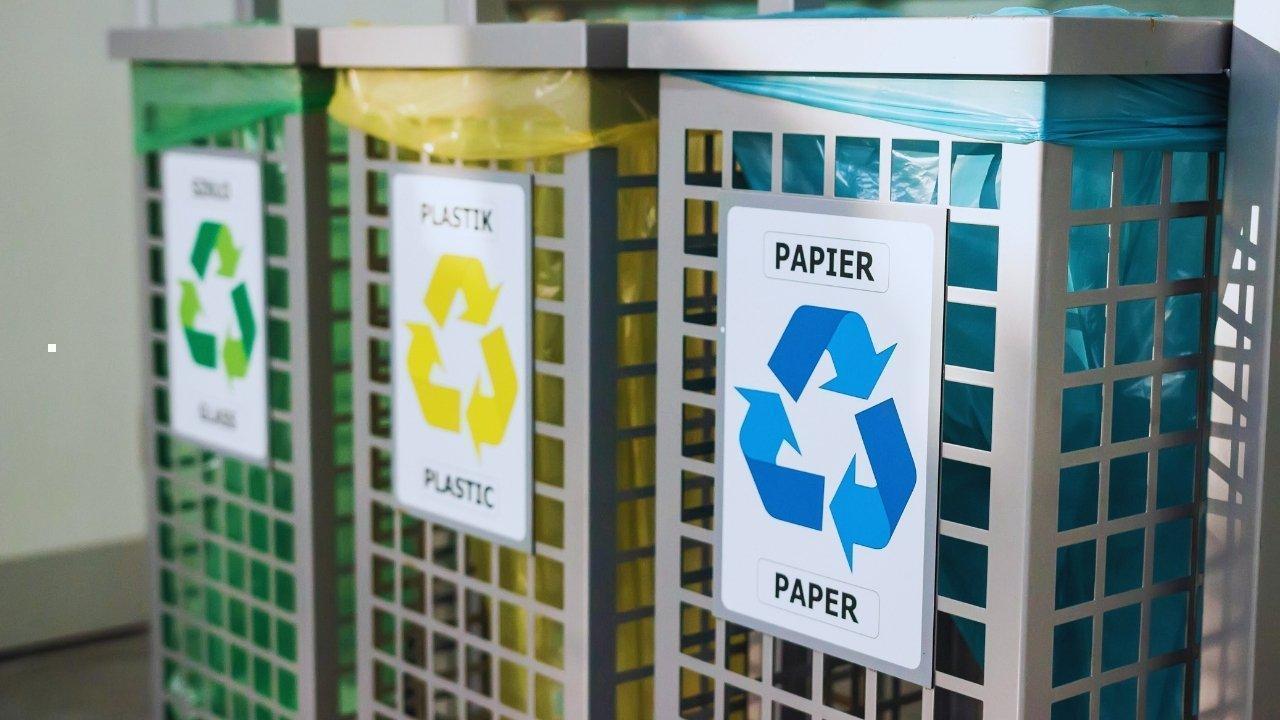
Several methods are being adopted across Asia to convert trash into usable energy:
Incineration with Energy Recovery: Burning waste in controlled facilities generates electricity while reducing landfill volumes.
Anaerobic Digestion: Organic waste is broken down by microbes to produce biogas, which can fuel electricity generation or cooking.
Gasification and Pyrolysis: Advanced thermal technologies convert waste into synthetic gas and bio-oil, offering cleaner alternatives to direct incineration.
Landfill Gas Capture: Even existing dumps can be tapped by capturing methane emissions and using them as fuel.
These technologies not only generate energy but also help reduce the ecological footprint of cities struggling with waste overload.
Several Asian nations have pioneered waste-to-energy initiatives with encouraging results:
Singapore: A global leader in waste-to-energy, Singapore operates four large incineration plants that convert nearly all non-recyclable waste into electricity, significantly reducing landfill use.
China: The world’s largest investor in waste-to-energy plants, China has built hundreds of facilities that process millions of tons of garbage annually, contributing to its renewable energy targets.
India: Cities like Delhi and Hyderabad have introduced waste-to-energy plants that power thousands of homes, although challenges remain with segregation and emissions control.
Japan: Known for its advanced technology, Japan has long used waste-to-energy as part of its urban management, integrating recycling with energy recovery.
These cases demonstrate how cities can turn environmental liabilities into assets through innovation and investment.
Beyond environmental gains, waste-to-energy systems offer economic and social benefits:
Energy Security: By generating electricity from waste, cities reduce dependency on fossil fuels.
Job Creation: From plant operations to waste collection, the sector provides employment opportunities.
Urban Cleanliness: Improved waste management enhances public health and urban aesthetics.
Revenue Generation: Governments can earn from electricity sales while reducing costs of landfill maintenance.
These benefits create a compelling case for expanding waste-to-energy infrastructure across Asia.
Despite progress, waste-to-energy projects in Asia face significant hurdles:
High Capital Costs: Building and maintaining advanced facilities requires large investments, often beyond the budgets of developing cities.
Emission Concerns: Poorly managed incineration plants risk releasing harmful pollutants like dioxins and heavy metals.
Segregation Issues: Without effective waste separation at the source, efficiency of waste-to-energy plants is compromised.
Public Opposition: Communities sometimes resist waste-to-energy plants due to concerns about pollution and land use.
Addressing these challenges requires strong policies, public participation, and international collaboration.
Governments across Asia are introducing policies to promote waste-to-energy adoption:
China offers subsidies and incentives for private companies building WtE plants.
India includes waste-to-energy under its renewable energy programs, with targets for capacity expansion.
Southeast Asian countries are working with international partners like Japan to fund advanced waste management projects.
Regional cooperation through platforms such as ASEAN could further accelerate the adoption of these solutions by sharing best practices and technology.
As energy demands grow and environmental concerns intensify, waste-to-energy is likely to become a central component of Asia’s sustainability agenda. Innovations such as AI-driven waste sorting, blockchain-enabled recycling incentives, and small-scale biogas units for rural areas could further expand the scope of renewable energy from waste.
The ultimate goal is to move towards a circular economy, where waste is not discarded but continuously repurposed, creating a self-sustaining cycle of energy and resource use. For Asia’s urban centers, this future holds promise of cleaner cities, reduced dependence on fossil fuels, and a more sustainable path to growth.
This article is intended for informational purposes only. It reflects current discussions and developments in renewable energy and waste management but does not represent official policy or business advice.




Jordan Burroughs Returns to Wrestling with 2028 Olympic Dream
Jordan Burroughs returns to wrestling with Real American Freestyle as the Olympic champion eyes a po

Lamborghini Catches Fire on Singapore's ECP, Causing Heavy Traffic
A Lamborghini caught fire on Singapore's ECP, causing heavy traffic and bus delays. No injuries were

Bangkok Airport Duty-Free Area Flooded by Pipe Burst
A burst water pipe flooded the duty-free shopping area at Bangkok's Suvarnabhumi Airport on July 16,
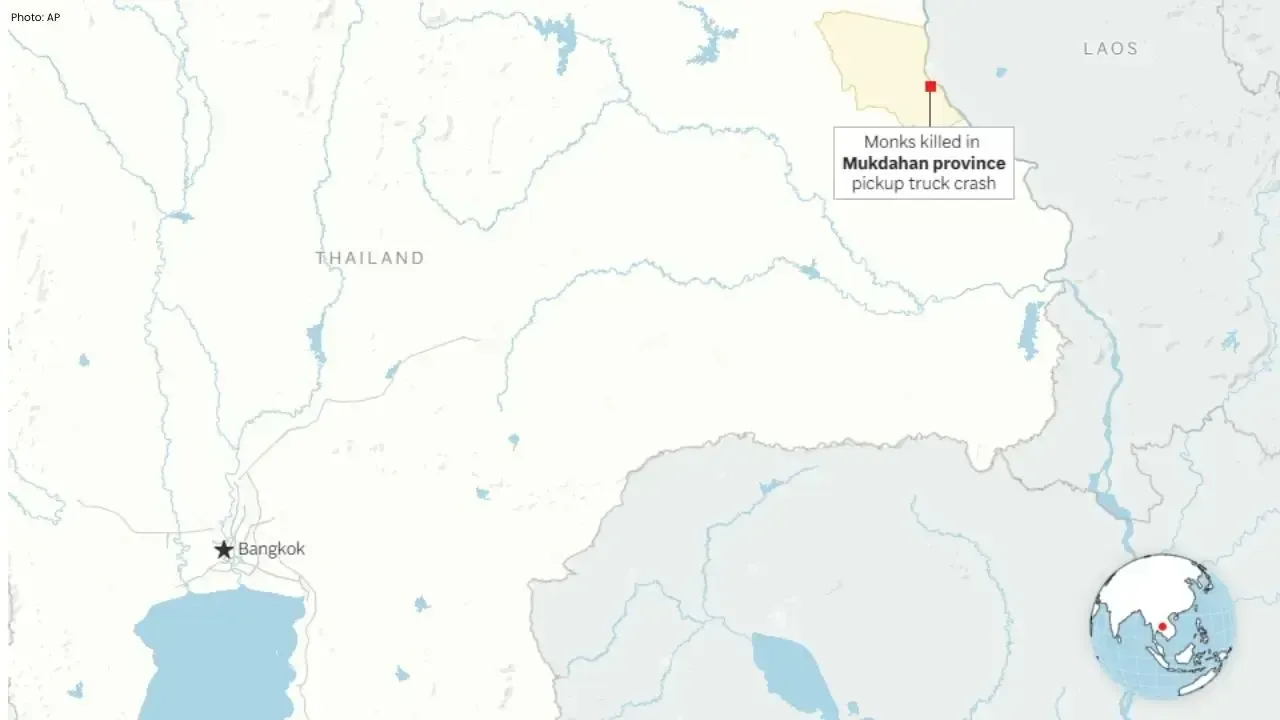
Nine Monks Killed in Thailand Pickup Truck Tragedy
An 11-year-old boy driving a pickup truck crashed into monks during a pilgrimage in northeastern Tha
Anwar Congratulates Xi on CPC's 105th Anniversary
Malaysia reaffirms strong ties with China as PM Anwar Ibrahim sends a congratulatory letter to Presi
Thai Agriculture Team Reviews 2026 Farm Development Plans
Agriculture Ministry officials inspected livestock and organic rice projects in Nakhon Sawan to moni