You have not yet added any article to your bookmarks!
Join 10k+ people to get notified about new posts, news and tips.
Do not worry we don't spam!
Post by : Anis Farhan
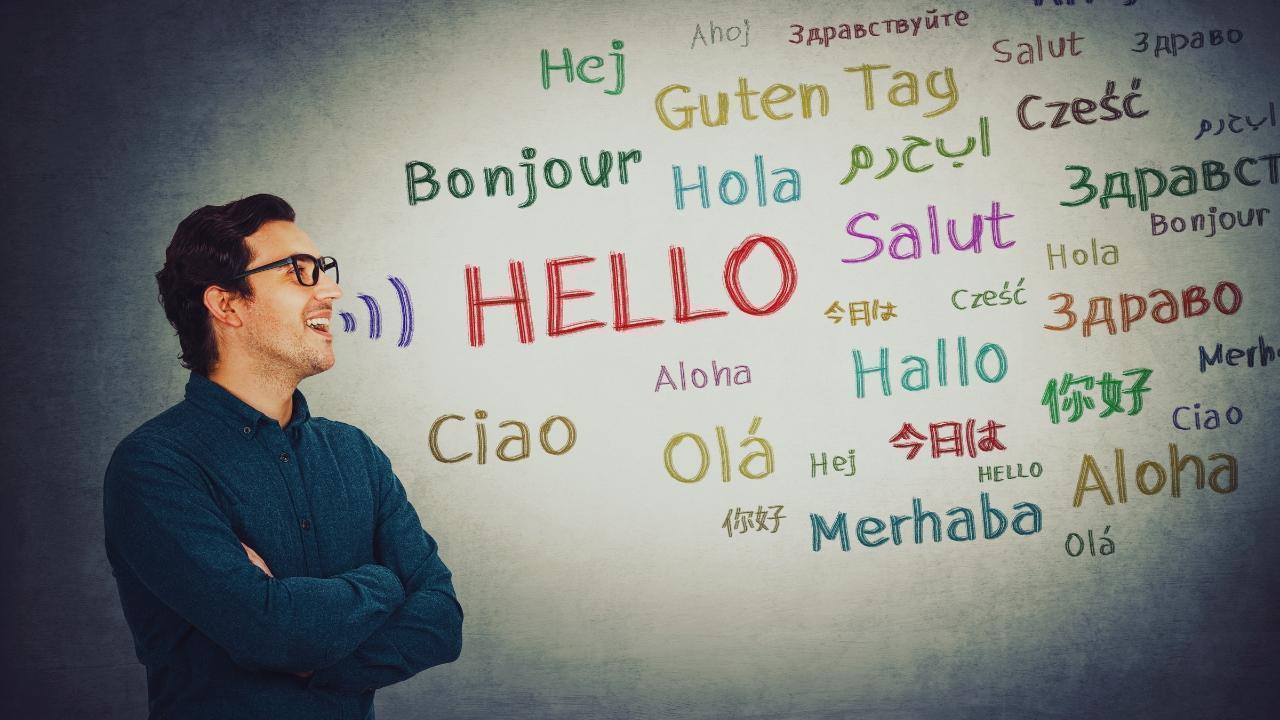
Across bustling cities and quiet villages alike, a linguistic renaissance is quietly unfolding in Asia. It is not driven by scholars or institutions, but by a younger generation rediscovering—and reclaiming—the languages their ancestors spoke. From endangered tribal dialects to forgotten scripts, youth-led movements are breathing new life into heritage languages once deemed obsolete or irrelevant. In an age where English and Mandarin dominate communication, this revival isn’t just about preserving culture—it’s a powerful statement of identity and resistance.
Asia is home to over 2,000 languages—roughly a third of the world’s linguistic diversity. Yet globalization, urbanization, and state-driven policies have led to the erosion of many native tongues. In places like Malaysia, the Philippines, and India, children are often discouraged from speaking minority languages at school or home, seen as barriers to success in a globalized economy.
Technology has accelerated this decline. Youth are more exposed to English, Korean, and Mandarin through digital media, often at the cost of their mother tongues. Many heritage languages face extinction within the next few decades, with UNESCO reporting that nearly 40% of Asian languages are endangered.
But this trend is being challenged—from the grassroots up. Young people across Asia are using the very tools that contributed to language erosion—social media, podcasts, and mobile apps—to bring their heritage languages back to life. In doing so, they’re not only preserving ancestral knowledge but also redefining what it means to be modern, urban, and Asian.
In Indonesia, Gen Z creators on TikTok and YouTube are producing comedy skits and tutorials in local dialects like Sundanese and Javanese. These videos, often sprinkled with memes and internet slang, draw millions of views and encourage other youths to communicate in native tongues.
In Thailand, youth groups have launched community workshops to teach Isan—a regional language spoken by over 20 million but often stigmatized as “backward.” These efforts go hand in hand with advocacy campaigns for educational reform that includes mother-tongue learning.
Technology has become both the challenge and the solution. Mobile applications like “Duolingo,” “Ling,” and locally developed platforms are now offering modules in indigenous languages such as Tagalog, Tamil, and even minority dialects like Hmong and Bodo. These tools are designed by tech-savvy youth who see digital fluency as essential to cultural survival.
Social media has also become a digital archive. Facebook pages, Instagram reels, and X (formerly Twitter) threads are now being used to crowdsource forgotten words, proverbs, and lullabies. Youth are recording oral histories from grandparents, converting them into shareable stories or mini-documentaries.
For many youth, language revival is about more than words. It is a pathway to understanding their identity and ancestral lineage. In multicultural societies where assimilation often means sacrificing cultural uniqueness, speaking a heritage language is a radical act.
In Singapore, where English dominates public and private life, young Malay, Tamil, and Chinese speakers are forming heritage clubs and book circles that prioritize ancestral tongues. Language learning is often paired with traditional cooking, dance, or storytelling sessions, turning cultural preservation into a communal, joyful act.
In the Philippines, a movement called “Buwan ng Wika” (Language Month) has evolved into a year-round campaign by student-led organizations promoting Filipino and regional languages like Waray, Cebuano, and Ilocano through spoken word poetry and indie music.
While youth-led efforts are powerful, systemic support is still lacking in many Asian countries. Heritage languages are often excluded from mainstream education, official signage, or public services. Policies continue to prioritize dominant national or global languages, sidelining linguistic diversity as an academic or folkloric curiosity.
In Malaysia, efforts to promote Iban or Kadazan languages face bureaucratic hurdles. In India, while the constitution recognizes 22 scheduled languages, hundreds of tribal tongues are left unsupported. Government funding often favors preservation in name only—archiving languages without promoting active usage.
The burden of preservation thus falls disproportionately on the youth, especially in marginalized communities with fewer resources.
Language revival in Asia is increasingly becoming intertwined with activism. Youth movements are linking language to land rights, environmental justice, and anti-colonial narratives. In Northeast India, tribal groups use language reclamation as part of a broader struggle against cultural erasure. In Myanmar, ethnic minorities see language survival as tied to autonomy and political recognition.
This form of resistance is peaceful yet powerful. It asserts that culture cannot be flattened into a homogenous identity and that multilingualism is an asset, not a liability.
The heritage language revival movement is still fragile. Its success depends on sustained intergenerational collaboration, policy reform, and access to technology. Yet the signs are hopeful. What was once dismissed as nostalgia is now seen as visionary. These youth aren't just reviving old languages—they are reshaping what Asian identity looks like in the 21st century.
Instead of choosing between global relevance and cultural roots, they are boldly combining both. They speak English in the boardroom, code in Python, and rap in their native tongue on SoundCloud. This fluid multilingualism may well be Asia’s greatest strength in the coming decades.
The content of this article is intended for informational and editorial purposes only. While every effort has been made to ensure the accuracy of the information presented, Newsible Asia does not guarantee the completeness or timeliness of data regarding language movements, community projects, or technological tools. Readers are encouraged to consult local educational or cultural organizations for the most accurate and updated resources. All views expressed are those of the author and do not necessarily reflect the official stance of Newsible Asia or its partners.








Lamborghini Catches Fire on Singapore's ECP, Causing Heavy Traffic
A Lamborghini caught fire on Singapore's ECP, causing heavy traffic and bus delays. No injuries were

Bangkok Airport Duty-Free Area Flooded by Pipe Burst
A burst water pipe flooded the duty-free shopping area at Bangkok's Suvarnabhumi Airport on July 16,
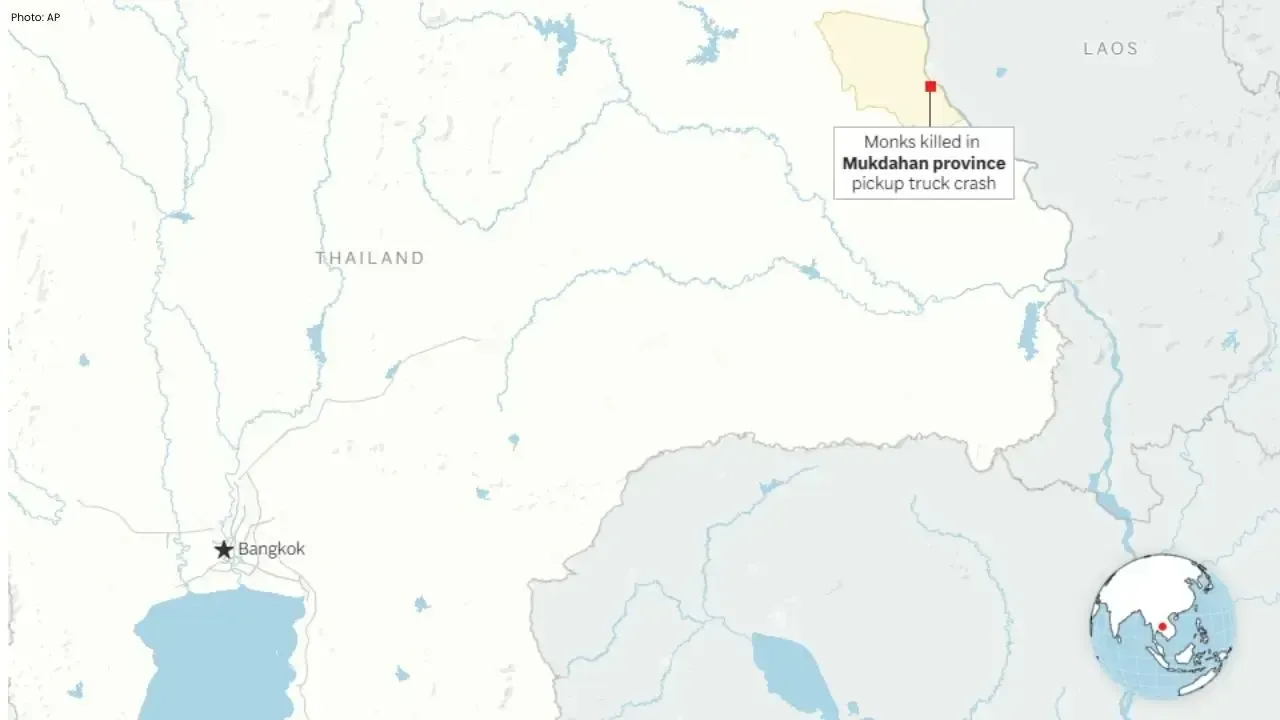
Nine Monks Killed in Thailand Pickup Truck Tragedy
An 11-year-old boy driving a pickup truck crashed into monks during a pilgrimage in northeastern Tha

Anwar Congratulates Xi on CPC's 105th Anniversary
Malaysia reaffirms strong ties with China as PM Anwar Ibrahim sends a congratulatory letter to Presi

Thai Agriculture Team Reviews 2026 Farm Development Plans
Agriculture Ministry officials inspected livestock and organic rice projects in Nakhon Sawan to moni

Thailand, Canada Boost Ties in PM-Level Phone Talks
Thailand and Canada agreed to strengthen trade, security, OECD cooperation and ASEAN-Canada FTA talk