
You have not yet added any article to your bookmarks!
Join 10k+ people to get notified about new posts, news and tips.
Do not worry we don't spam!
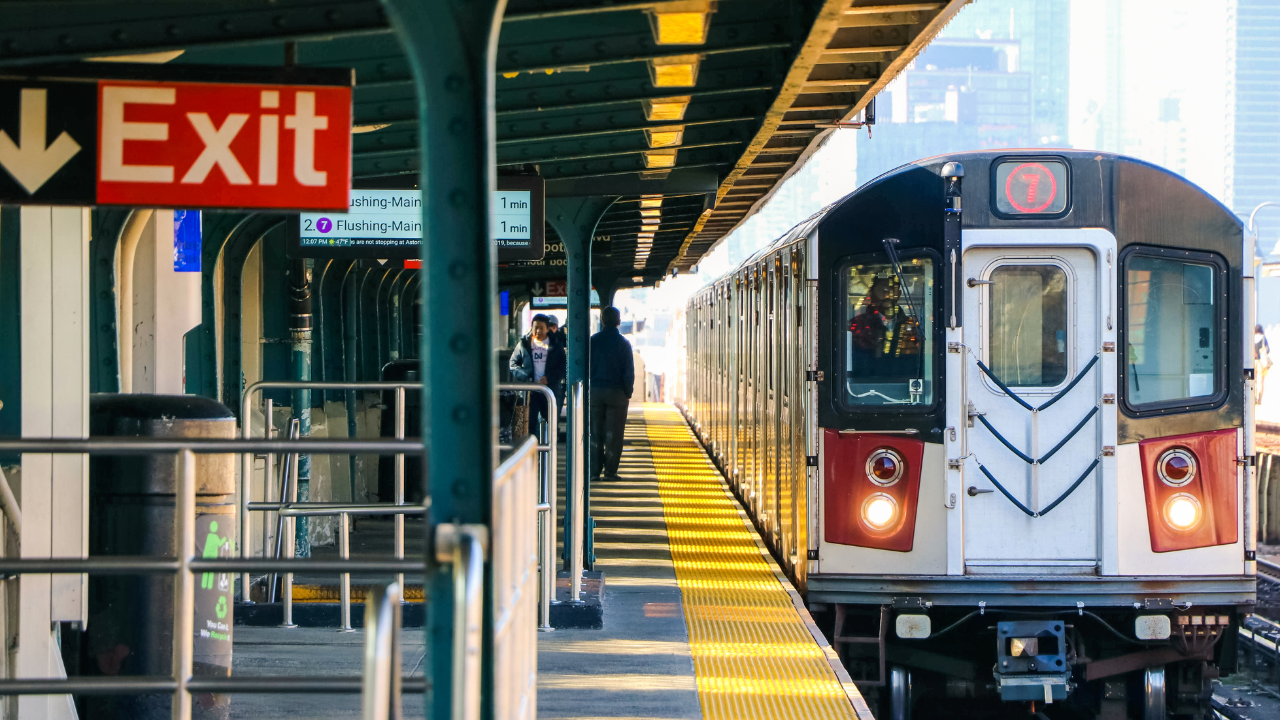
Post by : Samjeet Ariff
Disclaimer: This article aims to provide general travel information. Remember that public transport systems vary widely; always check local transit websites for current routes and fare details.
Traveling through a new city can be exhilarating, but getting lost in subway transfers or missing a bus can be daunting. The good news? Locals have learned some tricks over time. With a little guidance, you too can navigate any city’s public transit like a pro—goodbye to taxis!
Before you embark, download effective apps such as Google Maps, Citymapper, or similar local apps (like Moovit or Transit). These apps provide real-time info on schedules, platform numbers, and even crowd levels. Offline maps can also keep you on track in case internet access is lost.
Many cities provide rechargeable transit cards—like Oyster in London, MetroCard in New York, or Octopus in Hong Kong. These cards save time, money, and the hassle of buying individual tickets. If your stay is brief, consider day or week passes for unlimited travel.
Avoid busy hours (typically 7 AM–9 AM and 5 PM–7 PM) when transport is heavily crowded. If you have to travel during these times, plan accordingly and board from less busy platform areas.
Each city has its own set of unwritten rules for public transit. In Japan, there’s silence on trains, while New Yorkers hustle and avoid blocking doors. Pay attention to the locals—whether they’re offering seats to seniors or lining up neatly—and mirror their behavior.
Transit signs can appear complex at first, but color-coded lines and clear directional arrows simplify navigation. Look for the terminus station name (the final stop on the line) to guide your direction.
If you’re uncertain about where to get off, track your position using GPS or identify key landmarks. In cities like Paris or Delhi, metro stations often reflect nearby attractions—such as “Louvre–Rivoli” or “Rajiv Chowk.”
Some smaller bus services may not accept cards or digital payments, so it’s wise to have local currency in coins or small notes, especially in rural or developing regions.
Keep bags secure, avoid displaying valuables, and stay alert to announcements. Crowded public transport is often a hotspot for pickpockets, so an anti-theft backpack or crossbody bag can be very useful.
Should you get lost, don’t hesitate to ask for assistance. Most locals appreciate friendly inquiries. Using simple English or translation apps can also ease communication.
India’s urban transit options—like the Delhi Metro, Bangalore’s Namma Metro, and Mumbai Local Trains—offer efficient and affordable travel. They blend modern facilities with local flair, providing an authentic experience worth exploring.
Regard public transport as an adventure in itself. It’s the perfect way to grasp a city’s rhythm, connect with locals, and discover hidden gems often overlooked by tourists.










PM Modi Pays Tribute to Mahatma Gandhi, Urges People to Support Khadi
PM Modi pays tribute to Mahatma Gandhi on Gandhi Jayanti and urges citizens to support Khadi and the

Amazon Seeks to Offload $8 Billion in Nvidia Chips to Investors
Amazon plans to move $8 billion in Nvidia chips to investors, using a new financing model to strengt

Samsung Raises Galaxy S26 Prices as Memory Chip Costs Rise
Samsung raises Galaxy S26 prices in South Korea as rising memory chip costs put pressure on smartpho

Lewis Hamilton Calls Singapore Grand Prix One of F1's Toughest Races
Lewis Hamilton discusses the demanding Singapore Grand Prix and brings Plus44 and Almave to Singapor

Denmark's Pandora Opens World's Largest Jewellery Factory in Vietnam
Pandora opens its largest jewellery factory in Vietnam, expanding global production, strengthening s

Gautam Gambhir Questions Batting-Friendly Pitches After India's Record ODI Chase
Gautam Gambhir questions batting-friendly ODI pitches after India’s record chase, calling for a bett

