You have not yet added any article to your bookmarks!
Join 10k+ people to get notified about new posts, news and tips.
Do not worry we don't spam!

Post by : Laxmi Verma
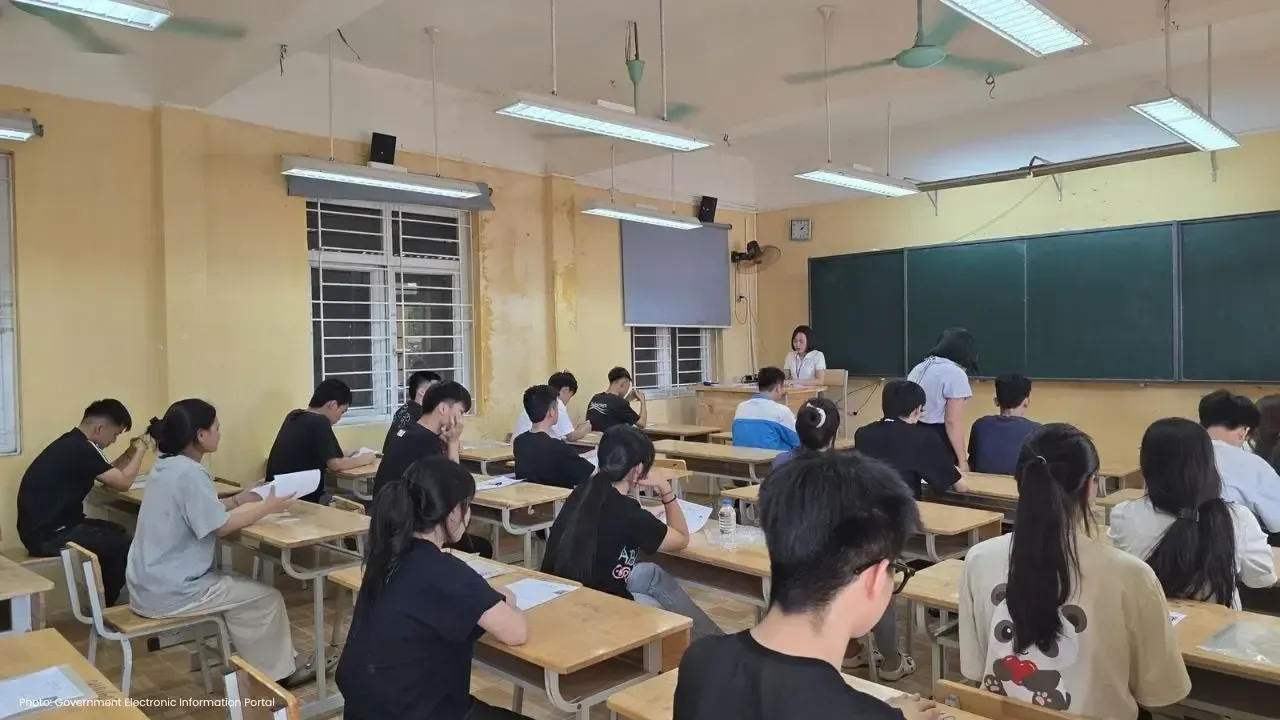
The rapid pace of technological advancement and global changes are reshaping the workforce like never before. Traditional careers are evolving, new industries are emerging, and the demand for a diverse skill set has never been greater. In this dynamic environment, preparing students for jobs of the future is a critical challenge faced by educators, parents, and policymakers alike. Ensuring that young learners are ready to thrive requires more than just academic knowledge—it calls for a holistic approach that fosters adaptability, creativity, and lifelong learning.
Jobs in the future will be profoundly influenced by automation, artificial intelligence, robotics, and digital innovation. Routine, manual tasks are increasingly handled by machines, while jobs requiring critical thinking, emotional intelligence, and complex problem-solving are gaining importance. Moreover, new roles in green energy, data science, cybersecurity, and biotechnology are rapidly expanding sectors that didn’t even exist a decade ago.
Recognizing these trends is the first step in preparing students for jobs of the future. Schools and educators must adapt curricula to include relevant skills and expose students to emerging fields early on.
While technical skills related to STEM (Science, Technology, Engineering, and Math) are fundamental, the future workforce also demands soft skills that machines cannot replicate. Communication, collaboration, creativity, and emotional intelligence are essential for success in any field.
Critical thinking and problem-solving enable students to navigate complex challenges and innovate solutions. At the same time, adaptability and resilience prepare learners to manage change and uncertainty, which are constants in the modern workplace.
Integrating these skills into education means moving beyond rote memorization and encouraging project-based learning, teamwork, and real-world problem solving. This approach better equips students to handle the multifaceted demands of future careers.
Technology itself is both a disruptor and an enabler in preparing students for future jobs. Incorporating digital tools and platforms into education provides hands-on experience with the technologies shaping tomorrow’s workplace.
Coding, robotics, virtual reality, and data analysis can be introduced at various education levels to build familiarity and confidence. Additionally, teaching digital literacy and cybersecurity awareness ensures students understand the ethical and practical implications of technology use.
The use of artificial intelligence in personalized learning can help tailor education to individual student needs, fostering better engagement and skill acquisition. Schools embracing technology prepare students not just to use future tools but to create and improve them.
One of the most critical aspects of preparing students for jobs of the future is fostering a mindset of lifelong learning. The half-life of skills—the time before a skill becomes outdated—is shrinking, meaning continuous education is necessary throughout one’s career.
Encouraging curiosity, self-motivation, and a passion for learning sets students up to adapt and grow professionally no matter how the job market changes. Providing access to online courses, workshops, and mentorship opportunities can support this ongoing development.
When students learn to view education as a continuous journey rather than a finite goal, they become more agile and competitive in the workforce.
Teachers and parents play a pivotal role in preparing students for the future. Educators need ongoing training to stay current with technological advancements and pedagogical methods that emphasize skills over content alone.
Parental involvement in nurturing curiosity, encouraging exploration, and supporting extracurricular activities can reinforce these efforts. Together, schools and families create an environment where students are inspired to dream big and equipped with the tools to achieve those dreams.
Many students have limited knowledge of the diverse career opportunities available to them, especially in emerging industries. Career counseling, internships, and exposure to real-world work environments can bridge this gap.
By connecting classroom learning with practical experiences, students can better understand their interests, strengths, and the skills required for specific professions. This clarity helps them make informed decisions about their education and career paths.
The rapid pace of technological advancement and global changes are reshaping the workforce like never before. Traditional careers are evolving, new industries are emerging, and the demand for a diverse skill set has never been greater. In this dynamic environment, preparing students for jobs of the future is a critical challenge faced by educators, parents, and policymakers alike. Ensuring that young learners are ready to thrive requires more than just academic knowledge—it calls for a holistic approach that fosters adaptability, creativity, and lifelong learning.
Jobs in the future will be profoundly influenced by automation, artificial intelligence, robotics, and digital innovation. Routine, manual tasks are increasingly handled by machines, while jobs requiring critical thinking, emotional intelligence, and complex problem-solving are gaining importance. Moreover, new roles in green energy, data science, cybersecurity, and biotechnology are rapidly expanding sectors that didn’t even exist a decade ago.
Recognizing these trends is the first step in preparing students for jobs of the future. Schools and educators must adapt curricula to include relevant skills and expose students to emerging fields early on.
While technical skills related to STEM (Science, Technology, Engineering, and Math) are fundamental, the future workforce also demands soft skills that machines cannot replicate. Communication, collaboration, creativity, and emotional intelligence are essential for success in any field.
Critical thinking and problem-solving enable students to navigate complex challenges and innovate solutions. At the same time, adaptability and resilience prepare learners to manage change and uncertainty, which are constants in the modern workplace.
Integrating these skills into education means moving beyond rote memorization and encouraging project-based learning, teamwork, and real-world problem solving. This approach better equips students to handle the multifaceted demands of future careers.
Technology itself is both a disruptor and an enabler in preparing students for future jobs. Incorporating digital tools and platforms into education provides hands-on experience with the technologies shaping tomorrow’s workplace.
Coding, robotics, virtual reality, and data analysis can be introduced at various education levels to build familiarity and confidence. Additionally, teaching digital literacy and cybersecurity awareness ensures students understand the ethical and practical implications of technology use.
The use of artificial intelligence in personalized learning can help tailor education to individual student needs, fostering better engagement and skill acquisition. Schools embracing technology prepare students not just to use future tools but to create and improve them.
One of the most critical aspects of preparing students for jobs of the future is fostering a mindset of lifelong learning. The half-life of skills—the time before a skill becomes outdated—is shrinking, meaning continuous education is necessary throughout one’s career.
Encouraging curiosity, self-motivation, and a passion for learning sets students up to adapt and grow professionally no matter how the job market changes. Providing access to online courses, workshops, and mentorship opportunities can support this ongoing development.
When students learn to view education as a continuous journey rather than a finite goal, they become more agile and competitive in the workforce.
Teachers and parents play a pivotal role in preparing students for the future. Educators need ongoing training to stay current with technological advancements and pedagogical methods that emphasize skills over content alone.
Parental involvement in nurturing curiosity, encouraging exploration, and supporting extracurricular activities can reinforce these efforts. Together, schools and families create an environment where students are inspired to dream big and equipped with the tools to achieve those dreams.
Many students have limited knowledge of the diverse career opportunities available to them, especially in emerging industries. Career counseling, internships, and exposure to real-world work environments can bridge this gap.
By connecting classroom learning with practical experiences, students can better understand their interests, strengths, and the skills required for specific professions. This clarity helps them make informed decisions about their education and career paths.
The information provided in this article, "Preparing Students for Jobs of the Future," is intended for general educational purposes only. While efforts have been made to ensure accuracy, readers should consider local educational policies and consult with professionals for personalized guidance. The author and publisher are not responsible for any outcomes resulting from the application of the information provided.






Lamborghini Catches Fire on Singapore's ECP, Causing Heavy Traffic
A Lamborghini caught fire on Singapore's ECP, causing heavy traffic and bus delays. No injuries were

Bangkok Airport Duty-Free Area Flooded by Pipe Burst
A burst water pipe flooded the duty-free shopping area at Bangkok's Suvarnabhumi Airport on July 16,

Nine Monks Killed in Thailand Pickup Truck Tragedy
An 11-year-old boy driving a pickup truck crashed into monks during a pilgrimage in northeastern Tha

Anwar Congratulates Xi on CPC's 105th Anniversary
Malaysia reaffirms strong ties with China as PM Anwar Ibrahim sends a congratulatory letter to Presi

Thai Agriculture Team Reviews 2026 Farm Development Plans
Agriculture Ministry officials inspected livestock and organic rice projects in Nakhon Sawan to moni

Thailand, Canada Boost Ties in PM-Level Phone Talks
Thailand and Canada agreed to strengthen trade, security, OECD cooperation and ASEAN-Canada FTA talk