
You have not yet added any article to your bookmarks!
Join 10k+ people to get notified about new posts, news and tips.
Do not worry we don't spam!
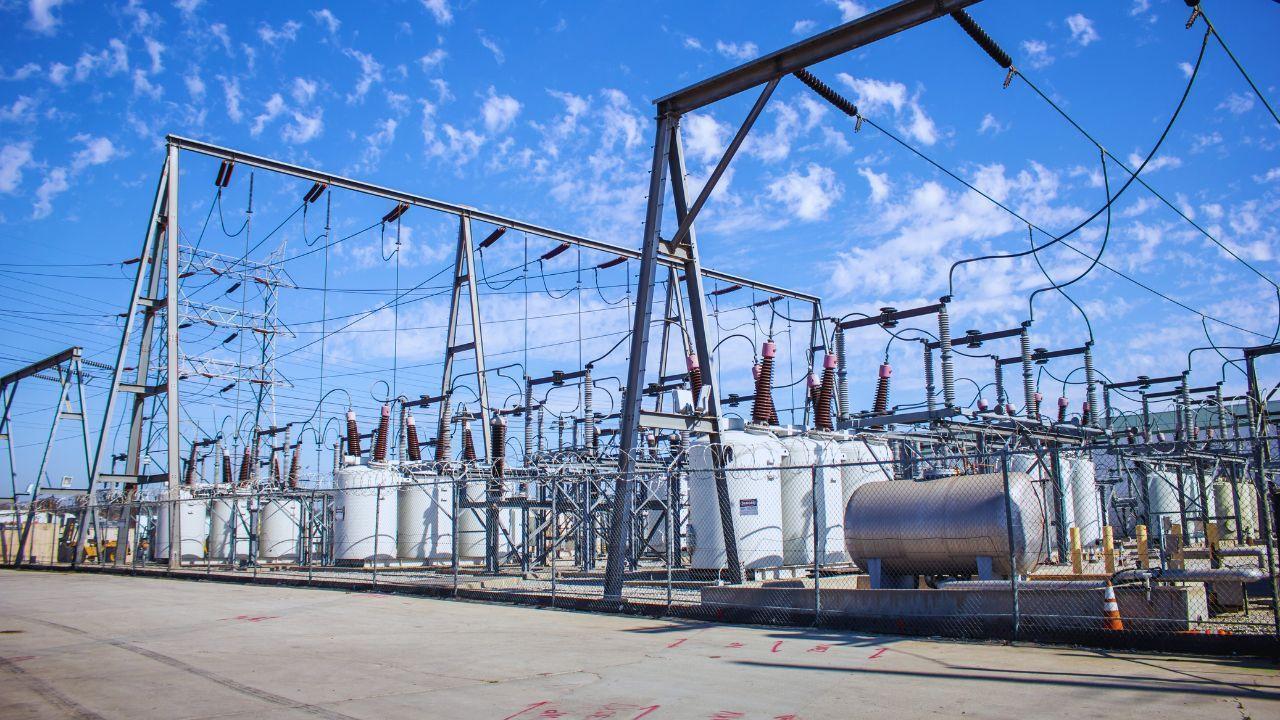
Post by : Anis Farhan
The summer of 2025 has turned into a stress test for power grids across the world. From the United States and Europe to Asia and the Middle East, record-breaking heatwaves are pushing electricity demand to new highs. As people crank up air conditioners and industries try to keep operations running, power grids—many of them built decades ago—are struggling to cope. This situation has sparked widespread blackouts, equipment failures, and fresh debates about the future of energy resilience.
Extreme heat places a double burden on electricity systems. First, demand for power surges as homes, offices, hospitals, and factories require more energy for cooling. At the same time, heat physically stresses power plants, transformers, and transmission lines. Many fossil-fuel plants operate less efficiently at higher temperatures. Meanwhile, solar and wind output can also suffer if conditions become too extreme.
In California, grid operators have issued repeated emergency alerts as usage threatens to exceed capacity. In Europe, countries like Spain, France, and Italy have reported localized outages as infrastructure struggles under sustained high temperatures. India, too, has seen states like Delhi and Uttar Pradesh face severe load-shedding, leaving millions without power for hours on end.
Experts point out that much of the world’s grid infrastructure was not designed with today’s climate in mind. Transmission lines sag in heat, increasing the risk of faults. Aging transformers can overheat and fail, as seen recently in parts of Texas and Turkey. Hydropower reservoirs have shrunk in regions facing drought, limiting supply just when demand peaks.
Energy analysts also highlight that grids in many countries are struggling to integrate renewable energy at the pace needed. While clean power offers solutions, grids must be modernized to manage variable generation from solar and wind—something that’s still a work in progress in both developed and developing economies.
Power outages during heatwaves aren’t just an inconvenience—they pose serious risks. Hospitals depend on electricity for cooling critical wards and running life-saving equipment. Small businesses suffer losses when machinery can’t operate. In some regions, entire communities are left vulnerable, as high indoor temperatures increase the risk of heatstroke, especially for the elderly, infants, and people with health conditions.
According to preliminary estimates, the economic impact of heat-related power disruptions in the first half of 2025 alone could cross $10 billion globally. From spoiling perishable goods to halting manufacturing lines, the ripple effects are significant.
The crisis has spurred urgent action in several regions. California and Texas are fast-tracking grid upgrades and offering incentives for consumers to reduce usage during peak hours. In India, authorities have launched special drives to maintain transformers and prevent failures. European nations are exploring cross-border electricity sharing agreements to balance loads during heat emergencies.
Some cities are turning to innovative solutions. In Tokyo, smart grid technologies are helping redistribute power more efficiently. In Dubai, district cooling systems are reducing strain on traditional grids. Meanwhile, investment in battery storage and microgrids is gaining momentum, as countries aim to build systems that can withstand extreme weather.
There is growing consensus among energy experts that the current situation is just a preview of what’s to come. Climate models predict more frequent and intense heatwaves in the years ahead. To avoid widespread failures, countries must:
Modernize grid infrastructure with heat-tolerant materials and designs
Accelerate the deployment of smart grids that can dynamically adjust to demand
Expand battery storage and other backup systems
Strengthen regional and international energy cooperation
Invest in demand-side solutions like energy efficiency and passive cooling
The heatwaves of 2025 have laid bare the vulnerabilities in global power systems. They are a reminder that as we work toward a cleaner, greener energy future, resilience must be at the heart of the transformation. Power grids need to evolve—not just to reduce carbon emissions—but to survive and thrive in a hotter, more unpredictable world.
This article has been prepared for informational and editorial purposes only by Newsible Asia. It is based on publicly available reports and expert commentary as of July 2025. The situation is evolving, and details may change.










PM Modi Pays Tribute to Mahatma Gandhi, Urges People to Support Khadi
PM Modi pays tribute to Mahatma Gandhi on Gandhi Jayanti and urges citizens to support Khadi and the

Amazon Seeks to Offload $8 Billion in Nvidia Chips to Investors
Amazon plans to move $8 billion in Nvidia chips to investors, using a new financing model to strengt

Samsung Raises Galaxy S26 Prices as Memory Chip Costs Rise
Samsung raises Galaxy S26 prices in South Korea as rising memory chip costs put pressure on smartpho

Lewis Hamilton Calls Singapore Grand Prix One of F1's Toughest Races
Lewis Hamilton discusses the demanding Singapore Grand Prix and brings Plus44 and Almave to Singapor

Denmark's Pandora Opens World's Largest Jewellery Factory in Vietnam
Pandora opens its largest jewellery factory in Vietnam, expanding global production, strengthening s

Gautam Gambhir Questions Batting-Friendly Pitches After India's Record ODI Chase
Gautam Gambhir questions batting-friendly ODI pitches after India’s record chase, calling for a bett

