You have not yet added any article to your bookmarks!
Join 10k+ people to get notified about new posts, news and tips.
Do not worry we don't spam!
Post by : Anis Farhan
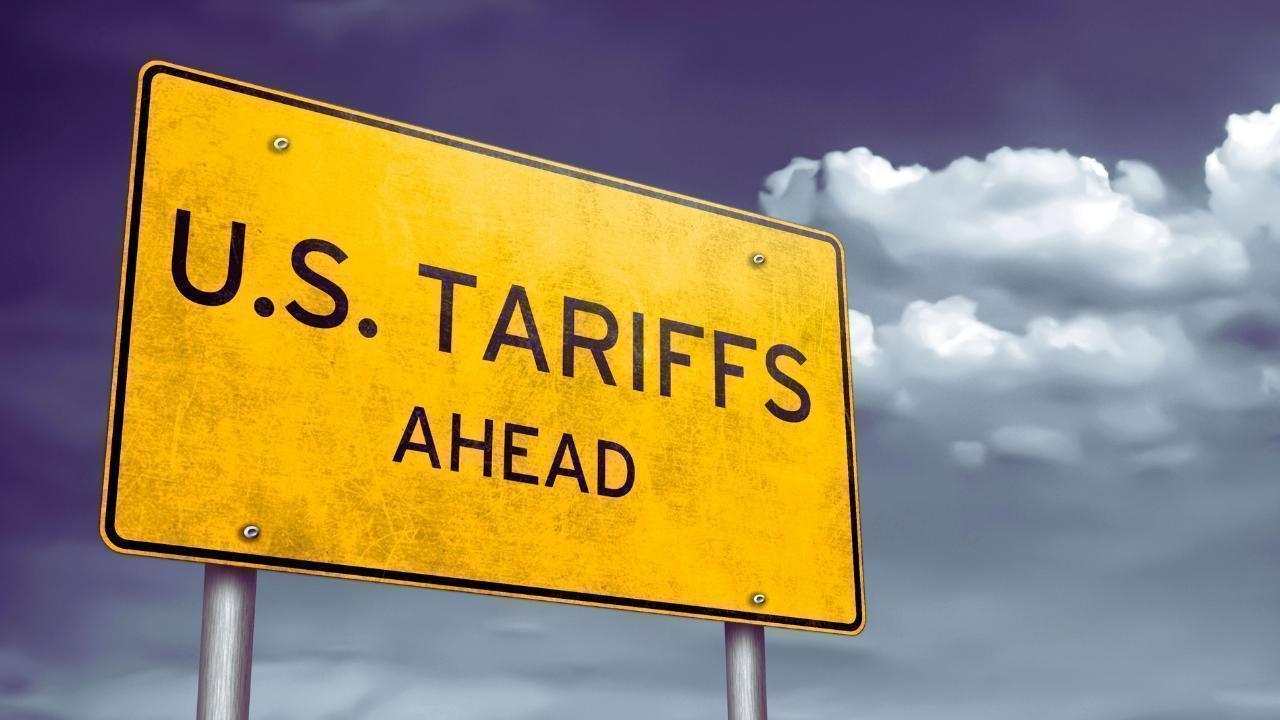
Just a few years ago, the global economy was locked in a cycle of tit-for-tat tariffs, trade disputes, and protectionist policies. Containers full of goods sat idle at ports, waiting for clearance or rerouting. Companies held back on expansion plans, uncertain whether new trade restrictions would wipe out their profit margins. Today, much of that tension has eased. A series of international agreements and diplomatic breakthroughs has dismantled some of the most punishing tariffs, signaling the start of a “post-tariff” era.
For businesses in Asia, this change is monumental. Lower duties mean easier access to global markets, faster turnaround on exports, and a stronger incentive to scale operations. Yet, the removal of tariffs is not a universal blessing. Some companies—especially those previously shielded from cheaper imports by trade barriers—are now facing stiffer competition. In this new era, opportunity and risk sit side by side.
In Southeast Asia, factories are roaring back to life. Vietnam’s garment sector, which had faced double-digit tariffs in key markets, is now shipping at record volumes. Electronics producers in Malaysia and Taiwan are expanding production lines to meet revived demand from Europe and North America. India’s auto parts industry, long hampered by trade restrictions in foreign markets, is seeing a surge in overseas orders.
One of the biggest beneficiaries has been the technology sector. Semiconductors, consumer electronics, and renewable energy components from Asian hubs are moving faster through global supply chains, helping to close revenue gaps created during the tariff-heavy years. Logistics companies in Singapore and Hong Kong are also reaping the rewards, with port activity and freight bookings climbing steadily.
However, this growth is uneven. Not all industries have the infrastructure or capital to scale up production immediately. Smaller manufacturers often lack the financial resilience to ramp up output quickly enough to seize the moment. In such cases, opportunities risk slipping away to faster-moving competitors.
While exporters of high-demand goods are thriving, other sectors are struggling to adapt. Agricultural producers in parts of South Asia are facing price competition from foreign imports, now cheaper due to lower duties. For example, rice exporters in some regions have lost ground to more cost-competitive suppliers.
Domestic textile industries in certain countries are also feeling the pressure as cheaper garments flood their local markets. Without the protective buffer of tariffs, they must either innovate, improve efficiency, or risk being priced out entirely.
In the automotive sector, while parts manufacturers benefit, some domestic carmakers face a tougher fight. Lower tariffs mean more imported vehicles competing with locally assembled ones—forcing companies to reconsider their market strategies, focus on quality improvements, and look for niche segments.
The post-tariff environment hasn’t simply restored the pre-trade-war supply chain. Instead, it has redefined it. During the years of heavy tariffs, many companies relocated parts of their supply chains to avoid the impact of duties. This diversification is proving beneficial even now.
Instead of reverting to single-source models, businesses are keeping multiple supply hubs active—Vietnam, Malaysia, and India for electronics; Thailand and Indonesia for automotive components; and Bangladesh for textiles. This strategic spread reduces vulnerability to future disruptions, whether they stem from trade disputes, natural disasters, or geopolitical tensions.
Ports in Asia’s major logistics hubs are operating at high capacity. Digital tracking, automation, and AI-driven logistics planning are becoming standard, allowing goods to move more efficiently and predictably. The “just in time” model, which faltered during the pandemic and tariff years, is giving way to “just in case” approaches—where slightly higher inventory levels act as a buffer against future shocks.
Governments and regional bodies in Asia are not leaving the transition to market forces alone. ASEAN has intensified its push for internal trade liberalization, hoping to strengthen the bloc’s collective bargaining power. Japan and South Korea are negotiating deeper trade and technology partnerships with Southeast Asian economies. India is revisiting agreements under its “Act East” policy to secure stronger ties with East Asian partners.
Investment in infrastructure is also being fast-tracked. Industrial parks, port expansions, and special economic zones are getting government backing to attract foreign investment. The goal is clear: make Asia the undisputed global hub for both manufacturing and high-tech innovation in a post-tariff economy.
Educational programs are being updated to prepare a workforce skilled not only in production but in logistics management, quality assurance, and international trade compliance.
Winners:
Technology & Electronics: From semiconductors to solar panels, lower tariffs mean higher export volumes and faster innovation cycles.
Logistics & Shipping: More goods moving means higher revenues for freight companies, ports, and related services.
Pharmaceuticals: Easier global distribution of medicines and medical devices, especially from hubs in India and Singapore.
Losers:
Agriculture in Certain Regions: Lower prices on imports threaten local farmers who lack scale or efficiency.
Low-Cost Manufacturing in Protected Markets: Facing increased competition from more cost-effective exporters.
Small Domestic Brands: Struggling to compete with established international players entering their home markets more easily.
This divide shows that a post-tariff world is not a universal win—it’s a strategic game that rewards adaptability.
For consumers across Asia, the immediate effects are mostly positive. Imported goods are cheaper, product variety is wider, and delivery timelines are shorter thanks to streamlined logistics. From electronics and fashion to gourmet foods, the market has never been more diverse.
However, consumers in some local markets face the risk of seeing traditional domestic brands disappear if they cannot compete on price or quality. While shoppers may welcome cheaper imports, the long-term loss of local industry can have economic and cultural consequences.
The post-tariff period coincides with a rapid rise in cross-border e-commerce. Platforms are seizing the opportunity to source goods globally without the added complexity of tariffs. Sellers from Asia can reach new markets almost instantly, while foreign brands can tap into Asia’s massive consumer base.
This is changing the scale of competition. Small businesses that once served only local customers can now ship globally. Likewise, they face direct competition from foreign sellers who can bypass many of the traditional market-entry barriers. For e-commerce, agility and marketing may matter more than price alone.
While optimism is high, policymakers and business leaders know this post-tariff world may not last forever. Trade disputes can resurface, and geopolitical tensions can quickly turn into economic restrictions. The lesson from the last cycle is clear: prepare now, before the next disruption hits.
Key strategies include:
Diversifying markets: Avoid overreliance on any single buyer or supplier country.
Investing in technology: Automation, AI-driven analytics, and supply chain monitoring tools reduce risk.
Strengthening domestic competitiveness: Even without tariffs, local industries must improve productivity to survive against global players.
The global trade map is being redrawn, and Asia is at its center. With strong manufacturing bases, growing consumer markets, and increasing digital trade capabilities, the region is positioned to benefit greatly from reduced trade barriers. Yet, the winners will be those who combine scale with agility, and tradition with innovation.
For nations, this is a moment to solidify alliances, upgrade infrastructure, and foster business environments that reward adaptability. For businesses, it’s an opportunity to expand, innovate, and secure their place in an increasingly competitive but interconnected global market.
The post-tariff world offers both promise and peril. For Asia, the opportunity to strengthen its position as the engine of global trade is real—but it is not automatic. Success will depend on how quickly industries adapt, how effectively governments support transformation, and how well the region can balance openness with the need to protect vulnerable sectors.
In trade, as in life, transitions are rarely evenly distributed. Some will rise to dominate new markets; others will fade into history. What’s clear is that this is a rare window in the economic cycle—a chance to reimagine global trade before the next round of disruption inevitably arrives.
This article is an analytical overview of current trade trends and economic shifts in the Asia-Pacific region. It does not serve as financial advice and reflects market conditions as observed in 2025.







Lamborghini Catches Fire on Singapore's ECP, Causing Heavy Traffic
A Lamborghini caught fire on Singapore's ECP, causing heavy traffic and bus delays. No injuries were

Bangkok Airport Duty-Free Area Flooded by Pipe Burst
A burst water pipe flooded the duty-free shopping area at Bangkok's Suvarnabhumi Airport on July 16,
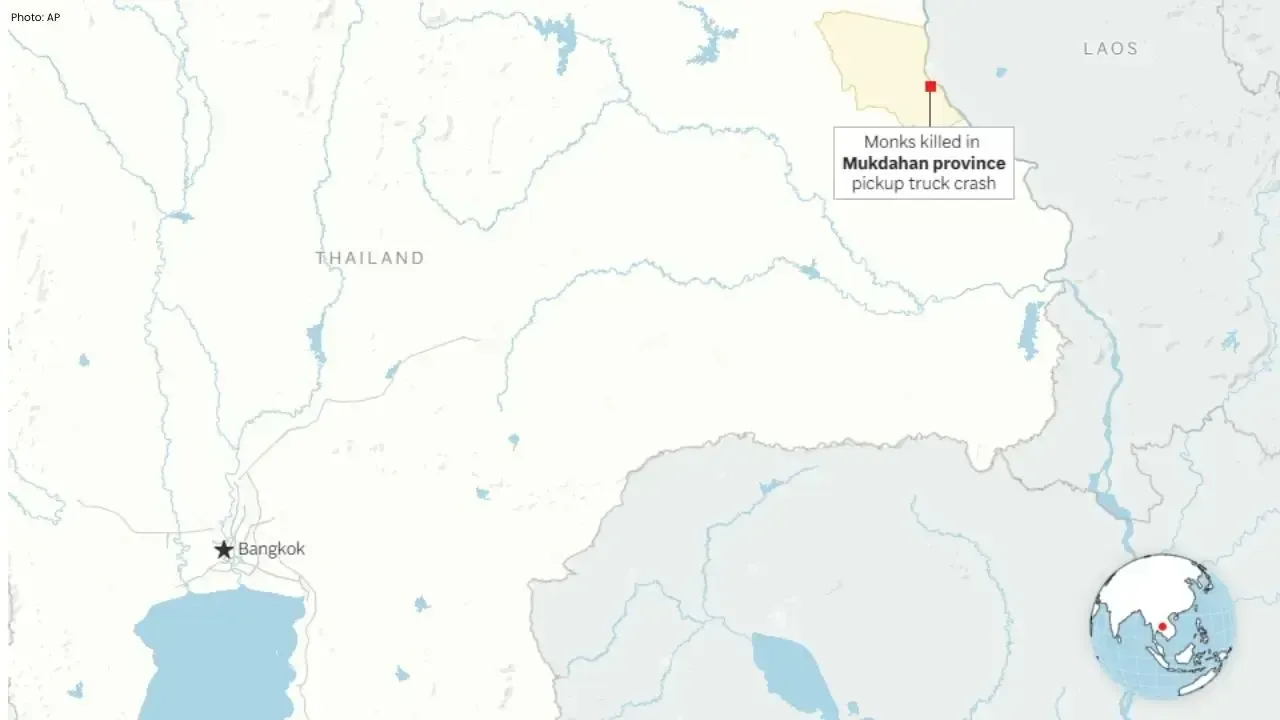
Nine Monks Killed in Thailand Pickup Truck Tragedy
An 11-year-old boy driving a pickup truck crashed into monks during a pilgrimage in northeastern Tha
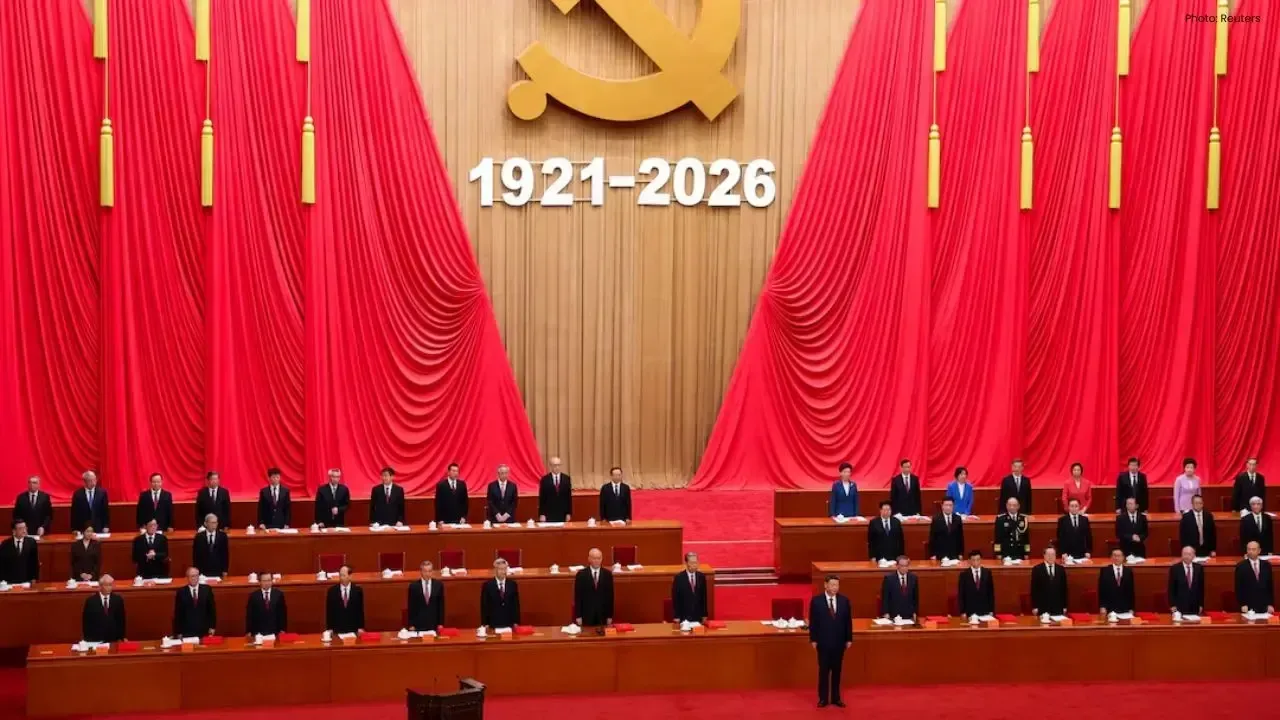
Anwar Congratulates Xi on CPC's 105th Anniversary
Malaysia reaffirms strong ties with China as PM Anwar Ibrahim sends a congratulatory letter to Presi

Thai Agriculture Team Reviews 2026 Farm Development Plans
Agriculture Ministry officials inspected livestock and organic rice projects in Nakhon Sawan to moni

Thailand, Canada Boost Ties in PM-Level Phone Talks
Thailand and Canada agreed to strengthen trade, security, OECD cooperation and ASEAN-Canada FTA talk