
You have not yet added any article to your bookmarks!
Join 10k+ people to get notified about new posts, news and tips.
Do not worry we don't spam!
Post by : Shakul
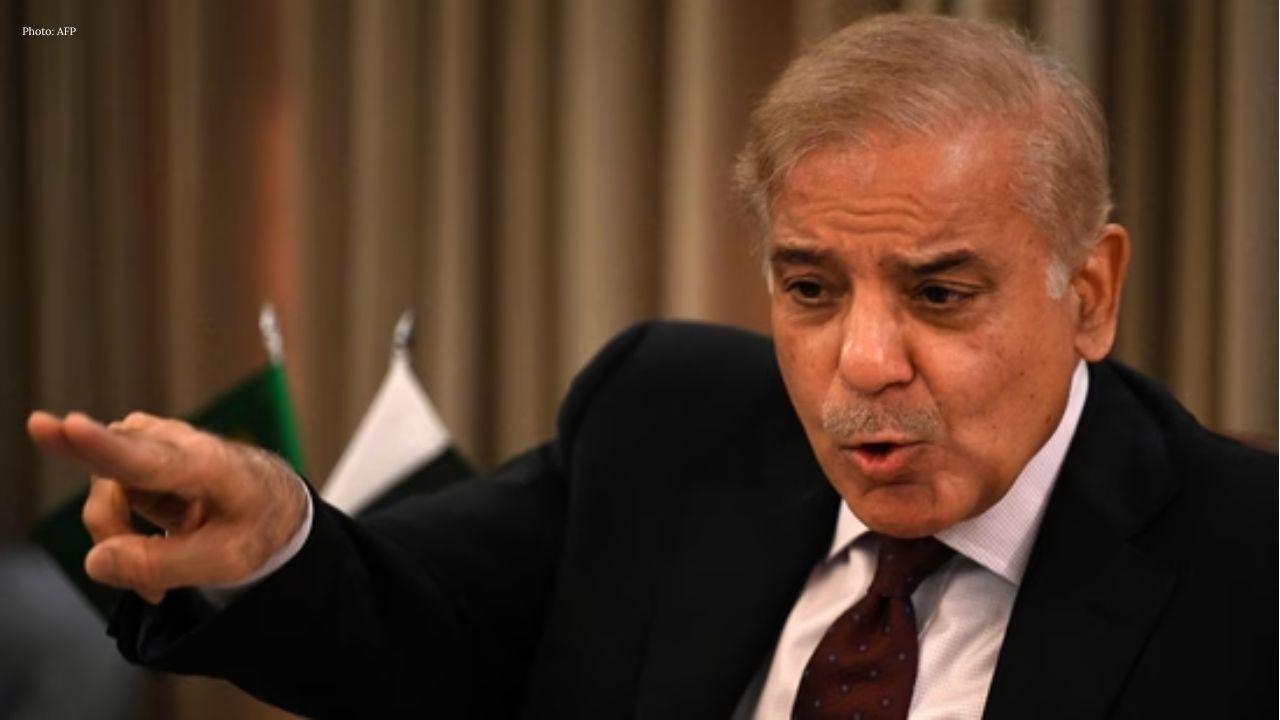
Pakistan has emerged as an unlikely diplomatic intermediary between the United States and Iran amid the ongoing 2026 conflict in the Middle East, positioning itself as a potential host and facilitator of indirect talks between Washington and Tehran.
High‑level Pakistani officials, including Prime Minister Shehbaz Sharif and Foreign Minister Ishaq Dar, have actively expanded Islamabad’s diplomatic outreach, inviting regional partners — for example Turkey, Egypt, and Saudi Arabia — to support de‑escalation efforts and to prepare for possible U.S.–Iran ceasefire discussions in Pakistan.
U.S. President Donald Trump publicly acknowledged that the United States and Iran had been engaging “directly and indirectly,” suggesting that negotiations could be advancing through these channels while calling Iran’s current leaders “very reasonable.” Trump’s comments coincided with Pakistan’s announcement that it was preparing to host meaningful talks aimed at ending the war.
However, Tehran has officially denied participating in any direct negotiations hosted by Pakistan, stating that Islamabad’s forums are independent and that no formal U.S.–Iran talks have taken place there. Iranian officials also described U.S. demands relayed through intermediaries as “excessive and unreasonable,” further complicating claims of mediation progress.
Analysts note Islamabad’s strategic balancing act: Pakistan shares a long border with Iran and maintains culturally close ties, while also seeking to preserve relations with the U.S. and Saudi Arabia. Its interest in mediation reflects both economic stakes — especially reliance on oil imports via the Strait of Hormuz — and broader regional security concerns, as escalation threatens economic stability and geopolitical dynamics.
Despite the diplomatic push, observers caution that true mediation success remains uncertain. Deep mistrust between Washington and Tehran, mixed signals from both governments, and Iran’s formal rejection of Pakistan‑facilitated talks underscore the challenges ahead.
Pakistan’s involvement has been described by some experts as a potential high‑risk, high‑reward diplomatic gambit — one that could enhance its global standing if successful, or backfire if efforts fail to deliver a ceasefire or clear progress.










PM Modi Pays Tribute to Mahatma Gandhi, Urges People to Support Khadi
PM Modi pays tribute to Mahatma Gandhi on Gandhi Jayanti and urges citizens to support Khadi and the

Amazon Seeks to Offload $8 Billion in Nvidia Chips to Investors
Amazon plans to move $8 billion in Nvidia chips to investors, using a new financing model to strengt

Samsung Raises Galaxy S26 Prices as Memory Chip Costs Rise
Samsung raises Galaxy S26 prices in South Korea as rising memory chip costs put pressure on smartpho

Lewis Hamilton Calls Singapore Grand Prix One of F1's Toughest Races
Lewis Hamilton discusses the demanding Singapore Grand Prix and brings Plus44 and Almave to Singapor

Denmark's Pandora Opens World's Largest Jewellery Factory in Vietnam
Pandora opens its largest jewellery factory in Vietnam, expanding global production, strengthening s

Gautam Gambhir Questions Batting-Friendly Pitches After India's Record ODI Chase
Gautam Gambhir questions batting-friendly ODI pitches after India’s record chase, calling for a bett

