You have not yet added any article to your bookmarks!
Join 10k+ people to get notified about new posts, news and tips.
Do not worry we don't spam!

Post by : Anis Farhan
For decades, India has been the global hub for information technology outsourcing, powering back-office operations, software development, and digital transformation for Fortune 500 companies. U.S. corporations, seeking cost efficiency and technical expertise, have fueled the rise of Indian IT giants such as Infosys, TCS, Wipro, and HCL. But this long-standing model now faces a serious challenge.
The U.S. government is weighing tax reforms that would directly impact companies relying on overseas outsourcing. These proposals, aimed at bringing jobs back to American soil, could alter cost dynamics, reduce profit margins for Indian firms, and force them to rethink their strategies. For an industry that contributes significantly to India’s GDP and exports, the stakes are higher than ever.
At the heart of the U.S. debate are measures to discourage companies from sending jobs overseas. Key proposals include:
Increased Taxes on Foreign Profits: Raising the Global Intangible Low-Taxed Income (GILTI) tax rate for profits made abroad.
Incentives for Domestic Hiring: Providing tax breaks for companies that keep or create jobs within U.S. borders.
Minimum Corporate Tax on Overseas Earnings: Closing loopholes that allowed firms to defer taxes on offshore profits.
While these reforms primarily target U.S. multinationals, the ripple effects will inevitably reach Indian outsourcing partners. If American companies find offshore contracts less attractive, demand for Indian IT services could slow down.
Indian IT companies earn nearly 60% of their revenue from North America, with the U.S. being the dominant contributor. This heavy dependence means that any unfavorable policy shift in Washington directly affects their business models.
The proposed taxes could increase operational costs for U.S. clients, making them reconsider offshore partnerships. Smaller contracts, delayed project approvals, and tighter margins may become common, particularly in high-volume outsourcing such as customer support and routine software maintenance.
However, Indian firms are not entirely without leverage. Their deep expertise in cloud computing, cybersecurity, data analytics, and AI-driven solutions ensures they remain indispensable partners for digital transformation. The question is whether they can absorb potential cost shifts or pass them on without losing competitiveness.
Indian IT companies have long anticipated such risks. Over the past decade, they have diversified into new areas:
Onshore Hiring in the U.S.: Infosys, TCS, and Wipro have established delivery centers in states like Texas, Indiana, and North Carolina to employ local talent. This reduces political backlash and aligns with U.S. priorities.
Automation and AI: By automating routine tasks, firms can offset rising costs and improve efficiency.
Expanding Non-U.S. Markets: Growth in Europe, the Middle East, and Asia-Pacific is helping reduce dependence on the U.S., though not yet enough to counterbalance it fully.
Consulting and Value-Added Services: Moving up the value chain allows Indian IT firms to remain strategic partners rather than just low-cost service providers.
These steps demonstrate resilience, but the pace of U.S. reforms may test how quickly these strategies deliver results.
For the U.S., outsourcing has long been a contentious political issue. Both Democrats and Republicans have, at different times, criticized corporations for sending jobs overseas while domestic unemployment remains a concern.
Tax proposals framed around “bringing jobs back home” play well with voters. Policymakers argue that incentivizing local hiring not only supports the American workforce but also strengthens domestic innovation. However, critics note that U.S. companies rely on Indian IT firms for cost advantages and specialized skills that are not easily replicated at home. Restricting outsourcing too sharply could harm competitiveness for U.S. businesses.
Indian IT industry associations, such as NASSCOM, have expressed concern but remain cautiously optimistic. They argue that outsourcing is not just about cost savings—it is also about scalability, time-zone advantages, and access to global expertise.
Analysts believe that while short-term challenges are inevitable, Indian IT firms have shown adaptability during crises, including the Y2K transition, the 2008 financial crisis, and the COVID-19 pandemic. Each disruption has eventually led to reinvention and growth.
The future of Indian IT outsourcing will depend on how aggressively U.S. tax proposals are implemented and how companies adapt. Possible outcomes include:
Mild Impact: If reforms are watered down, Indian firms may see slower growth but not significant losses.
Moderate Disruption: Increased costs could force U.S. clients to renegotiate contracts, squeezing Indian firms’ margins.
Severe Impact: If strong penalties are imposed on offshore outsourcing, Indian IT exports could take a substantial hit, prompting accelerated diversification into Europe and Asia.
The IT outsourcing industry is not just about corporate profits—it is a backbone of India’s economy. It contributes nearly 8% of India’s GDP and provides millions of direct and indirect jobs. A slowdown in U.S. demand could affect India’s employment landscape, currency inflows, and even stock market performance, given that IT firms are major index players.
At the same time, challenges often spur innovation. A push away from dependency on the U.S. could accelerate India’s ambitions in emerging technologies, start-up ecosystems, and domestic digital transformation projects.
The U.S. tax proposals represent one of the most significant threats to India’s outsourcing industry in years. Yet, the sector has repeatedly demonstrated its ability to adapt, whether through adopting new technologies, entering new markets, or rethinking business models.
While uncertainties loom, Indian IT firms are already repositioning themselves as global digital partners rather than low-cost contractors. The coming years will determine whether they can continue leading in an environment where policy and politics are just as important as technology and talent.
This article is for informational purposes only and reflects research and analysis of current developments in U.S. tax policy and its implications for Indian IT outsourcing. It does not represent the editorial stance of Newsible Asia.










Australia 50/3 After Bangladesh Bowled Out for 64 in Second Test
Australia reached 50/3 after Bangladesh were bowled out for 64 in the second Test, with Mitchell Sta

Jordan Burroughs Returns to Wrestling with 2028 Olympic Dream
Jordan Burroughs returns to wrestling with Real American Freestyle as the Olympic champion eyes a po

Lamborghini Catches Fire on Singapore's ECP, Causing Heavy Traffic
A Lamborghini caught fire on Singapore's ECP, causing heavy traffic and bus delays. No injuries were

Bangkok Airport Duty-Free Area Flooded by Pipe Burst
A burst water pipe flooded the duty-free shopping area at Bangkok's Suvarnabhumi Airport on July 16,
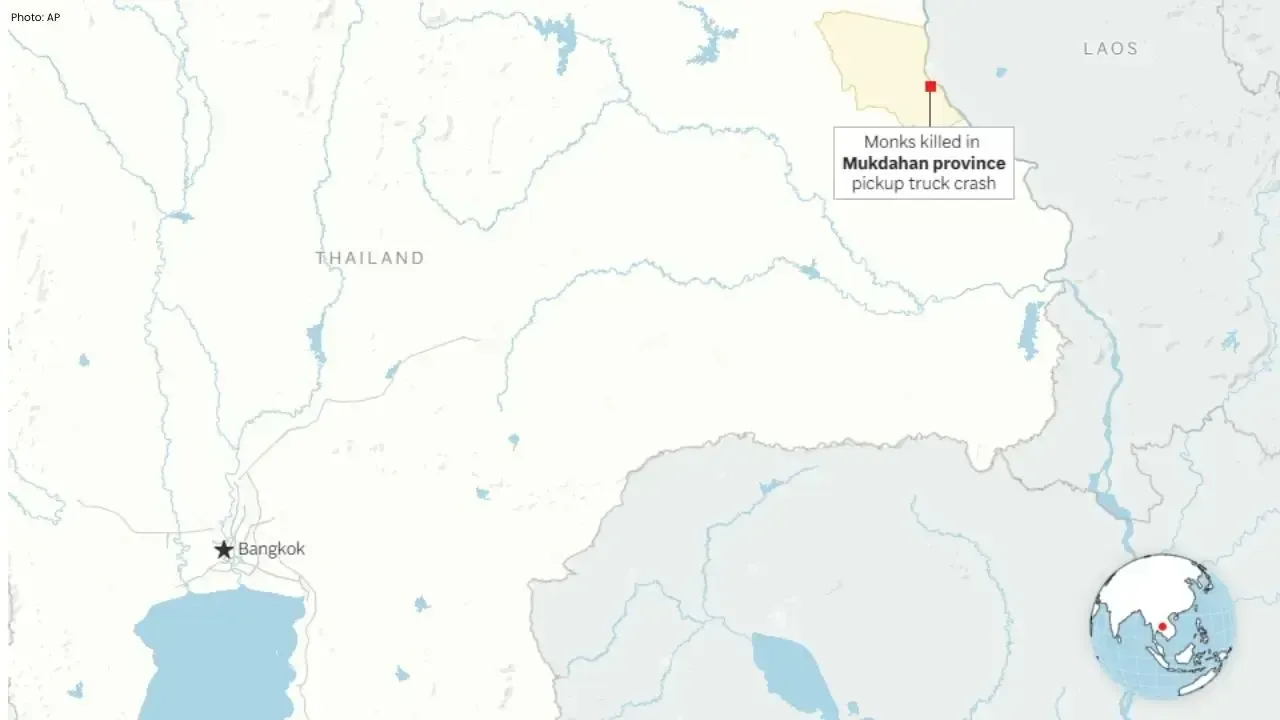
Nine Monks Killed in Thailand Pickup Truck Tragedy
An 11-year-old boy driving a pickup truck crashed into monks during a pilgrimage in northeastern Tha
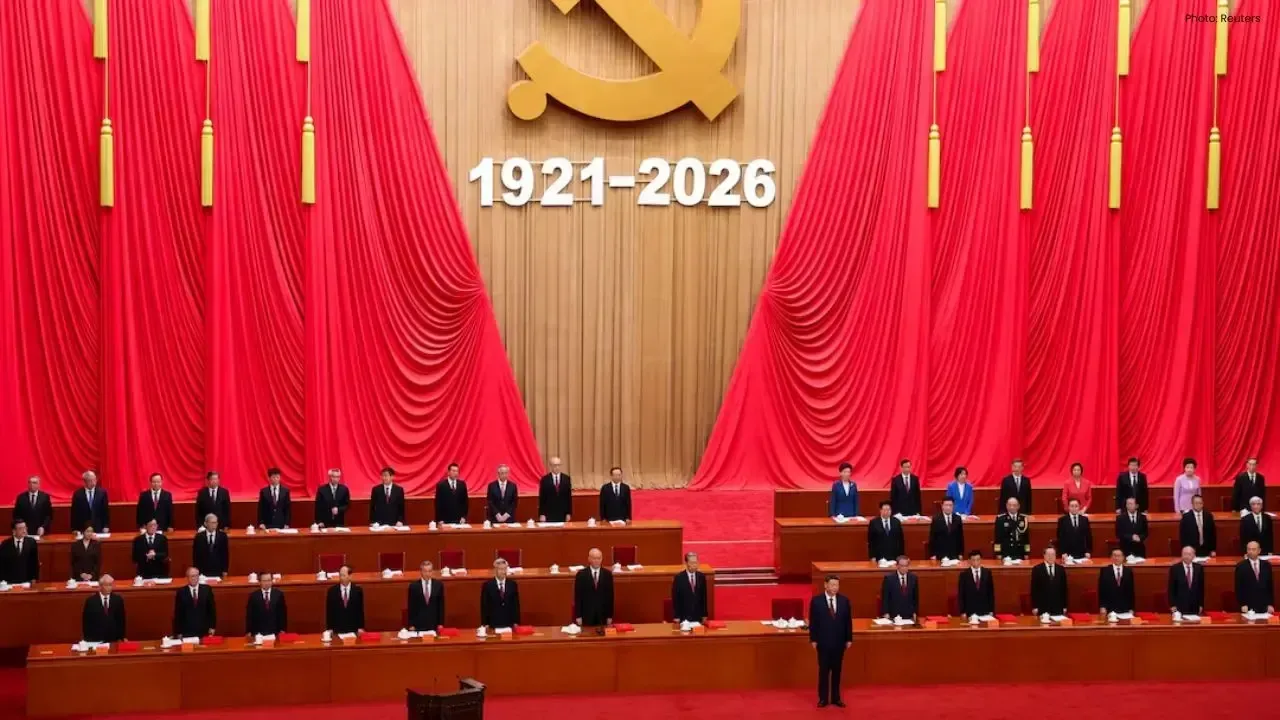
Anwar Congratulates Xi on CPC's 105th Anniversary
Malaysia reaffirms strong ties with China as PM Anwar Ibrahim sends a congratulatory letter to Presi