
You have not yet added any article to your bookmarks!
Join 10k+ people to get notified about new posts, news and tips.
Do not worry we don't spam!
Post by : Saif Rahman
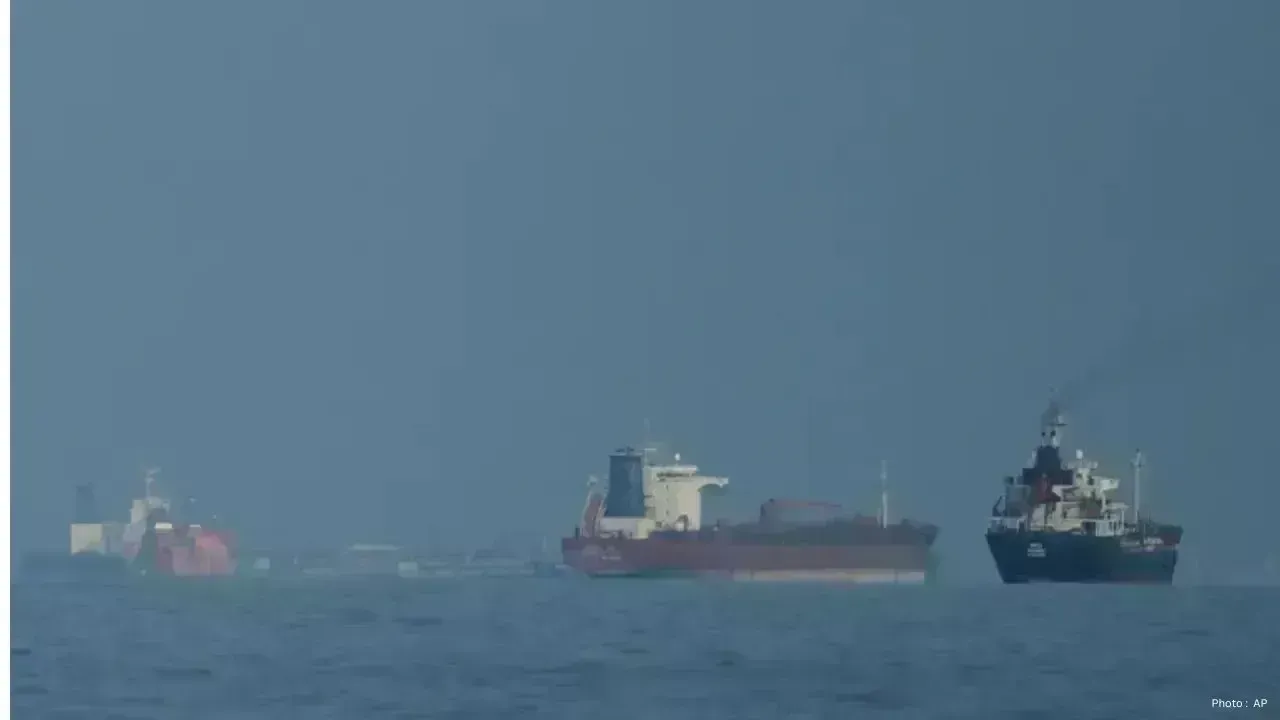
Oil prices have witnessed a significant surge, now exceeding $106 per barrel, driven by escalating tensions between the United States and Iran. This crisis is largely tied to a standoff in the Strait of Hormuz, a critical artery for global oil transportation.
The Strait of Hormuz sees a substantial volume of the world’s oil moving through it daily. Disruptions in this vital shipping lane can immediately impact global energy markets, and the current conflict heightens the stakes.
Market analysts indicate that the latest rise in oil prices is due to fears of potential supply disruptions. When maritime routes become less secure, uncertainty spreads among traders and industries, resulting in inflated prices.
The rising friction between the US and Iran centers on military confrontations and stark political declarations, tightening the already tense atmosphere. With negotiations stalled, a resolution seems elusive.
This scenario underscores the interplay between political events and energy markets. A localized conflict can quickly escalate into widespread economic repercussions, affecting fuel prices globally. Essentially, any rise in oil costs could lead to increased prices for transportation and everyday goods, straining economies, particularly in oil-dependent countries.
Moreover, inflation typically accompanies rising oil prices, diminishing consumer purchasing power, which can hinder economic momentum. Governments find themselves grappling with difficult policy decisions in response to these developments.
The ripple effects extend to global trade; shipping delays and higher insurance premiums in response to heightened security threats could disrupt supply chains, thus escalating market prices worldwide.
Current circumstances also reiterate the necessity for stable international relations. Diplomatic efforts and cooperation play crucial roles in maintaining the security of pivotal trade routes, with absent dialogue amplifying the risks of escalation.
Experts caution that without constructive discussions between the US and Iran, oil prices might not stabilize and could rise further, magnifying their global impact as uncertainty persists.
The events unfolding in the Strait of Hormuz resonate beyond regional confines, affecting global economies, governments, and populations. Ensuring stability in this corridor is vital for a balanced energy supply and stable economic conditions.
As developments progress, global leaders are poised to monitor the situation for any shift toward dialogue or further discord. The outcomes from this period may significantly influence international relations and market trajectories in the near future.










PM Modi Pays Tribute to Mahatma Gandhi, Urges People to Support Khadi
PM Modi pays tribute to Mahatma Gandhi on Gandhi Jayanti and urges citizens to support Khadi and the

Amazon Seeks to Offload $8 Billion in Nvidia Chips to Investors
Amazon plans to move $8 billion in Nvidia chips to investors, using a new financing model to strengt

Samsung Raises Galaxy S26 Prices as Memory Chip Costs Rise
Samsung raises Galaxy S26 prices in South Korea as rising memory chip costs put pressure on smartpho

Lewis Hamilton Calls Singapore Grand Prix One of F1's Toughest Races
Lewis Hamilton discusses the demanding Singapore Grand Prix and brings Plus44 and Almave to Singapor

Denmark's Pandora Opens World's Largest Jewellery Factory in Vietnam
Pandora opens its largest jewellery factory in Vietnam, expanding global production, strengthening s

Gautam Gambhir Questions Batting-Friendly Pitches After India's Record ODI Chase
Gautam Gambhir questions batting-friendly ODI pitches after India’s record chase, calling for a bett

