You have not yet added any article to your bookmarks!
Join 10k+ people to get notified about new posts, news and tips.
Do not worry we don't spam!
Post by : Saif Rahman
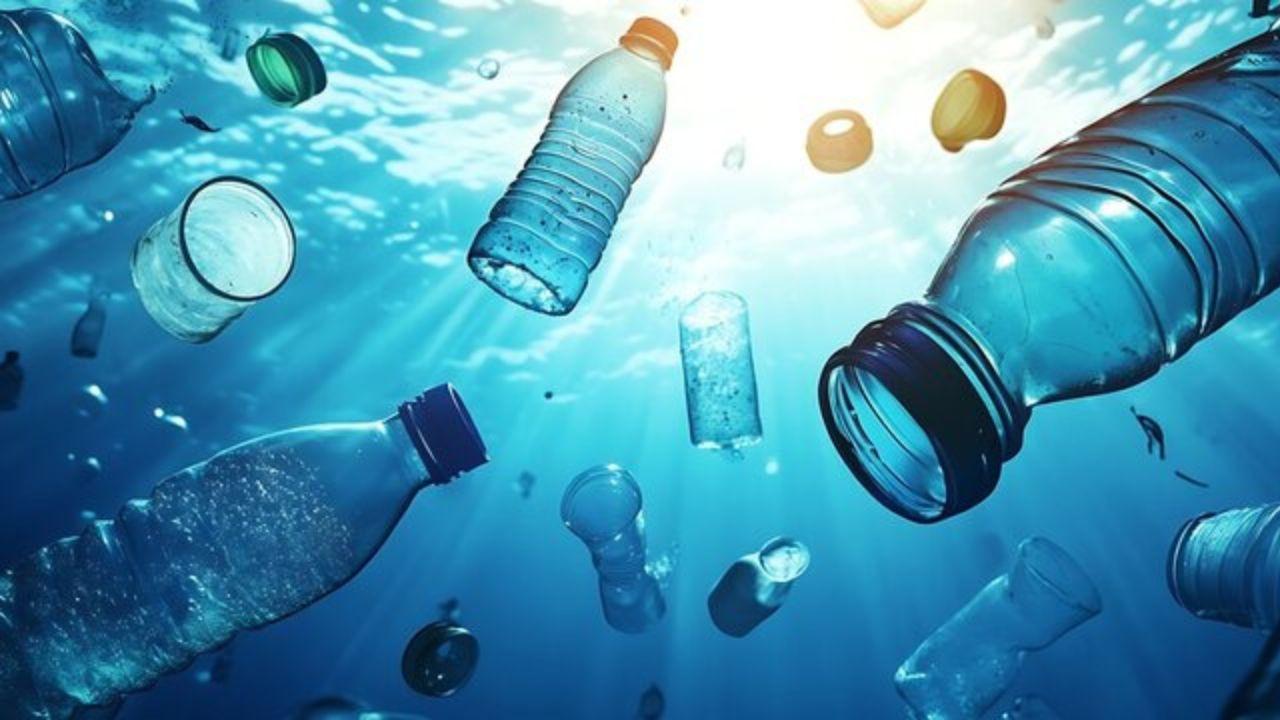
Our oceans cover more than 70% of the Earth’s surface. They give us food, oxygen, jobs, and even help control the planet’s climate. But today, oceans are in danger. Ocean pollution—waste and chemicals entering the sea—is harming marine life and affecting people around the world. To fight this problem, scientists and companies are using ocean pollution technology, or ocean pollution tech. These are tools and systems made to clean, monitor, and protect the oceans.
The Problem of Ocean Pollution
Every year, millions of tons of plastic, oil, chemicals, and other waste enter the sea. Sea turtles swallow plastic bags thinking they are jellyfish. Fish and seabirds get trapped in discarded nets. Coral reefs, which support thousands of species, are dying because of chemicals and warming waters. Ocean pollution does not just hurt animals—it also affects people. Polluted water can damage fisheries, reduce tourism, and even harm our health when seafood is contaminated.
How Technology Is Helping
Ocean Cleanup Systems:
Large floating devices, like the Ocean Cleanup project, collect plastic waste from rivers and oceans before it breaks into tiny pieces. These systems can remove thousands of kilograms of trash at a time.
Drones and Robots:
Underwater drones and robotic arms are used to find and remove waste from hard-to-reach areas, like deep sea floors or coral reefs. Some robots can even sort and recycle plastics on the spot.
Smart Sensors and Data:
Sensors placed in oceans track pollution levels, oil spills, and water temperature. The information helps scientists and governments act quickly when problems start.
Biodegradable Materials:
Companies are creating packaging and fishing nets that break down naturally instead of turning into harmful plastic waste. This reduces the amount of long-lasting trash entering the sea.
Recycling and Waste Management on Land:
Many new technologies stop waste from reaching the ocean in the first place. Better recycling systems and AI-powered sorting machines can reduce plastic pollution at its source.
Why This Matters to Everyone
Healthy oceans support billions of people. Fishing provides food and income for many families. Coral reefs protect coastlines from storms. Oceans also absorb carbon dioxide, helping slow down climate change. If pollution continues, fish populations may decline, seafood prices may rise, and coastal communities may suffer more damage from storms.
Global Action and Cooperation
Many countries, companies, and non-profit groups are working together. Governments are banning single-use plastics and investing in cleanup programs. Tech companies are building advanced systems to track and remove waste. Schools and communities are teaching children about protecting the oceans. International agreements, like the UN’s goal to protect marine life, encourage countries to share knowledge and resources.
What We Can Do
Even small actions matter. People can:
Use reusable bags, bottles, and containers.
Recycle correctly and reduce plastic use.
Join or support local beach cleanups.
Learn about products made from sustainable materials.
Supporting ocean pollution tech projects—by donating, volunteering, or simply spreading the word—can make a big difference.
A Cleaner Future Is Possible
Ocean pollution tech shows us that human innovation can solve even big problems. By investing in these tools, we are protecting marine life, securing food supplies, and keeping our planet healthy. But technology alone is not enough—we all need to act. If governments, businesses, and individuals work together, our oceans can recover and continue to support life on Earth for generations to come.







Lamborghini Catches Fire on Singapore's ECP, Causing Heavy Traffic
A Lamborghini caught fire on Singapore's ECP, causing heavy traffic and bus delays. No injuries were

Bangkok Airport Duty-Free Area Flooded by Pipe Burst
A burst water pipe flooded the duty-free shopping area at Bangkok's Suvarnabhumi Airport on July 16,
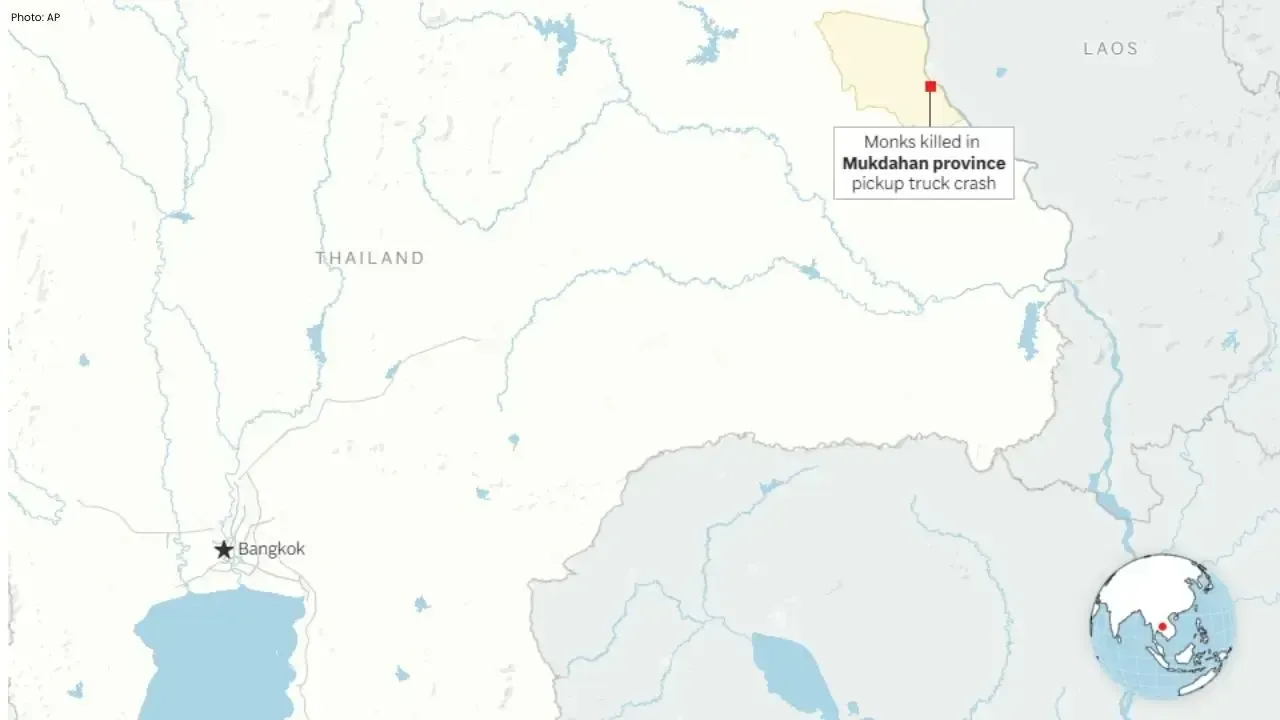
Nine Monks Killed in Thailand Pickup Truck Tragedy
An 11-year-old boy driving a pickup truck crashed into monks during a pilgrimage in northeastern Tha

Anwar Congratulates Xi on CPC's 105th Anniversary
Malaysia reaffirms strong ties with China as PM Anwar Ibrahim sends a congratulatory letter to Presi
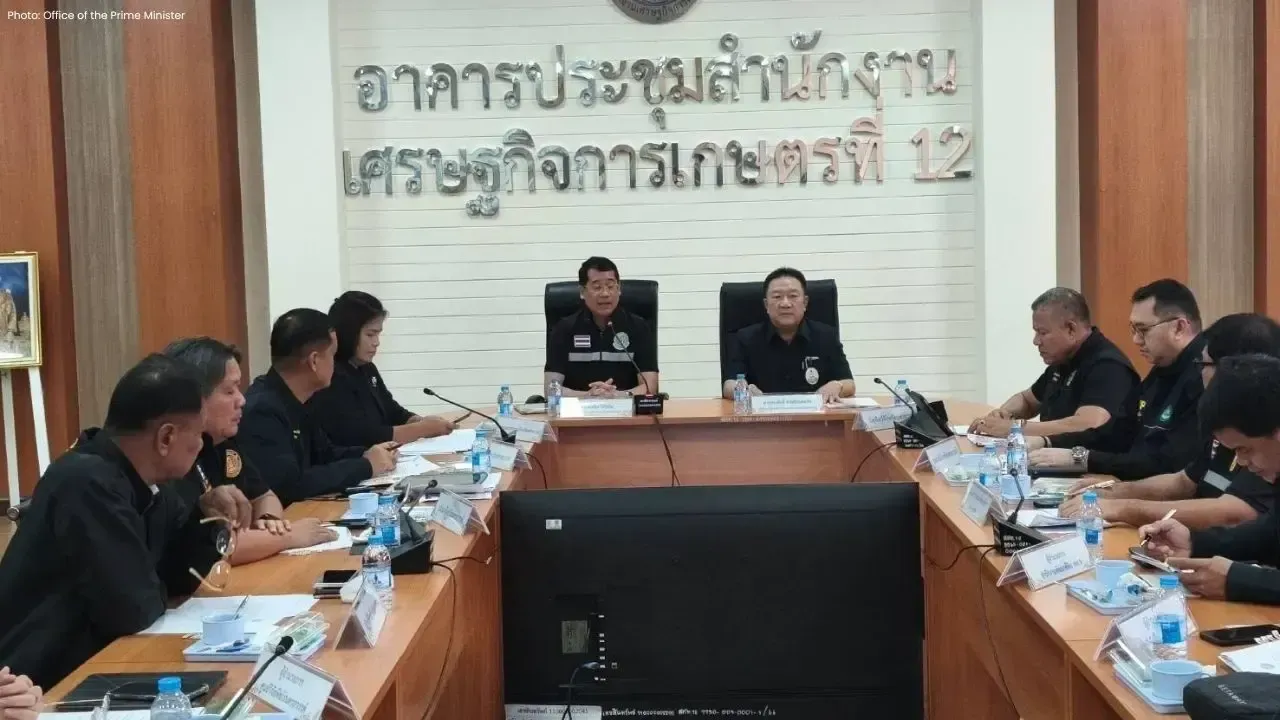
Thai Agriculture Team Reviews 2026 Farm Development Plans
Agriculture Ministry officials inspected livestock and organic rice projects in Nakhon Sawan to moni

Thailand, Canada Boost Ties in PM-Level Phone Talks
Thailand and Canada agreed to strengthen trade, security, OECD cooperation and ASEAN-Canada FTA talk