You have not yet added any article to your bookmarks!
Join 10k+ people to get notified about new posts, news and tips.
Do not worry we don't spam!
Post by : Anis Farhan
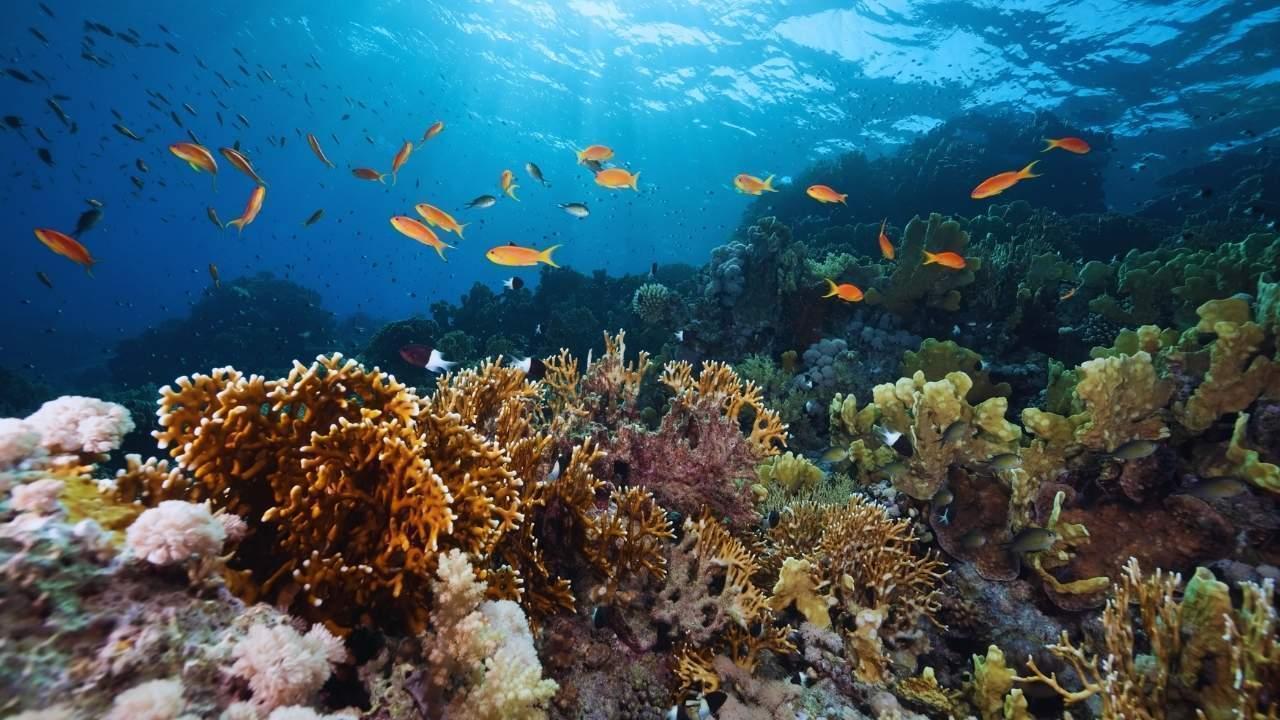
Coral reefs are often described as the “rainforests of the sea,” home to an astonishing array of marine life and a lifeline for millions of people who depend on fishing and tourism. Southeast Asia hosts some of the world’s richest reef systems, stretching across Indonesia, the Philippines, Malaysia, and Thailand. These reefs are not just ecological wonders but also economic engines, sustaining livelihoods, providing coastal protection, and attracting global travelers. However, climate change, destructive fishing practices, and unchecked pollution are pushing them to the brink of collapse. As scientists, governments, and local communities rally behind restoration projects, the question is whether conservation can outpace the rapid decline.
The reefs in Southeast Asia form part of the Coral Triangle, often called the global epicenter of marine biodiversity. This region harbors over 600 species of reef-building corals and more than 2,000 species of reef fish.
Their importance extends beyond biodiversity:
Fisheries: Millions of people rely on reef ecosystems for their primary source of protein.
Tourism: Diving and snorkeling activities generate billions in revenue annually.
Coastal Protection: Reefs act as natural barriers, protecting shorelines from erosion, storms, and rising sea levels.
Without coral reefs, both environmental balance and human livelihoods would be at severe risk.
Despite their importance, these ecosystems face multiple pressures:
Climate Change and Coral Bleaching: Rising sea temperatures trigger bleaching, where corals expel algae and lose their vibrant colors, often leading to death.
Overfishing and Destructive Practices: Blast fishing and cyanide fishing still occur in parts of the region, damaging reef structures and marine life.
Pollution and Coastal Development: Plastic debris, untreated sewage, and coastal construction degrade reef health.
Tourism Mismanagement: Overcrowded dive sites and irresponsible boating cause physical damage to delicate coral formations.
Together, these threats are eroding the resilience of reef ecosystems faster than natural recovery can occur.
In response to these challenges, innovative restoration projects are being launched:
Coral Nurseries: Broken coral fragments are grown in underwater nurseries before being transplanted back to damaged reefs.
Artificial Reefs: Structures made of concrete, steel, or eco-friendly materials are placed underwater to provide surfaces for coral growth.
Community-Led Initiatives: Local fishermen in the Philippines have formed marine protected areas where reef restoration is actively managed by coastal communities.
High-Tech Solutions: In Singapore, scientists are experimenting with 3D-printed reef structures to boost coral survival rates.
These initiatives demonstrate that with commitment and collaboration, reefs can recover.
Conservation is most effective when local communities are engaged. In Indonesia, community-based organizations patrol marine protected areas to prevent illegal fishing. In Malaysia, indigenous groups work with NGOs to combine traditional knowledge with modern conservation methods.
By involving communities in decision-making, governments not only protect ecosystems but also empower people who directly depend on them. This human-centered approach ensures that conservation projects are sustainable in the long term.
Tourism is both a threat and an opportunity. Poorly managed tourism damages reefs, yet eco-tourism offers financial incentives for conservation. Destinations like Thailand’s Phi Phi Islands have introduced visitor limits and temporary closures of popular reefs to allow recovery. Meanwhile, dive operators are partnering with conservation groups to educate tourists about responsible practices.
By promoting eco-tourism, Southeast Asia can balance economic growth with environmental stewardship.
Since coral reefs extend across borders, cooperation is crucial. The Coral Triangle Initiative on Coral Reefs, Fisheries, and Food Security (CTI-CFF) brings together six countries—Indonesia, Malaysia, Papua New Guinea, the Philippines, Solomon Islands, and Timor-Leste—to protect shared marine resources.
International organizations are also providing technical expertise and funding for large-scale reef restoration. Global collaboration ensures that local projects benefit from scientific advances and sustained investment.
The future of coral reefs in the region is uncertain. Without urgent action, scientists warn that Southeast Asia could lose up to 90% of its reefs by 2050. However, successful restoration efforts suggest a more hopeful scenario—one where reefs not only survive but thrive, supporting biodiversity and human communities alike.
For this vision to become reality, governments must enforce stronger environmental policies, businesses must adopt sustainable practices, and citizens must embrace conservation as part of their daily lives.
This article is for informational and educational purposes only. It reflects current discussions on marine conservation and does not represent official positions of governments or institutions.







Jordan Burroughs Returns to Wrestling with 2028 Olympic Dream
Jordan Burroughs returns to wrestling with Real American Freestyle as the Olympic champion eyes a po

Lamborghini Catches Fire on Singapore's ECP, Causing Heavy Traffic
A Lamborghini caught fire on Singapore's ECP, causing heavy traffic and bus delays. No injuries were

Bangkok Airport Duty-Free Area Flooded by Pipe Burst
A burst water pipe flooded the duty-free shopping area at Bangkok's Suvarnabhumi Airport on July 16,
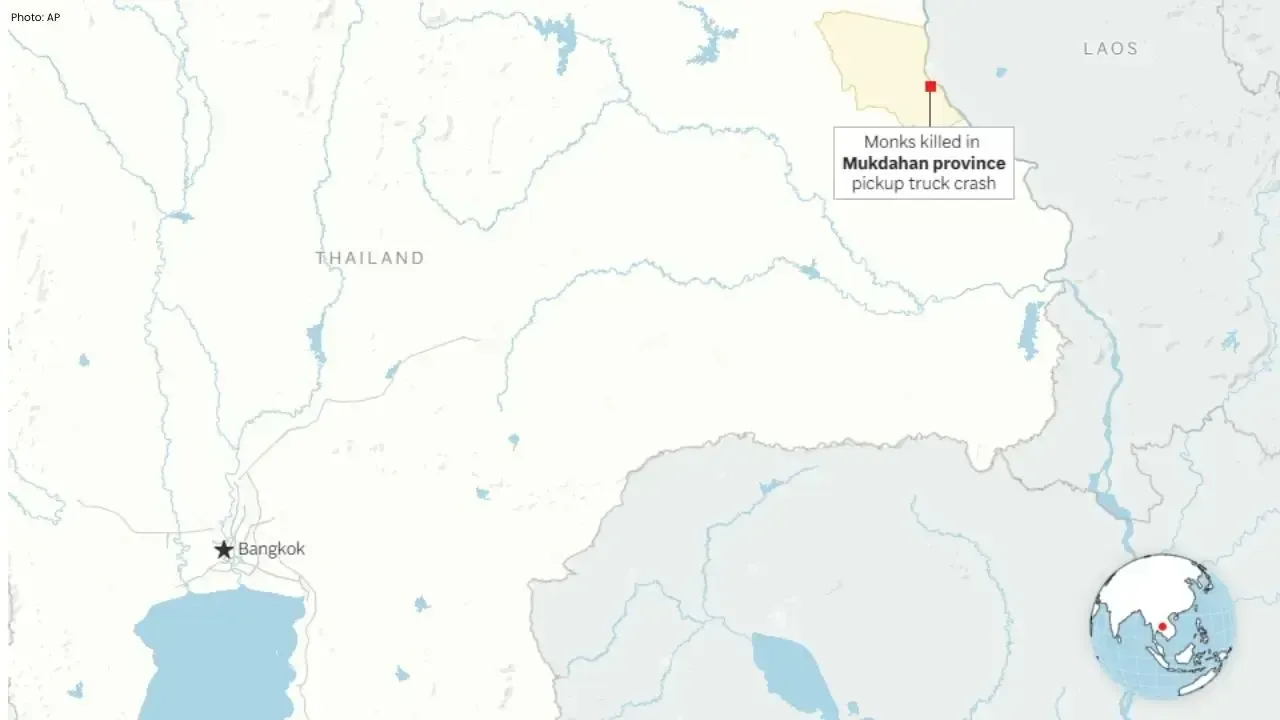
Nine Monks Killed in Thailand Pickup Truck Tragedy
An 11-year-old boy driving a pickup truck crashed into monks during a pilgrimage in northeastern Tha

Anwar Congratulates Xi on CPC's 105th Anniversary
Malaysia reaffirms strong ties with China as PM Anwar Ibrahim sends a congratulatory letter to Presi
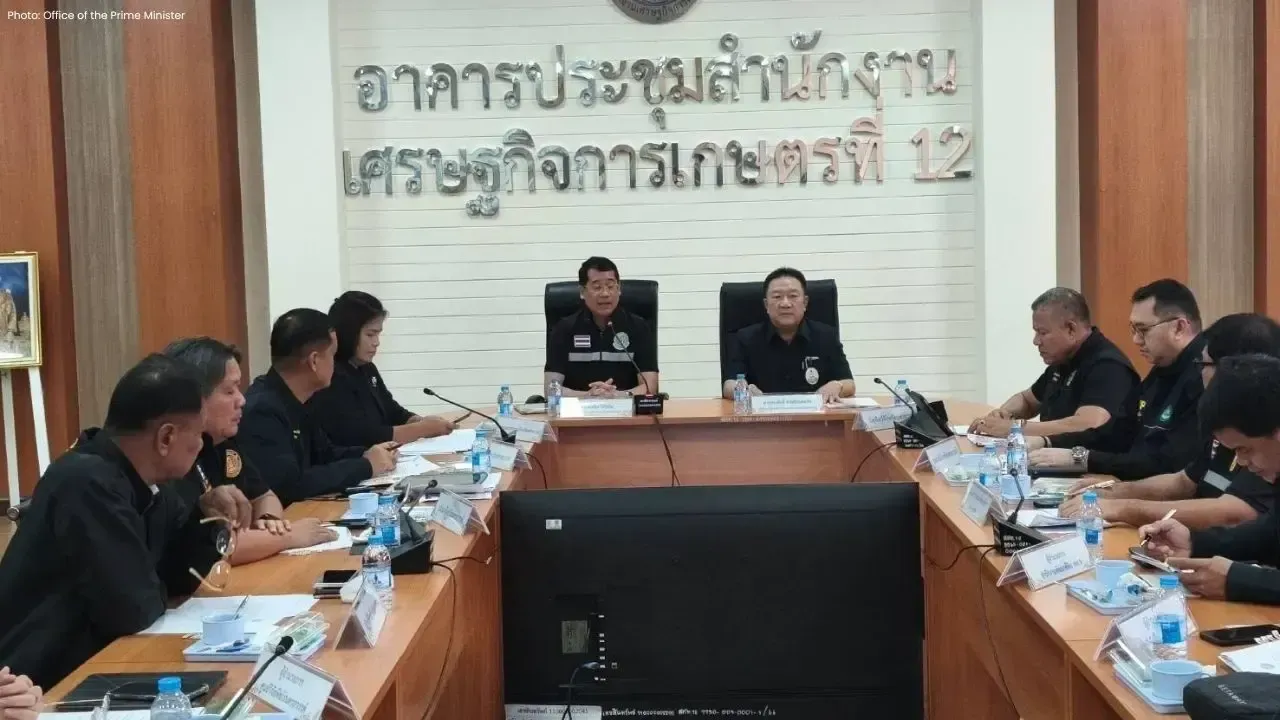
Thai Agriculture Team Reviews 2026 Farm Development Plans
Agriculture Ministry officials inspected livestock and organic rice projects in Nakhon Sawan to moni