
You have not yet added any article to your bookmarks!
Join 10k+ people to get notified about new posts, news and tips.
Do not worry we don't spam!
Post by : Anis Farhan
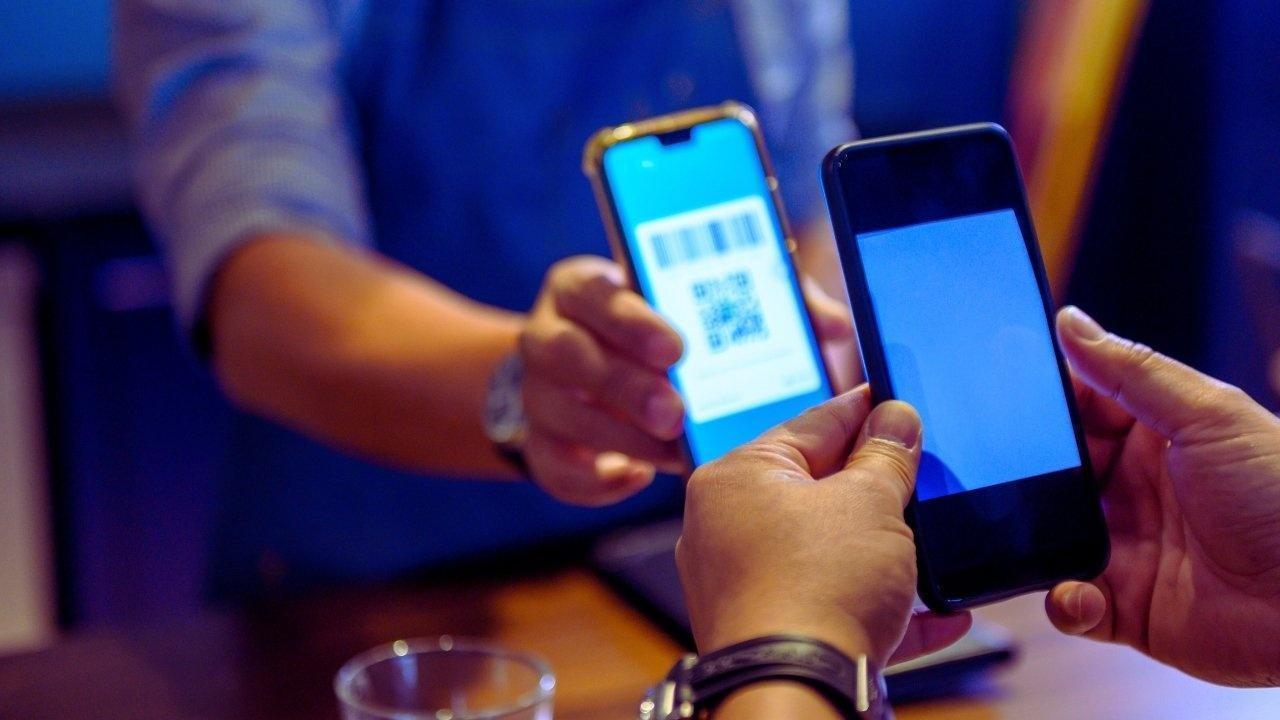
Over the recent years, the landscape of everyday transactions has dramatically evolved. Smaller local businesses to major retail chains now favor cashless payment methods. Shoppers find themselves tapping cards, scanning QR codes, or using mobile wallets for nearly every purchase. Although this transition has been happening steadily, the pandemic catalyzed a firm move towards contactless solutions and rapid digital adoption.
Nevertheless, recent issues with payment systems—ranging from technical glitches, server failures, to transaction delays—have sharply highlighted our reliance on seamless digital payment infrastructures. Simple tasks such as buying groceries or paying for public transportation can grind to a halt during these failures, underlining both the benefits and weaknesses inherent in a cashless economy.
The reliance on digital payments often goes unnoticed until disruptiveness strikes. Daily expenses such as coffee runs, grocery shopping, transit fares, online orders, ride-sharing services, school fees, and workplace meals are linked through mobile wallets, card readers, and banking applications. Cash is now frequently seen as cumbersome, if not perilous.
This change has been driven by the desire for speed and convenience—quick checkouts, effortless expense tracking, and reduced need for cash have become the norm. People anticipate and prefer the simplicity of tapping or scanning over traditional methods.
But such dependence brings significant impacts when these systems malfunction.
The latest payment outages affected numerous regions, paralyzing daily life. Transactions aborted unexpectedly, QR codes froze, refunds hesitated, and banking apps faltered. For a population accustomed to instant consistency, confusion and frustration ensued.
Key takeaways emerged from these experiences. Firstly, the convenience of digital payments hinges on a complex interplay of systems. A failure in one area—be it network operators, banking institutions, or payment platforms—can disrupt the entire flow. Secondly, many individuals seldom carry alternative forms of payment, relying solely on digital methods. Thus, when disruption occurs, their usual routines face abrupt challenges.
Moreover, these issues sparked critical discussions about our dependence on automated transactions and our preparedness for unexpected interruptions.
While minor, payment failures can trigger unexpected stress. Standing in a store line or attempting to board a bus while facing a declined payment might induce anxiety. It's not necessarily about the cost of the item but the dread of embarrassment or being unprepared.
Such reactions emphasize how integral digital payments are to our livelihoods, frequently taken for granted. A sudden breakdown of this trust can disturb one’s sense of normalcy.
Cash was once the most reliable payment mechanism. Nowadays, few carry physical currency. Extended periods elapse without families needing to withdraw cash. ATMs are less frequented, with some struggling even to recall their PIN.
The allure of digital convenience has relegated cash to the background. During payment failures, many yearned for the reliability of cash. Those stocked with emergency cash fared better, while others found it challenging even to procure basic necessities.
Such incidents reveal a vital lesson: while digital payments excel in speed, cash still holds value in emergencies.
A surprising number of daily routines hinge on digital transactions. Each system failure momentarily disrupted these routines for many, indicating how effortlessly integrated digital payments have become into ordinary life.
Numerous small businesses depend solely on digital systems. Vendors like street food sellers, local markets, and small shops often accept cashless payments to minimize cash management and streamline bookkeeping.
During recent outages, many vendors faced sharp declines in sales. Customers walked away without cash, while others stood by waiting for systems to reactivate. This left vendors in a lurch, grappling with a surge in customers and halted transactions.
These situations illuminate how digital methods have empowered small enterprises while simultaneously exposing them to significant vulnerabilities.
Following repeated disruptions, many consumers are adopting mixed payment strategies—leveraging digital conveniences while maintaining a small reserve of cash for emergencies. This subtle yet vital shift reflects a movement from purely cashless lifestyles to a more balanced approach.
Families are now keeping small emergency funds, while commuters stash spare change. Even workplaces are nudging employees to consider backup payment options, showcasing a nuanced behavior change influenced by recent challenges.
These disruptions also underscore the crucial need for digital literacy. Many who solely depend on payment applications are unaware of alternative solutions like switching between payment apps or using offline features.
With outages becoming increasingly common due to rising demand, enhanced digital literacy should become essential daily know-how, prompting families to ensure older members are versed in various payment techniques to circumvent downtime.
Payment interruptions highlighted families' dependence on applications for expense tracking. Once glitches hit, transaction histories vanished. For families on stringent budgets, even short tracking lapses could spark confusion.
In our digital-centric era, these apps offer a sense of stability. When disruptions occur, households face uncertainty regarding their financial status, reinforcing the necessity of maintaining some offline records.
Younger generations are typically the most at ease with digital transactions, yet even they felt the brunt of recent disruptions. Many understood the importance of carrying alternative cards or small amounts of cash for safety.
For students and interns managing limited allowances, a sudden outage might disrupt food, transport, or housing costs, spurring a reevaluation of their spending readiness—despite their preference for cashless solutions.
Nonetheless, young people adapted quickly, discovering workarounds and alternative apps or borrowing from peers, illustrating their agility in response to shifting conditions.
Another obstacle defined by payment disruptions is the reliance on devices. A payment app is rendered ineffective if a phone's battery dies. Many found themselves unable to purchase simply because their devices shut down.
This sparked dialogues about practical habits such as keeping power banks handy or maintaining essential data offline. In a cashless era, a charged device has grown nearly as critical as physical currency.
In response to recent disruptions, businesses have begun incorporating contingency plans. Shops that previously only catered to QR payments now retain card terminals as backups. Others ensure they have a reserve of cash on hand, while some offer delays in payments for loyal customers during these interruptions.
Such shifts reveal an evolving business ecosystem where stakeholders acknowledge the need for backup in the midst of a cashless evolution—aiming to create resilient payment methods.
Despite the challenges presented by payment disruptions, there's little indication that societies will revert to reliance on cash. The advantages of digital payments often outweigh the occasional setbacks experienced. Consumers prioritize simplicity, speed, cleanliness, and financial clarity.
Instead of reversing progress, these disruptions pave the way for smarter habits. Individuals carry backups and adopt multiple payment methods while keeping a small cash reserve for emergencies. The system adapts, growing more robust as digital transactions proliferate.
The future in navigating a cashless society hinges upon balance. While the advantages of digital solutions will continue to grow with technological advancements, the lessons drawn from recent disruptions remind both individuals and businesses of the value of preparedness.
Achieving balance means embracing digital methodologies while also recognizing the imperfections inherent in any system. It signifies enjoying QR payment conveniences while maintaining emergency funds. It is about continuing to trust these systems yet preparing for the intermittencies that may arise.
As societies delve further into a cashless existence, these modest practices can streamline a more stable daily experience.
This article presents general insights on lifestyle and financial habits, and should not substitute personal financial advice. Readers are encouraged to assess their individual needs when selecting payment strategies or budgeting techniques.










PM Modi Pays Tribute to Mahatma Gandhi, Urges People to Support Khadi
PM Modi pays tribute to Mahatma Gandhi on Gandhi Jayanti and urges citizens to support Khadi and the

Amazon Seeks to Offload $8 Billion in Nvidia Chips to Investors
Amazon plans to move $8 billion in Nvidia chips to investors, using a new financing model to strengt

Samsung Raises Galaxy S26 Prices as Memory Chip Costs Rise
Samsung raises Galaxy S26 prices in South Korea as rising memory chip costs put pressure on smartpho

Lewis Hamilton Calls Singapore Grand Prix One of F1's Toughest Races
Lewis Hamilton discusses the demanding Singapore Grand Prix and brings Plus44 and Almave to Singapor

Denmark's Pandora Opens World's Largest Jewellery Factory in Vietnam
Pandora opens its largest jewellery factory in Vietnam, expanding global production, strengthening s

Gautam Gambhir Questions Batting-Friendly Pitches After India's Record ODI Chase
Gautam Gambhir questions batting-friendly ODI pitches after India’s record chase, calling for a bett

