You have not yet added any article to your bookmarks!
Join 10k+ people to get notified about new posts, news and tips.
Do not worry we don't spam!

Post by : Anis Farhan
The rise of microplastics is no longer a distant environmental concern; it has become an immediate and measurable threat to life on Earth. Recent scientific research reveals that microplastics are causing a significant decline in photosynthesis—by as much as 12% globally. This finding is alarming because photosynthesis is the backbone of food production and oxygen generation. A disruption at this scale threatens not only ecosystems but also the global food chain that sustains billions of people.
Microplastics are tiny plastic fragments, often smaller than 5 millimeters, originating from broken-down larger plastics, synthetic clothing fibers, and microbeads used in cosmetic products. Over time, these fragments infiltrate oceans, rivers, soil, and even the air we breathe. Recent studies have detected microplastics in remote regions like the Arctic, deep ocean trenches, and even in human bloodstreams. Their pervasive nature makes them an unavoidable element of the modern environment, turning them into a major ecological hazard.
What makes microplastics so concerning is their ability to interact with natural processes at a microscopic level. Their chemical composition and small size allow them to integrate with marine and terrestrial life systems, causing disruptions we are only beginning to understand.
Photosynthesis is the foundation of life on Earth. Through this process, plants, algae, and certain bacteria convert carbon dioxide and sunlight into energy, producing oxygen as a byproduct. This seemingly simple mechanism drives entire ecosystems and supports the global food chain. When microplastics interfere with this process, the implications are profound.
Research shows that microplastics reduce light penetration in water, which is critical for photosynthetic organisms like phytoplankton. Additionally, microplastic particles release harmful chemicals that can affect cellular processes in algae and plants. The net result is a measurable 12% decrease in photosynthetic efficiency worldwide. Although 12% might seem small, on a planetary scale, it represents a massive reduction in oxygen production and biomass generation.
Phytoplankton, which are responsible for more than half of the Earth’s oxygen, are the first victims of microplastic pollution. When their growth slows, the entire marine food web feels the impact. Zooplankton, fish, and ultimately marine mammals rely on phytoplankton as a primary food source. Reduced phytoplankton growth means fewer resources for higher organisms, leading to a cascading collapse in biodiversity.
Furthermore, fish ingest microplastics, mistaking them for food, which introduces toxins into the food chain. These contaminants eventually reach humans through seafood consumption, creating a dual crisis: ecological imbalance and public health risk.
Microplastics are not confined to oceans—they also infiltrate soils. Studies reveal that farmlands irrigated with water contaminated by microplastics experience reduced soil fertility. The particles alter soil structure, affecting its ability to retain water and nutrients. Moreover, plants growing in contaminated soil show reduced growth rates and yield.
This poses a direct threat to global food security. As agricultural productivity drops, prices rise, creating economic strain and increasing the likelihood of food shortages, particularly in regions already grappling with hunger.
The human body is not immune to this crisis. Microplastics have been detected in human blood, lungs, and even the placenta. While research on long-term health impacts is ongoing, early indications suggest potential links to inflammation, hormonal disruption, and increased cancer risk. Combined with the indirect effects of reduced food availability and nutritional quality, microplastic pollution is emerging as one of the biggest public health concerns of the 21st century.
The economic impact of declining photosynthesis and food production cannot be overstated. Agriculture and fisheries—industries worth trillions of dollars—are at risk. Countries that rely heavily on farming and seafood exports will bear the brunt of this crisis, while global markets will experience price volatility and trade disruptions.
Insurance and healthcare costs will also skyrocket as populations face new health challenges linked to microplastic exposure. This multi-dimensional crisis will demand significant financial resources for mitigation, adaptation, and healthcare interventions.
Addressing microplastic pollution requires a multi-pronged approach:
Policy and Regulation: Governments must enforce stricter controls on plastic production, usage, and recycling.
Innovation: Developing biodegradable alternatives and scaling up waste management technologies can help reduce plastic leakage.
Public Awareness: Consumer behavior plays a vital role. Reducing single-use plastics and supporting sustainable products can curb demand.
Scientific Research: More funding is needed to study microplastics' effects on ecosystems and human health, as well as to develop removal technologies.
While reversing existing damage will take decades, proactive steps today can prevent further deterioration.
The decline in global photosynthesis is a stark warning that humanity cannot ignore. This crisis underscores the interconnectedness of environmental systems and the urgent need for sustainable practices. The fight against microplastic pollution is not just an environmental battle—it is a fight for our survival, our food security, and the future of life on Earth.
The information presented in this article is based on current research and expert opinions available at the time of writing. It is intended for educational and awareness purposes and should not be considered as professional environmental or medical advice. Readers are encouraged to consult experts and follow updates from scientific bodies for the latest developments on this topic.


Lamborghini Catches Fire on Singapore's ECP, Causing Heavy Traffic
A Lamborghini caught fire on Singapore's ECP, causing heavy traffic and bus delays. No injuries were

Bangkok Airport Duty-Free Area Flooded by Pipe Burst
A burst water pipe flooded the duty-free shopping area at Bangkok's Suvarnabhumi Airport on July 16,

Nine Monks Killed in Thailand Pickup Truck Tragedy
An 11-year-old boy driving a pickup truck crashed into monks during a pilgrimage in northeastern Tha
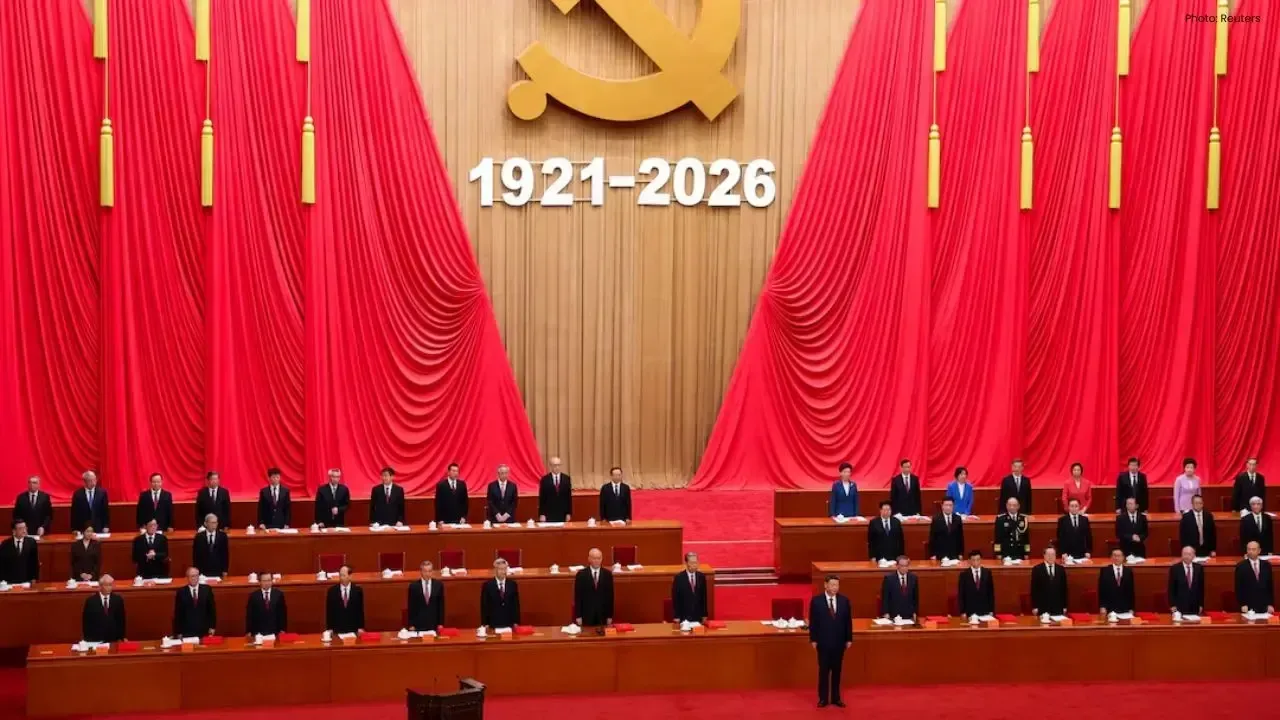
Anwar Congratulates Xi on CPC's 105th Anniversary
Malaysia reaffirms strong ties with China as PM Anwar Ibrahim sends a congratulatory letter to Presi

Thai Agriculture Team Reviews 2026 Farm Development Plans
Agriculture Ministry officials inspected livestock and organic rice projects in Nakhon Sawan to moni

Thailand, Canada Boost Ties in PM-Level Phone Talks
Thailand and Canada agreed to strengthen trade, security, OECD cooperation and ASEAN-Canada FTA talk