You have not yet added any article to your bookmarks!
Join 10k+ people to get notified about new posts, news and tips.
Do not worry we don't spam!
Post by : Anis Farhan
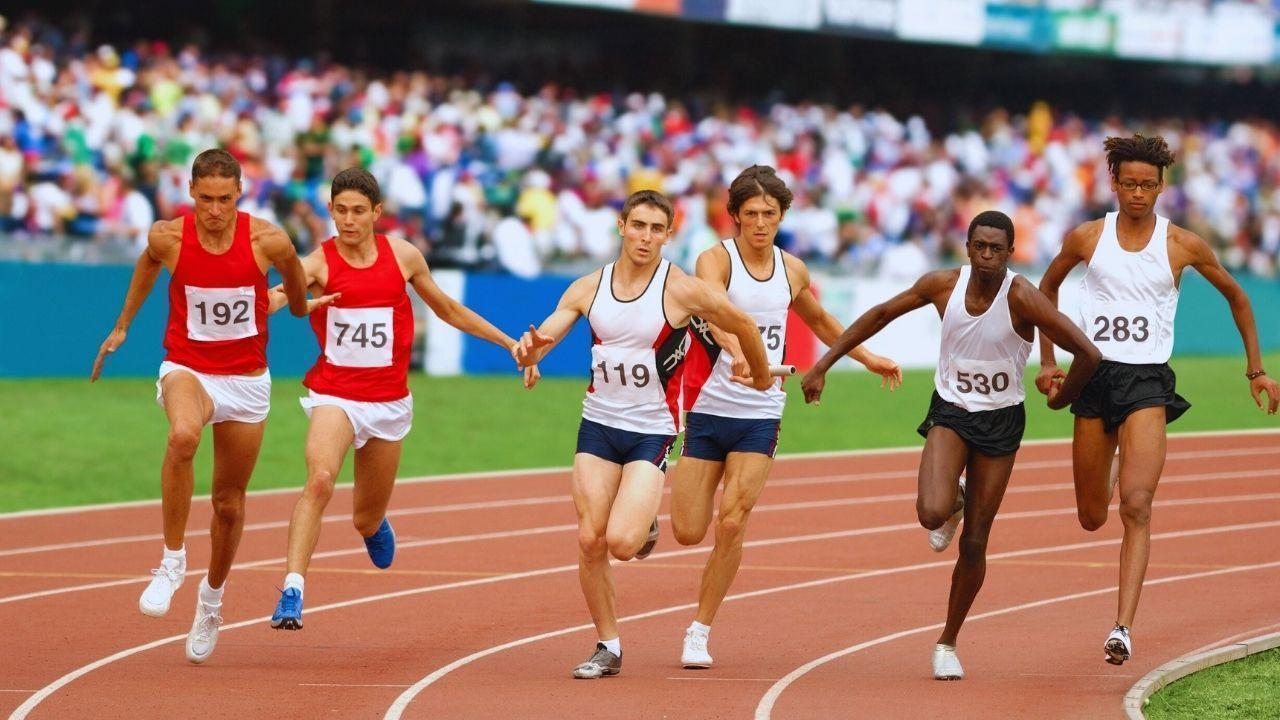
The Olympics are the pinnacle of athletic achievement, but success at this level is determined as much by the mind as by the body. Athletes train for years, mastering every movement, every tactic, and every nuance of their sport—but mental preparation often separates medalists from the rest.
The pressure to perform on a global stage, the scrutiny of millions of fans, and the expectation to deliver flawless performance can be overwhelming. Developing mental resilience, focus, and confidence is essential. Olympic athletes use a combination of strategies rooted in psychology, neuroscience, and sports science to prepare themselves mentally for peak performance.
While physical training builds strength, speed, and skill, mental preparation equips athletes to:
Manage Pressure: The Olympic stage can amplify stress. Mental training teaches athletes to stay calm under scrutiny.
Maintain Focus: Concentration during competition is critical; distractions can cost medals.
Recover from Setbacks: Injuries, mistakes, or failed attempts are inevitable. Mental strategies foster resilience.
Enhance Confidence: Believing in one’s ability to succeed is a strong predictor of performance outcomes.
In elite sports, the difference between gold and silver often lies in who can manage the mental game better.
One of the most common tools in an athlete’s mental toolkit is visualization.
Mental Rehearsal: Athletes imagine themselves performing routines, executing skills, or crossing the finish line. This strengthens neural pathways associated with the movements, improving performance even without physical practice.
Scenario Planning: Visualizing potential obstacles—such as a competitor overtaking them or unexpected weather—prepares athletes to react calmly and strategically.
Sensory Engagement: Top athletes visualize not just movement, but sounds, smells, and emotions associated with competition to make the mental rehearsal as realistic as possible.
Studies show that consistent visualization can improve precision, timing, and confidence.
Mindfulness practices help athletes stay present and reduce anxiety.
Breathing Exercises: Controlled breathing lowers heart rate, reduces stress, and improves focus before critical moments.
Guided Meditation: Audio or coach-led sessions help athletes visualize success and calm the nervous system.
Body Scans: By focusing attention on each body part, athletes can detect tension and release it, optimizing physical performance.
Olympic competitors often incorporate daily mindfulness sessions into their training routines, creating mental resilience over time.
CBT helps athletes identify negative thought patterns and replace them with constructive thinking.
Self-Talk: Positive affirmations combat self-doubt and reinforce confidence. Examples include “I am prepared” or “I execute perfectly under pressure.”
Goal Setting: Breaking complex performance objectives into achievable steps keeps athletes motivated and focused.
Stress Reframing: Athletes learn to view stress as an energizing force rather than a debilitating factor.
These techniques are particularly valuable during high-pressure moments, like penalty shootouts, gymnastics routines, or track sprints.
Elite athletes often use specific drills to enhance attention and reduce distraction:
Simulation Training: Replicating competition environments, including noise, crowd energy, or unexpected interruptions, conditions athletes to maintain focus.
Cue Words and Anchors: Using specific words, gestures, or actions helps athletes return to concentration when distractions occur.
Attention Control Drills: Practicing concentration under fatigue ensures athletes can perform even when physically and mentally taxed.
The ability to remain fully present during competition often distinguishes medalists from other finalists.
Olympic journeys are rarely linear; setbacks and failures are inevitable. Athletes develop resilience through:
Post-Performance Reflection: Analyzing errors constructively without self-blame.
Building Support Systems: Coaches, family, and sports psychologists provide emotional and strategic guidance.
Adaptation Strategies: Learning to pivot strategies when conditions change, such as adjusting to weather, opponents, or last-minute rule changes.
Resilient athletes view challenges as opportunities for growth rather than threats, maintaining motivation and persistence.
Sports psychologists are integral to mental preparation at the Olympic level. Their work includes:
Designing individualized mental training programs.
Teaching relaxation techniques and visualization exercises.
Assisting with performance anxiety management.
Monitoring mental fatigue and burnout risk.
Many top-tier national teams employ full-time sports psychologists to support athletes throughout training cycles and during major competitions.
Mental performance is closely tied to physical well-being.
Balanced Nutrition: Proper intake of carbohydrates, proteins, and micronutrients fuels the brain and nervous system.
Hydration: Dehydration can impair cognitive functions like focus and reaction time.
Sleep Optimization: Quality sleep enhances memory consolidation, stress recovery, and emotional regulation—critical during the Olympics.
Athletes often follow strict routines to ensure nutrition and rest complement their mental training.
Simone Biles (Gymnastics): Uses visualization, mindfulness, and controlled breathing to manage high-pressure routines.
Michael Phelps (Swimming): Combines visualization with self-talk and rigorous pre-race mental routines.
Naomi Osaka (Tennis): Integrates therapy, meditation, and stress-management techniques to maintain focus and mental health on the global stage.
These examples illustrate that mental preparation is as structured and deliberate as physical training.
Technology is playing an increasing role in mental preparation:
VR Simulation: Athletes practice in virtual replicas of Olympic venues.
Biofeedback Devices: Real-time monitoring of heart rate and brain waves helps regulate stress.
AI-Powered Coaching: Personalized cognitive exercises based on performance data optimize mental readiness.
These innovations allow athletes to enhance focus, resilience, and confidence systematically.
The mental game is as crucial as physical prowess in Olympic success. Techniques like visualization, mindfulness, CBT, focus training, and resilience building equip athletes to perform under the most intense pressure. By integrating mental preparation with physical training, modern Olympians maximize their potential, turning nerves into fuel, focus into precision, and pressure into gold.
Mental fortitude is not just a competitive advantage—it is the foundation on which Olympic dreams are realized.
This article is intended for informational purposes, highlighting mental preparation techniques for Olympic athletes. It does not represent the editorial stance of Newsible Asia.









Australia 50/3 After Bangladesh Bowled Out for 64 in Second Test
Australia reached 50/3 after Bangladesh were bowled out for 64 in the second Test, with Mitchell Sta

Jordan Burroughs Returns to Wrestling with 2028 Olympic Dream
Jordan Burroughs returns to wrestling with Real American Freestyle as the Olympic champion eyes a po

Lamborghini Catches Fire on Singapore's ECP, Causing Heavy Traffic
A Lamborghini caught fire on Singapore's ECP, causing heavy traffic and bus delays. No injuries were

Bangkok Airport Duty-Free Area Flooded by Pipe Burst
A burst water pipe flooded the duty-free shopping area at Bangkok's Suvarnabhumi Airport on July 16,

Nine Monks Killed in Thailand Pickup Truck Tragedy
An 11-year-old boy driving a pickup truck crashed into monks during a pilgrimage in northeastern Tha

Anwar Congratulates Xi on CPC's 105th Anniversary
Malaysia reaffirms strong ties with China as PM Anwar Ibrahim sends a congratulatory letter to Presi