
You have not yet added any article to your bookmarks!
Join 10k+ people to get notified about new posts, news and tips.
Do not worry we don't spam!
Post by : Maya Rahman
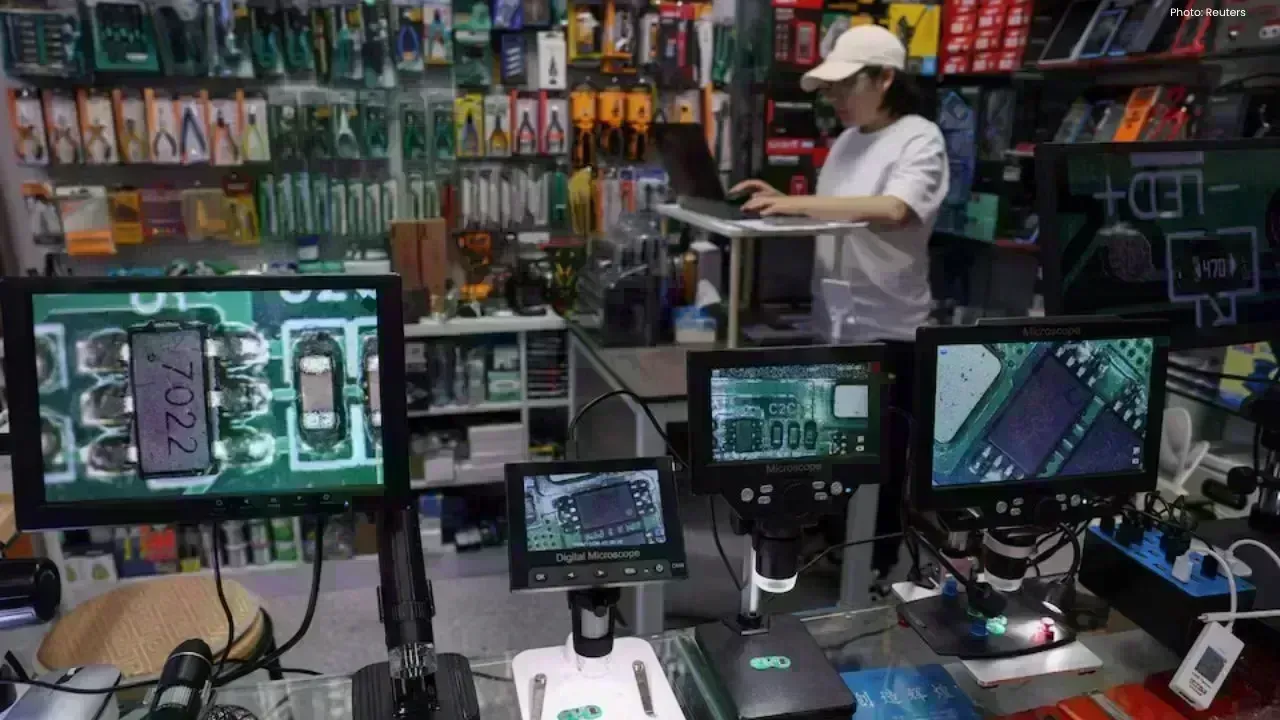
The tech sector is currently grappling with a significant global shortage of memory chips, which is affecting various industries, from artificial intelligence to consumer electronics. This scarcity has intensified competition among companies as they vie for the dwindling supplies of these crucial components. The cost of memory chips, which facilitate data storage, has seen a drastic increase. In Japan, some retailers are restricting the number of hard drives that customers can purchase, while Chinese smartphone manufacturers have issued warnings regarding rising costs. Major players like Microsoft, Google, and ByteDance are collaborating with chip manufacturers like Micron, Samsung Electronics, and SK Hynix to ensure a steady supply.
This shortage spans multiple memory types, including those used in smartphones and high-bandwidth memory (HBM) essential for AI processing. Data from market research firm TrendForce indicates that prices in certain categories have more than doubled since February. Speculation among traders suggests that this upward price trend may persist. Economists caution that this scarcity might hinder productivity advancements in AI and postpone significant digital infrastructure investments, potentially exacerbating inflation in an already strained economic environment.
The supply crisis stems from soaring demand for advanced memory types driven mainly by AI enterprises like Nvidia, Google, and Microsoft. Chip manufacturers are prioritizing high-margin products such as HBM, thereby restricting the availability of standard memory commodities for personal electronics. As an indication of the impact, inventory levels for DRAM—the primary memory type used in devices—have plummeted to a mere two to four weeks compared to eleven to seventeen weeks in late 2024.
According to SK Hynix, it is anticipated that this shortage may persist until late 2027. While major producers like Samsung and SK Hynix are working on expanding their production capabilities, meeting the rising demand will require time. OpenAI has signed contracts with these chip manufacturers to supply chips for its Stargate project, which anticipates a requirement that exceeds the current global HBM production by 2029.
Chinese tech giants like Alibaba, ByteDance, and Tencent are also requesting priority in memory chip allocations. In Tokyo, electronics retailers, including Ark, have imposed purchasing limits to deter stockpiling. The cost of 32GB DDR5 memory kits has surged from approximately ¥17,000 in October to over ¥47,000, while prices for 128GB kits have doubled to around ¥180,000.
Smartphone manufacturers such as Xiaomi and Realme are forewarning that elevated memory prices could necessitate price hikes of 20% to 30% for smartphones by mid-2026. PC manufacturers are also feeling the strain, with brands like ASUS reportedly maintaining only about four months of inventory. Distributors and traders are rapidly adapting to volatile price fluctuations, adjusting quotes frequently—sometimes multiple times a day. This shortage has even catalyzed a boom in the secondhand memory chip market as demand rises.
Overall, the ongoing global memory chip shortage is fundamentally reshaping the technology landscape, affecting AI projects, smartphones, PCs, and consumer electronics. The industry is contending with surging costs, limited supplies, and considerable pressure to secure vital components, and while production increases are on the horizon, solutions will require years to materialize.










PM Modi Pays Tribute to Mahatma Gandhi, Urges People to Support Khadi
PM Modi pays tribute to Mahatma Gandhi on Gandhi Jayanti and urges citizens to support Khadi and the

Amazon Seeks to Offload $8 Billion in Nvidia Chips to Investors
Amazon plans to move $8 billion in Nvidia chips to investors, using a new financing model to strengt

Samsung Raises Galaxy S26 Prices as Memory Chip Costs Rise
Samsung raises Galaxy S26 prices in South Korea as rising memory chip costs put pressure on smartpho

Lewis Hamilton Calls Singapore Grand Prix One of F1's Toughest Races
Lewis Hamilton discusses the demanding Singapore Grand Prix and brings Plus44 and Almave to Singapor

Denmark's Pandora Opens World's Largest Jewellery Factory in Vietnam
Pandora opens its largest jewellery factory in Vietnam, expanding global production, strengthening s

Gautam Gambhir Questions Batting-Friendly Pitches After India's Record ODI Chase
Gautam Gambhir questions batting-friendly ODI pitches after India’s record chase, calling for a bett

