You have not yet added any article to your bookmarks!
Join 10k+ people to get notified about new posts, news and tips.
Do not worry we don't spam!

Post by : Anis Farhan
The COVID-19 pandemic changed the way the world views health crises. For decades, outbreaks were seen as regional problems—affecting parts of Africa, Asia, or Latin America—until the virus proved that borders cannot contain diseases. Now, even illnesses like measles and dengue, which were once dismissed as seasonal or preventable, have gained renewed global attention. Countries are beginning to invest more heavily in preparedness, vaccination drives, surveillance systems, and community education. Pandemic awareness has shifted health from being a background policy area to one of the top global priorities.
Measles, long thought to be under control thanks to vaccines, is making a troubling comeback. In recent years, lapses in vaccination coverage—fueled by misinformation, economic instability, and healthcare disruptions—have opened the door for outbreaks. Parents delaying vaccinations during the pandemic years added to the vulnerability, and measles is once again a serious concern in many regions.
Similarly, dengue fever, spread by mosquitoes, has surged due to rapid urbanization, poor waste management, and climate change. Warmer temperatures and heavier rainfall have expanded mosquito breeding grounds, leading to record-breaking case numbers. Both diseases highlight how quickly the world’s fragile health systems can be tested, even when dealing with known illnesses.
The memory of COVID-19 has made people, communities, and governments more alert to the dangers of underestimating diseases. Global health awareness is no longer confined to specialists—it has entered daily conversations. People are more aware of terms like “outbreak,” “community spread,” and “herd immunity.”
This shared awareness has two major effects:
Faster Response: Communities are less likely to ignore symptoms or delay treatment.
Policy Pressure: Governments are under stronger pressure to maintain preparedness.
The shift means even outbreaks of diseases like measles or dengue, which might once have been overlooked, now generate faster international attention and calls for action.
Vaccination remains the strongest weapon against preventable diseases. The pandemic, however, disrupted immunization schedules for millions of children. Global health agencies now face the challenge of catching up while also fighting vaccine hesitancy.
Measles, with its high transmission rate, requires very high vaccine coverage to prevent outbreaks. Missing even a small percentage of children can create gaps that the disease exploits. Dengue vaccines exist but are complex, requiring targeted use in specific populations. The lesson from the pandemic is clear: strong and continuous vaccination programs cannot be neglected, even when attention is focused on newer threats.
One of the biggest factors driving dengue and other vector-borne diseases is climate change. Rising global temperatures and unpredictable rainfall patterns create ideal conditions for mosquitoes. Cities, especially in Asia and the Middle East, are already witnessing longer mosquito seasons and higher transmission risks.
Measles, although not climate-driven, also benefits indirectly from weakened health systems during natural disasters linked to climate change. Floods, heatwaves, and population displacements strain healthcare services, creating pockets of vulnerability where outbreaks thrive.
This intersection of climate and health shows why pandemic awareness cannot be limited to a single virus—it must be about broader resilience.
Another lesson from the COVID-19 era is the power of data and early warning. Real-time monitoring, genome sequencing, and public dashboards played a key role in controlling the spread. The same model is now being adapted for diseases like dengue and measles.
Digital health tools, mobile reporting apps, and AI-powered forecasting systems are helping authorities predict outbreaks before they spiral out of control. For example, tracking mosquito populations in urban centers or monitoring vaccination gaps in schools can provide early signals that help governments act sooner.
The pandemic showed that information is power—and the world is slowly building stronger surveillance systems to stay ahead.
A critical challenge is not only medical but also social: rebuilding trust in health systems. During COVID-19, misinformation spread almost as fast as the virus. Rumors, conspiracy theories, and fear undermined vaccination efforts and created divisions in communities.
For measles and dengue, trust is equally important. Parents must feel confident in vaccines; communities must believe that government advisories are reliable. Without trust, even the best health programs fall apart. Effective communication—clear, transparent, and culturally sensitive—is now recognized as a vital part of pandemic preparedness.
Pandemic awareness has reshaped international collaboration. Before COVID-19, health security was often seen as a national responsibility. Now, the interconnectedness of countries is undeniable. Measles spreading in one region can quickly appear elsewhere through travel. Dengue’s rise in tropical areas may expand as climate change shifts weather patterns.
The renewed focus on health cooperation includes:
Sharing vaccines and medical supplies during crises.
Coordinating travel advisories and border health checks.
Funding global health initiatives like the World Health Organization’s emergency programs.
Stronger alliances are necessary because no country can stand alone against diseases that move with people, animals, and changing environments.
Governments and global organizations play a crucial role, but communities remain the backbone of health security. From local vaccination drives to neighborhood clean-up campaigns against mosquito breeding, collective action makes the difference.
During the pandemic, many grassroots networks demonstrated their strength, from delivering food to the vulnerable to spreading accurate information. The same spirit is now being applied to measles and dengue prevention—showing that health security is not only about hospitals but also about community resilience.
The COVID-19 pandemic forced the world to rethink what matters most. Economic growth, travel freedom, and personal routines were all disrupted by a virus. Today, global health priorities are broader: they are about preventing disruptions before they happen.
This means:
Strengthening public health infrastructure to handle both pandemics and seasonal outbreaks.
Investing in research and vaccines for neglected diseases.
Improving education and awareness so that people take proactive steps.
Integrating climate resilience into health strategies.
Measles, dengue, and other diseases are part of this new mindset—constant reminders that health security is not optional but essential.
The resurgence of measles and dengue is a wake-up call. Pandemic awareness has created a global mindset shift, but awareness alone is not enough—it must translate into action. The way forward lies in balancing scientific innovation with social trust, global cooperation with local action, and preventive strategies with rapid response systems.
The hope is that the world’s painful lessons from COVID-19 will not be wasted. Instead, they can be transformed into a blueprint for resilience. If governments, communities, and individuals work together, future generations may inherit a world where diseases like measles and dengue are not crises but controlled challenges.
This article is intended for general informational purposes only. It does not replace professional medical advice, diagnosis, or treatment. Readers are encouraged to consult qualified healthcare professionals for personal health concerns.




Jordan Burroughs Returns to Wrestling with 2028 Olympic Dream
Jordan Burroughs returns to wrestling with Real American Freestyle as the Olympic champion eyes a po

Lamborghini Catches Fire on Singapore's ECP, Causing Heavy Traffic
A Lamborghini caught fire on Singapore's ECP, causing heavy traffic and bus delays. No injuries were

Bangkok Airport Duty-Free Area Flooded by Pipe Burst
A burst water pipe flooded the duty-free shopping area at Bangkok's Suvarnabhumi Airport on July 16,

Nine Monks Killed in Thailand Pickup Truck Tragedy
An 11-year-old boy driving a pickup truck crashed into monks during a pilgrimage in northeastern Tha
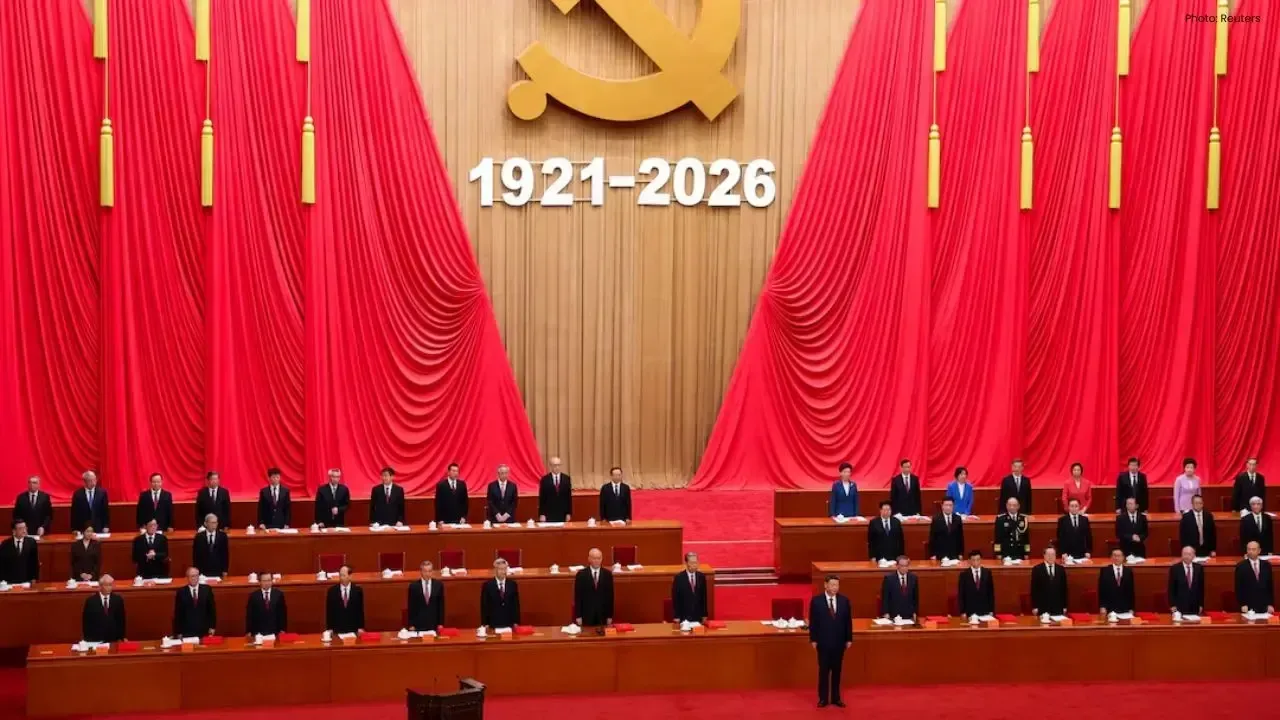
Anwar Congratulates Xi on CPC's 105th Anniversary
Malaysia reaffirms strong ties with China as PM Anwar Ibrahim sends a congratulatory letter to Presi
Thai Agriculture Team Reviews 2026 Farm Development Plans
Agriculture Ministry officials inspected livestock and organic rice projects in Nakhon Sawan to moni