You have not yet added any article to your bookmarks!
Join 10k+ people to get notified about new posts, news and tips.
Do not worry we don't spam!

Post by : Anis Farhan
Malaysia’s love for football runs deep, cutting across generations, regions, and languages. From packed local stadiums to late-night watch parties for international matches, football has long been more than a sport—it’s a cultural phenomenon. Now, as Asia gains prominence on the global football map, Malaysia’s sights are set on an ambitious goal: qualifying for the 2030 FIFA World Cup.
This dream, once seen as distant, now seems within reach. With new leadership in Malaysian football, better youth programs, and increased investment in infrastructure, the national team—popularly known as Harimau Malaya—is gradually rebuilding its identity and confidence. However, the road ahead is neither short nor smooth.
Over the last decade, Malaysia has made significant strides in both its domestic league and international rankings. The Malaysia Super League (MSL) has undergone structural reforms aimed at improving competitiveness, financial transparency, and player development. Clubs like Johor Darul Ta’zim (JDT) have set new benchmarks by investing in world-class facilities and professional management, serving as a model for others.
In recent FIFA rankings, Malaysia has hovered between the 130s and 140s—still far from the World Cup threshold but indicative of steady improvement. The team’s performances in regional tournaments like the AFF Cup and Asian Cup qualifiers have showcased flashes of brilliance, with younger talents showing potential to transform the national setup in the coming years.
Yet, to reach World Cup qualification, consistency—not just passion—will define success.
One of the most crucial pillars for Malaysia’s football evolution lies in its youth development. The National Football Development Programme (NFDP), launched under the Ministry of Youth and Sports, has started producing promising players trained under international-standard coaching. The program’s focus on long-term player development, nutrition, and tactical understanding is beginning to bear fruit.
Furthermore, academies linked with clubs like JDT, Selangor FC, and Kedah Darul Aman have become breeding grounds for future stars. International collaborations with European clubs have also opened doors for Malaysian youngsters to train abroad, gaining invaluable exposure to high-level football culture.
However, to truly compete with nations like Japan, South Korea, or even emerging Southeast Asian rivals such as Vietnam and Thailand, Malaysia must expand its scouting networks, professionalize local coaching structures, and retain homegrown talents who often seek opportunities abroad too early.
Modern football thrives on facilities as much as talent. Recognizing this, Malaysia has been investing heavily in sports infrastructure. The Bukit Jalil National Stadium—one of Asia’s largest—has been upgraded for international standards, while regional stadiums in Johor, Penang, and Sabah are undergoing renovations to host competitive fixtures and training camps.
In addition to stadiums, state-of-the-art training centers have emerged, equipped with sports science labs, video analysis rooms, and rehabilitation suites. Such facilities are crucial in nurturing a generation of physically and mentally resilient athletes.
Private investors, inspired by JDT’s success model, are also realizing football’s commercial potential. Sponsorships, merchandising, and broadcast rights are gradually creating a sustainable ecosystem. However, financial discipline, transparency, and long-term vision remain key to avoiding pitfalls that plagued Malaysian football in the past.
Malaysia’s coaching setup has seen numerous transitions over the years. Foreign coaches like Kim Pan-Gon have injected professionalism and tactical structure into the national team. Under his guidance, Malaysia’s playing style has become more disciplined, with emphasis on compact defense and structured transitions.
Still, Malaysia faces a long-term challenge: producing world-class local coaches. Relying on foreign expertise can bring short-term gains, but sustained success requires homegrown tactical minds who understand local players and conditions intimately. The Football Association of Malaysia (FAM) has already initiated coaching education programs to address this gap, yet the results will take time.
Investing in coaching certification and international exposure for local tacticians could be one of the most valuable long-term strategies on the road to 2030.
Asia’s footballing landscape has evolved dramatically. Powerhouses like Japan, South Korea, Iran, and Saudi Arabia consistently dominate, while nations such as Qatar and Australia (since joining the AFC) have raised the bar further.
Closer to home, Southeast Asian teams like Vietnam and Thailand have shown how structured planning, government support, and strong domestic leagues can elevate national football to global standards. Both nations have come close to reaching final qualification rounds in recent World Cup campaigns.
For Malaysia, this presents a dual reality: the pathway is extremely challenging, but it’s not impossible. The same principles—long-term planning, grassroots investment, and competitive exposure—can propel Harimau Malaya into serious contention by 2030.
Malaysia’s football fanbase is among the most loyal in Asia. The atmosphere at Bukit Jalil during home matches is electric, with chants, drums, and flags painting a sea of yellow and blue. Fans’ emotional connection with the team is both a strength and a challenge; it drives players to perform but also creates pressure for immediate results.
To sustain enthusiasm, football authorities must maintain transparency, involve fans in initiatives, and celebrate small milestones along the journey. The dream of reaching the World Cup should be a collective movement, uniting citizens behind a shared sporting identity.
Football, after all, is a mirror of national spirit—and few nations display that spirit as passionately as Malaysia.
While men’s football dominates headlines, women’s football in Malaysia is quietly growing. The formation of women’s leagues, increased participation at school levels, and government-backed initiatives have created a platform for female athletes. Encouraging more investment, visibility, and coaching for women’s football could help Malaysia emerge as a dual-gender football nation—something FIFA increasingly rewards through development grants and global attention.
Building parallel strength in women’s football not only enhances inclusivity but also broadens the country’s footballing identity internationally.
Despite progress, several hurdles remain on Malaysia’s path to the World Cup:
Inconsistency in Performance: The national team often struggles to maintain momentum between tournaments.
Financial Constraints: Smaller clubs still face funding shortages, affecting player wages and facility upkeep.
Administrative Issues: Bureaucratic hurdles and occasional mismanagement have slowed reforms in the past.
Player Retention: Many young talents switch careers or leave football early due to limited financial security.
Limited Exposure: Playing fewer high-intensity international friendlies restricts player development.
Addressing these issues requires a united effort between the FAM, government, and private stakeholders.
While direct qualification for the 2030 FIFA World Cup remains an ambitious target, incremental milestones are crucial. Malaysia’s short-term objectives should include consistent qualification for the Asian Cup, improved FIFA ranking into the top 100, and more players featuring in international leagues.
The long-term vision should not only aim for qualification but for sustainable footballing excellence—where success isn’t a one-off miracle but a continuous evolution of standards.
With Asia likely to receive more qualifying slots for 2030 due to FIFA’s expanded format, Malaysia’s chances improve, provided preparation begins now.
Malaysia’s dream of reaching the World Cup is not a fantasy—it’s a challenge fueled by hope, heart, and hard work. Every new training center, every youth program, and every competitive match is a step forward. While the Harimau Malaya still have a long way to go, the trajectory is promising.
As 2030 approaches, Malaysia’s footballing journey represents something greater than sport—it’s a symbol of national progress, unity, and ambition. The roar of the Malaysian tiger may not yet echo across World Cup stadiums, but with persistence, it soon might.
The insights and information presented in this article are based on available data and projections as of October 2025. Developments in Malaysian football, league structures, and FIFA qualification formats may evolve in the coming years. Readers are encouraged to follow official FAM announcements and sports updates for the latest progress reports.








Jordan Burroughs Returns to Wrestling with 2028 Olympic Dream
Jordan Burroughs returns to wrestling with Real American Freestyle as the Olympic champion eyes a po

Lamborghini Catches Fire on Singapore's ECP, Causing Heavy Traffic
A Lamborghini caught fire on Singapore's ECP, causing heavy traffic and bus delays. No injuries were

Bangkok Airport Duty-Free Area Flooded by Pipe Burst
A burst water pipe flooded the duty-free shopping area at Bangkok's Suvarnabhumi Airport on July 16,

Nine Monks Killed in Thailand Pickup Truck Tragedy
An 11-year-old boy driving a pickup truck crashed into monks during a pilgrimage in northeastern Tha
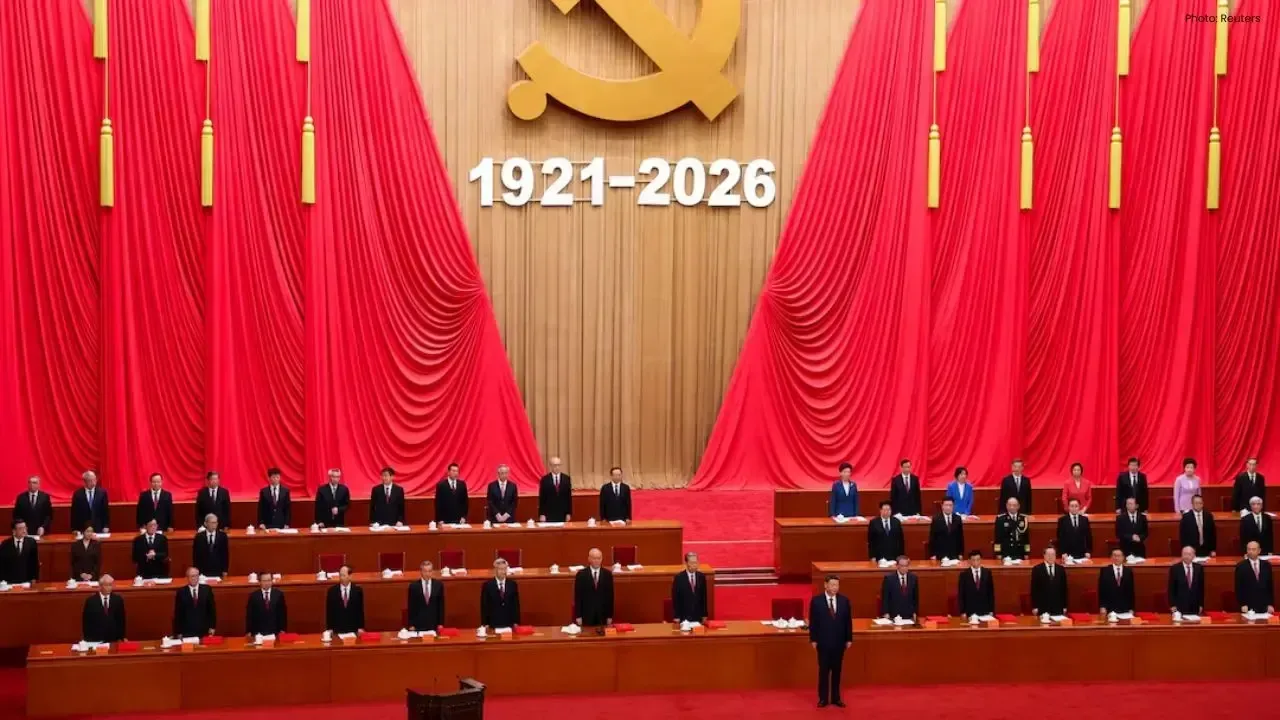
Anwar Congratulates Xi on CPC's 105th Anniversary
Malaysia reaffirms strong ties with China as PM Anwar Ibrahim sends a congratulatory letter to Presi
Thai Agriculture Team Reviews 2026 Farm Development Plans
Agriculture Ministry officials inspected livestock and organic rice projects in Nakhon Sawan to moni