You have not yet added any article to your bookmarks!
Join 10k+ people to get notified about new posts, news and tips.
Do not worry we don't spam!
Post by : Anis Farhan
Photo: Reuters
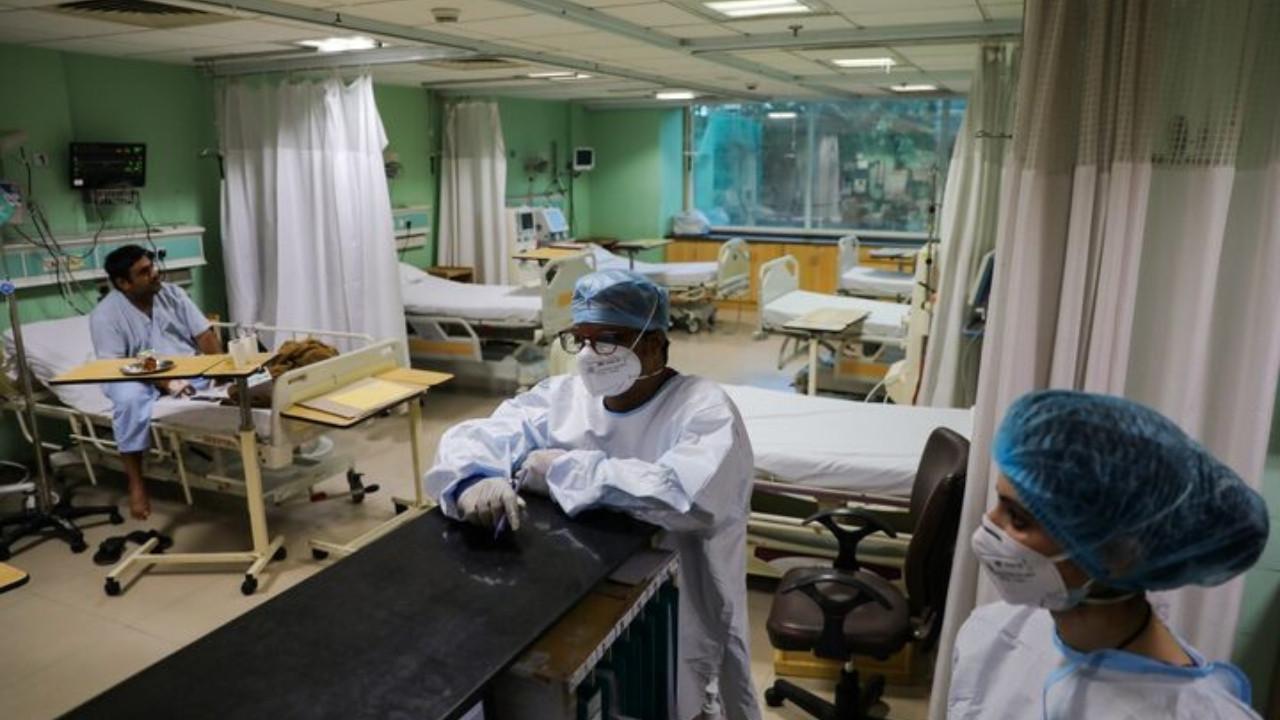
In most countries, healthcare systems are often designed with cities in mind. Urban centers usually have advanced hospitals, specialized doctors, and state-of-the-art facilities. However, the same cannot be said for rural regions, where millions of people continue to face limited or no access to quality healthcare. For young people growing up in these areas, the consequences are devastating—ranging from untreated illnesses to restricted opportunities for education and personal growth.
The divide between rural and urban healthcare has become more than just a geographical issue; it is now a matter of inequality. Youth between 15 and 30 are particularly vulnerable because these are the years when health directly influences productivity, education, and career prospects. While city dwellers can take basic services for granted, rural youth often face long journeys, high costs, or poor treatment standards. This article dives deep into how this healthcare gap impacts young lives, why it persists, and what can be done to change the narrative.
Healthcare inequality between urban and rural areas exists in nearly every country, regardless of income level. According to global health surveys, rural residents often have fewer hospitals per capita, limited access to pharmacies, and a shortage of trained medical professionals. In some cases, there may be only one doctor serving several thousand people.
Young people in rural areas face the consequences most severely. Basic services like vaccinations, reproductive health support, and mental health counseling are often unavailable. Emergencies such as accidents, childbirth complications, or infectious diseases become life-threatening simply because the nearest hospital is hours away. This unequal access creates a cycle of disadvantage, where poor health leads to fewer opportunities for education and work.
Youth require healthcare at critical stages of growth—adolescence, higher education, and early adulthood. Each of these phases brings unique health needs. For example:
Adolescents need proper nutrition, vaccinations, and guidance on reproductive health.
University-age students often struggle with mental health, stress, and substance abuse risks.
Young professionals require preventive care, workplace health services, and family planning support.
When these services are absent, youth face long-term consequences. Chronic illnesses go undiagnosed, reproductive health issues lead to complications, and mental health struggles remain hidden. This not only weakens individual potential but also holds back rural communities from progressing socially and economically.
Shortage of Medical Professionals
Doctors, nurses, and specialists are more concentrated in urban centers. Rural postings are often seen as unattractive due to lower salaries, limited resources, and lack of growth opportunities.
Infrastructure Gaps
Many rural clinics lack basic equipment like X-ray machines, testing labs, or even reliable electricity and internet. Without proper facilities, even skilled doctors cannot deliver effective care.
Transportation Challenges
Poor road connectivity and limited public transport make reaching healthcare centers difficult. In emergencies, delays often cost lives.
Financial Inequality
Rural populations often have lower incomes, making healthcare unaffordable. The absence of insurance coverage further widens the gap.
Cultural and Social Stigma
In some communities, seeking treatment—particularly for mental health or reproductive issues—is stigmatized. Youth may avoid care altogether due to societal pressures.
While physical health is often the focus, mental health challenges among rural youth are frequently overlooked. Depression, anxiety, and stress are rising globally, yet rural regions rarely have psychiatrists, counselors, or even awareness programs. Young people dealing with trauma, academic pressure, or unemployment have no safe outlet. The lack of professional support often leads to substance abuse, violence, or in severe cases, suicide.
Health and education are deeply connected. A young person dealing with untreated illness cannot focus on studies. Frequent absences from school due to poor health also limit academic progress. In turn, limited education reduces career opportunities, creating a cycle where rural youth are trapped in disadvantage. For those who do make it to higher education, untreated health issues can still hold them back in competitive environments where wellness plays a key role in performance.
The problem is not confined to one country or region.
In India, rural areas face a severe shortage of doctors, with many relying on underqualified practitioners.
In Africa, rural communities often have to depend on NGOs and mobile clinics for basic medical services.
Even in developed nations like the United States, rural counties face declining hospital numbers, leaving communities underserved.
These examples highlight that rural healthcare inequality is a global challenge requiring global attention.
Mobile Healthcare Units
Traveling clinics equipped with doctors and diagnostic tools can reach remote areas regularly.
Telemedicine Services
With increasing internet penetration, telehealth platforms can connect rural patients with urban doctors, reducing travel and costs.
Incentives for Rural Doctors
Governments can encourage medical professionals to work in rural areas by offering higher pay, housing benefits, or career advancement opportunities.
Community Health Workers
Training local youth as basic health workers can improve early detection and awareness within communities.
Awareness Campaigns
Educating rural youth about preventive healthcare, nutrition, and mental well-being can empower them to take control of their health.
Public-Private Partnerships
Collaborations between governments, NGOs, and private hospitals can expand rural health infrastructure more effectively than government efforts alone.
Young people are not just victims of healthcare inequality; they can also be changemakers. Rural youth groups have successfully launched awareness drives, health camps, and peer counseling initiatives in several regions. With proper support and training, youth can become advocates for health rights, pushing governments and organizations to take action.
Technology-driven youth entrepreneurs are also stepping in, creating affordable telemedicine apps and community health solutions. Their involvement is crucial to reimagining healthcare delivery in places where traditional systems fall short.
The lack of quality healthcare in rural areas is not just a medical problem—it is a social, economic, and human rights issue. For young people, this inequality limits opportunities and creates lifelong challenges. If societies truly want to empower their youth, healthcare access must be treated as a fundamental right, not a privilege reserved for cities.
The path forward lies in innovation, investment, and inclusion. Mobile units, telemedicine, better infrastructure, and youth-driven initiatives can bring hope to millions. The ultimate goal must be to create a future where no young person’s health—and therefore future—is compromised simply because of where they were born.
This article is for informational purposes only and should not be considered medical advice. Readers are encouraged to consult healthcare professionals for specific concerns.







Jordan Burroughs Returns to Wrestling with 2028 Olympic Dream
Jordan Burroughs returns to wrestling with Real American Freestyle as the Olympic champion eyes a po

Lamborghini Catches Fire on Singapore's ECP, Causing Heavy Traffic
A Lamborghini caught fire on Singapore's ECP, causing heavy traffic and bus delays. No injuries were

Bangkok Airport Duty-Free Area Flooded by Pipe Burst
A burst water pipe flooded the duty-free shopping area at Bangkok's Suvarnabhumi Airport on July 16,

Nine Monks Killed in Thailand Pickup Truck Tragedy
An 11-year-old boy driving a pickup truck crashed into monks during a pilgrimage in northeastern Tha
Anwar Congratulates Xi on CPC's 105th Anniversary
Malaysia reaffirms strong ties with China as PM Anwar Ibrahim sends a congratulatory letter to Presi
Thai Agriculture Team Reviews 2026 Farm Development Plans
Agriculture Ministry officials inspected livestock and organic rice projects in Nakhon Sawan to moni