
You have not yet added any article to your bookmarks!
Join 10k+ people to get notified about new posts, news and tips.
Do not worry we don't spam!
Post by : Shakul
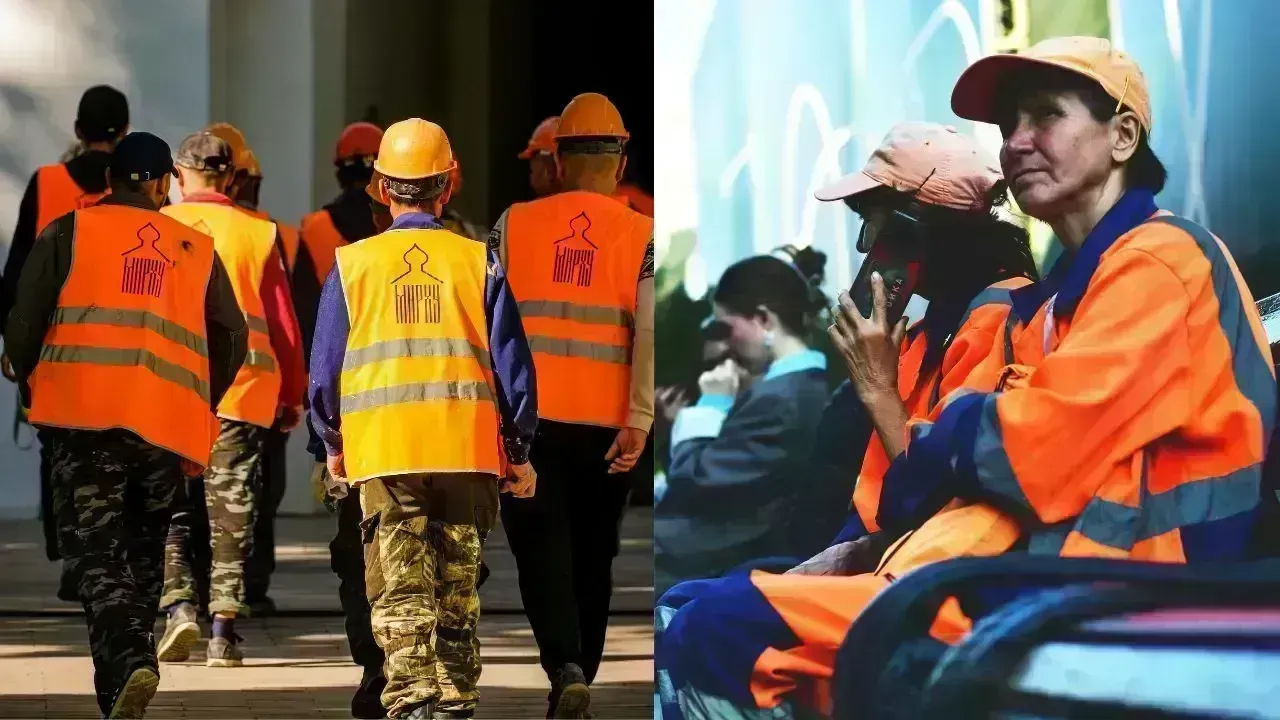
Jakarta continues to attract thousands of newcomers after the Eid holiday, with job-seeking identified as the primary driver behind the migration surge.
According to data from the city’s Population and Civil Registry Office (Dukcapil), nearly 35 percent of new arrivals come to the capital in search of employment. The trend highlights Jakarta’s enduring appeal as Indonesia’s economic hub, offering broader job opportunities compared to other regions.
Denny Wahyu Haryanto, head of Dukcapil, stated that most newcomers fall within the productive age group of 15 to 64 years, accounting for more than three-quarters of arrivals. This demographic trend reinforces the view that migration is largely driven by economic aspirations.
Family-related reasons ranked second among migration factors, followed by job transfers, housing needs, and education. However, employment remains the dominant motivation, particularly among individuals seeking opportunities in the informal sector.
The data also shows that a significant portion of migrants have relatively low educational backgrounds, with nearly 79 percent holding a high school diploma or lower. Many are estimated to belong to lower-income groups and rely on informal jobs such as daily wage labor, small trading, and service work.
Jakarta’s well-developed infrastructure and access to essential public services—including transportation, healthcare, and education—continue to act as strong pull factors. These conveniences make the capital a preferred destination for people from rural and semi-urban areas.
However, the rapid influx also presents challenges. Around one-fifth of newcomers reportedly settle in densely populated or underdeveloped areas, including slums and neighborhoods on the city’s outskirts. This raises concerns about urban planning, housing shortages, and the need for better resource management.
Authorities say the migration data will be used to design targeted policies, particularly in strengthening micro, small, and medium enterprises (MSMEs) and formalizing informal sector jobs through skill development and training programs.
As Indonesia’s capital maintains its position as an economic magnet, officials face the ongoing task of balancing growth opportunities with sustainable urban development.
#Indonesia News #Global #Employment #Society and Lifestyle #Economy









APEC Members Emphasise Safe and Responsible Use of Artificial Intelligence
APEC members discuss responsible AI use, digital innovation and data governance as China and the US

Union of European Clubs Challenge UEFA and EFC Over EU Competition Rules
UEC files an EU competition complaint against UEFA and EFC, challenging club representation, governa

Mohammed Shami Retires From Test Cricket, Eyes White-Ball Career
Mohammed Shami retires from Test cricket after 13 years, with 229 wickets. He will continue playing

Singapore Warns Users About Privacy and Security Risks of AI Agents
Singapore warns users about AI agent security risks, data privacy, online scams and unauthorised acc

Chris Lynn Completes One-Month Ban After Positive Cocaine Test
Australian cricketer Chris Lynn completes a one-month ban after a positive cocaine test during the T

Djokovic Eyes Strong Season Finish as Health Improves Ahead of Paris Masters
Novak Djokovic reports improved health and performance as he targets a strong Paris Masters finish a