You have not yet added any article to your bookmarks!
Join 10k+ people to get notified about new posts, news and tips.
Do not worry we don't spam!
Post by : Saif Rahman
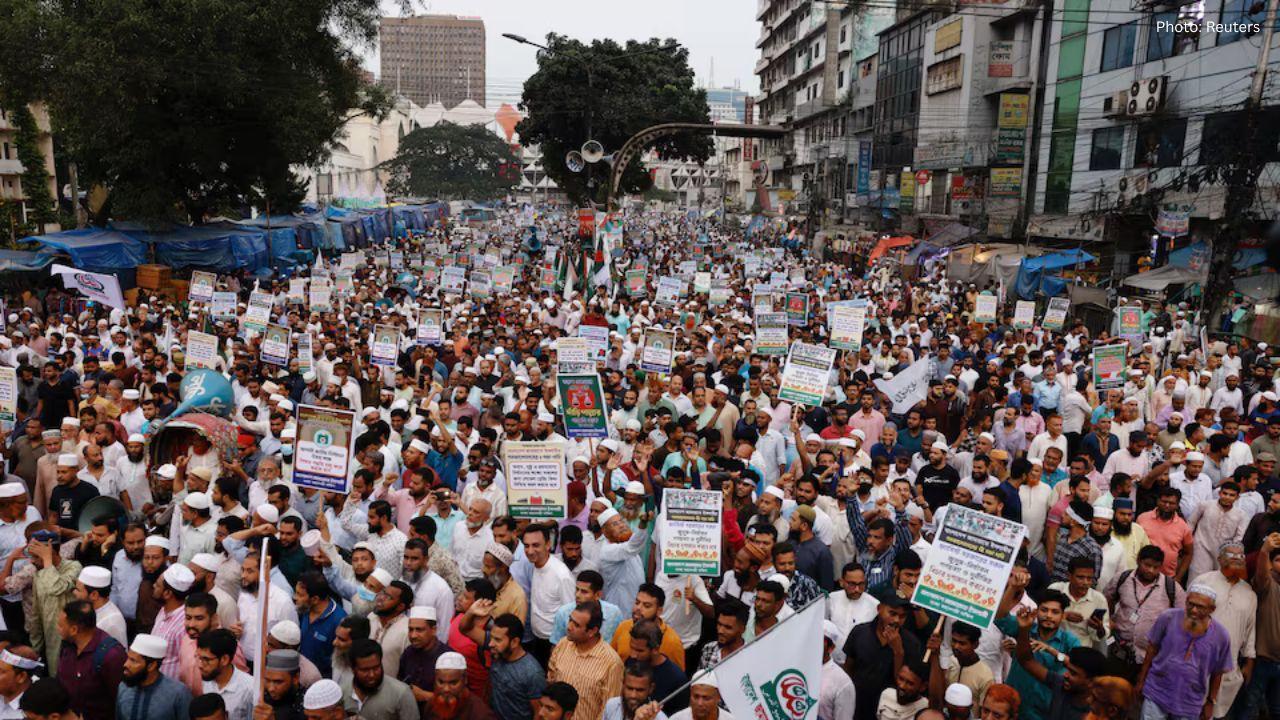
As Bangladesh gears up for its parliamentary elections on February 12, a significant political development has emerged with Jamaat-e-Islami's potential return to the political fold. Once excluded from elections, the Islamist party is indicating readiness to form a unity government following the polls.
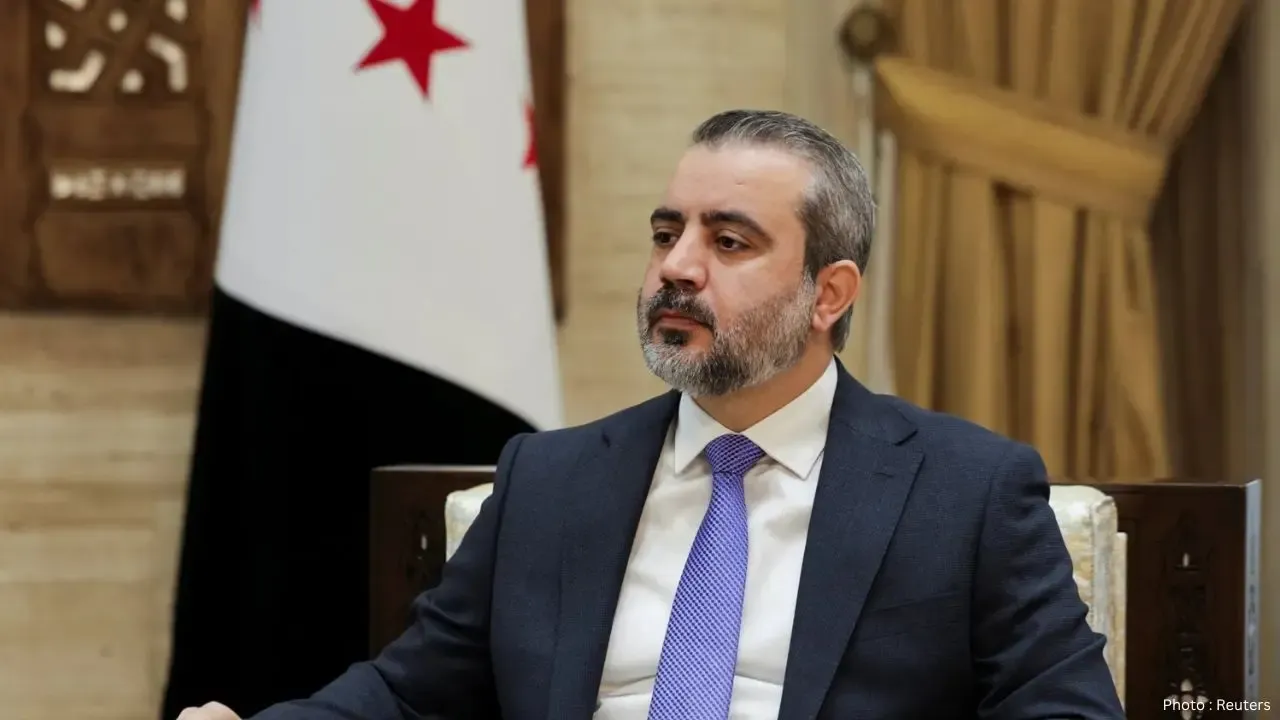
In a discussion with Reuters, Jamaat-e-Islami leader Shafiqur Rahman revealed that preliminary talks have occurred with various political entities. He emphasized the imperative for stability over the next five years, suggesting that collaborative governance could achieve this aim. Rahman stated that should parties find common ground, they should unite to govern effectively.
Current opinion polls suggest Jamaat-e-Islami may secure a second-place finish, closely trailing the Bangladesh Nationalist Party (BNP). This upcoming national vote marks Jamaat's return to the electoral arena after nearly 17 years in the sidelines of Bangladesh’s vibrant political landscape.
Previously, Jamaat partnered with the BNP in a coalition from 2001 to 2006. Rahman expressed openness to renew this collaboration but insisted that a unity government must center on combating corruption—a pressing public demand.
Notably, Rahman clarified that the party with the highest seat count would determine the prime ministerial candidate, including himself potentially stepping into that role.
The political climate in Bangladesh has shifted dramatically, particularly after Prime Minister Sheikh Hasina was ousted in August 2024 during a youth-led uprising. The Awami League's current prohibition from participation further alters the political landscape in a nation of approximately 175 million.
After a 2013 court ruling, Jamaat had been barred from elections until an interim government under Muhammad Yunus reinstated its political eligibility in August 2024, marking its comeback.
In addition to its domestic agenda, Jamaat aims to maintain balanced foreign relations, as emphasized by Rahman’s earlier meetings with an Indian diplomat. He highlighted the need for transparent ties with all nations and a neutral stance toward any single country.
Rahman remarked that Jamaat might face challenges working with President Mohammed Shahabuddin, who previously received backing from the Awami League and has signaled a willingness to exit office early.
As the February elections approach, Jamaat-e-Islami’s renewed presence forms a critical aspect of Bangladesh's evolving political dynamics. The outcomes will undeniably influence the nation’s political trajectory moving forward.
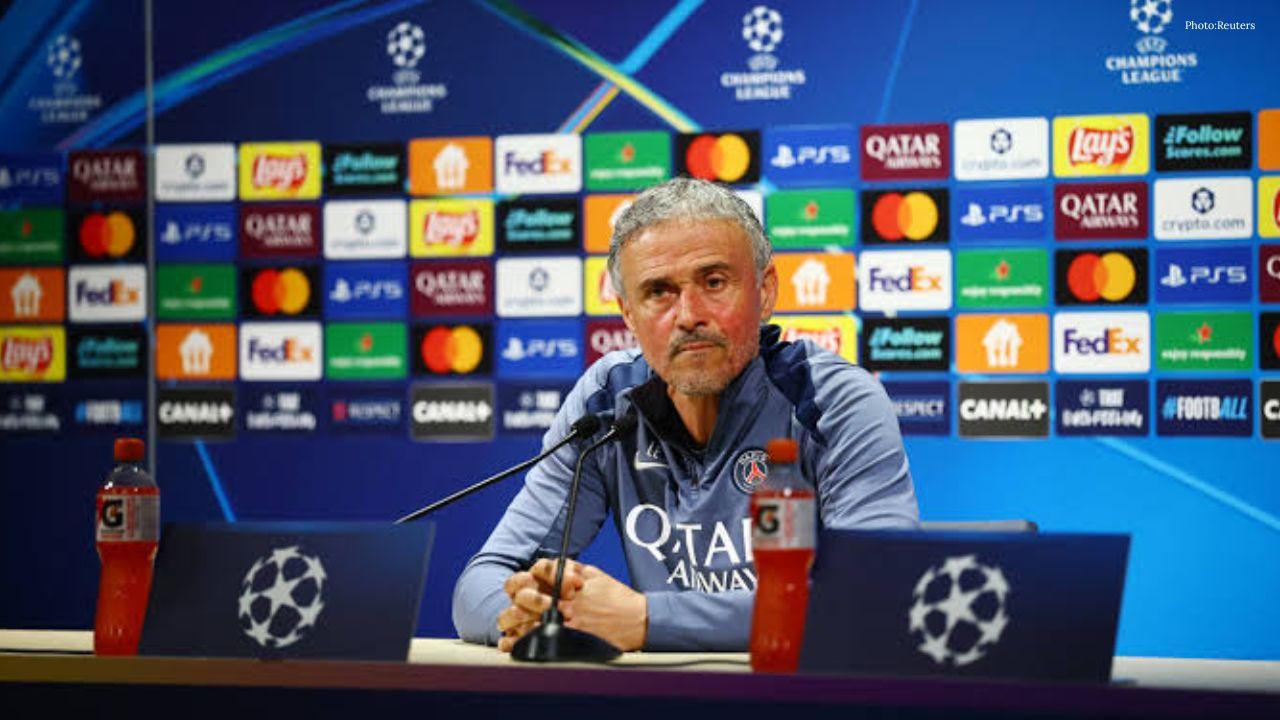







PSG Coach Luis Enrique Urges Players to Step Outside Comfort Zone
PSG coach Luis Enrique says players must leave their comfort zone and keep improving as the club tar

China’s Tiangong Sets New 400m Record at Robot Olympics
China’s Tiangong robot sets a new 400m record at the Robot Olympics, beating a South African robot i

George Russell Wins Dutch GP Sprint, Boosts Mercedes Morale
George Russell wins the Dutch GP Sprint from pole as Mercedes teammate Kimi Antonelli extends his F1

Australia 50/3 After Bangladesh Bowled Out for 64 in Second Test
Australia reached 50/3 after Bangladesh were bowled out for 64 in the second Test, with Mitchell Sta

Jordan Burroughs Returns to Wrestling with 2028 Olympic Dream
Jordan Burroughs returns to wrestling with Real American Freestyle as the Olympic champion eyes a po

Lamborghini Catches Fire on Singapore's ECP, Causing Heavy Traffic
A Lamborghini caught fire on Singapore's ECP, causing heavy traffic and bus delays. No injuries were