
You have not yet added any article to your bookmarks!
Join 10k+ people to get notified about new posts, news and tips.
Do not worry we don't spam!
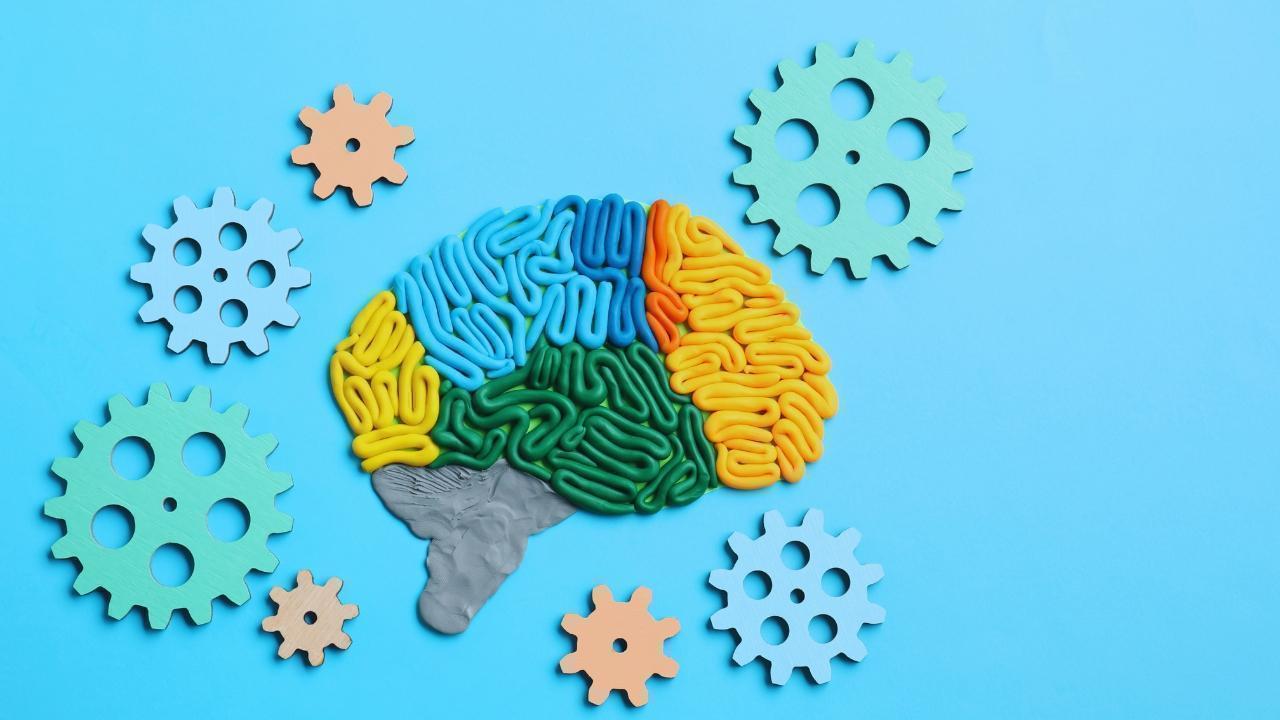
Post by : Anis Farhan
Aging isn’t just a matter of gray hair or creaky joints. It’s now clear that our brains age too—and some faster than our bodies. Worse, this acceleration may signal future cognitive trouble. But recent science offers hope: new ways to measure brain age, plus insights into factors that may help slow it down.
Scientists are using clever biomarkers to track brain aging. A Nature study identified 13 proteins in the blood that indicate how fast brain tissue is aging compared to the rest of the body. And at USC, researchers introduced an AI model that analyzes MRI scans to assess brain age. Their tool showed people with faster brain aging had a higher risk of cognitive impairment.
These AI methods are promising. They work non-invasively and reveal brain decline even before symptoms appear. This means doctors might one day forecast dementia risk years in advance.
Not all brains age at the same rate. A large UK Biobank study—covering over 40,000 adults—found genes linked to brain aging differ by sex. In women, genes tied to neurotransmitter transport and mitochondrial stress showed stronger effects. In men, immune and inflammation-related genes were more strongly associated. Another study from UCSF in mice revealed a “silent” X chromosome activates in aging females, strengthening brain connections and slowing cognitive decline. This may explain why, on average, women’s brains fare better later in life.
These findings suggest future treatments might be tailored—not just by genetic risk, but by sex—advancing personalized brain care.
Notably, researchers found aging isn’t uniform across the brain. Studies in mice at the Allen Institute show aging-related changes concentrate in the hypothalamus—an inflammation hotspot that affects metabolism and energy balance. Also, certain glial cells age faster, especially in people at risk of Alzheimer’s. Finally, a structure called the “blue spot” in the brainstem (locus coeruleus), which controls attention and memory, grows neuromelanin in middle age but declines after 60—higher early peaks are linked to better midlife cognition.
Together, these insights highlight how local brain aging can drive broader cognitive decline—and open doors to targeted interventions.
While genetics and biology matter, lifestyle plays a big part. A Swedish study using AI brain scans tied high blood pressure, diabetes, stroke and inactivity to brains that look older than their years. Conversely, regular exercise, quality sleep, healthy heart habits and mental challenges were linked to a younger-looking brain. Another JAMA-based study connected optimal cardiovascular habits—including diet, sleep, and nonsmoking—with lower levels of neurofilament light chain, a key neurodegeneration marker.
This all points to a message we’ve heard before: treat your body well, and your brain will thank you.
Blood-based proteomic tests may join MRI and AI scans soon. These tests measure proteins that reflect real-time aging of organs—including the brain—and cost around $400–$800. Once clinically validated, they might guide personalized interventions like diet, exercise, or cognitive training. Meanwhile, genetic and epigenetic markers—like DNA methylation clocks—track brain age acceleration, linking to Alzheimer’s risk.
Scientists are also exploring drugs. A UK Biobank study found seven genes tied to faster brain aging—and hinted at 13 existing medicines that might slow it down.
If you're wondering, "Is my brain aging faster than me?" there are signs to consider. With emerging tools like blood biomarkers, MRI‑based AI, and proteomic tests, you could soon get more accurate brain health assessments. Meanwhile, lifestyle choices remain vital—exercise, sleep, heart health and mental stimulation may truly help preserve cognitive function.
In short, our brains age in measurable ways—but we may also hold the keys to slowing that process. Personalizing brain health strategies—based on genetics, sex, and biomarkers—promises a smarter, kinder approach to aging.
This article has been prepared by Newsible Asia purely for informational and editorial purposes. The information is based on publicly available sources as of June 2025 and does not constitute financial, medical, or professional advice.










PM Modi Pays Tribute to Mahatma Gandhi, Urges People to Support Khadi
PM Modi pays tribute to Mahatma Gandhi on Gandhi Jayanti and urges citizens to support Khadi and the

Amazon Seeks to Offload $8 Billion in Nvidia Chips to Investors
Amazon plans to move $8 billion in Nvidia chips to investors, using a new financing model to strengt

Samsung Raises Galaxy S26 Prices as Memory Chip Costs Rise
Samsung raises Galaxy S26 prices in South Korea as rising memory chip costs put pressure on smartpho

Lewis Hamilton Calls Singapore Grand Prix One of F1's Toughest Races
Lewis Hamilton discusses the demanding Singapore Grand Prix and brings Plus44 and Almave to Singapor

Denmark's Pandora Opens World's Largest Jewellery Factory in Vietnam
Pandora opens its largest jewellery factory in Vietnam, expanding global production, strengthening s

Gautam Gambhir Questions Batting-Friendly Pitches After India's Record ODI Chase
Gautam Gambhir questions batting-friendly ODI pitches after India’s record chase, calling for a bett

