You have not yet added any article to your bookmarks!
Join 10k+ people to get notified about new posts, news and tips.
Do not worry we don't spam!
Post by : Mikael Ariff
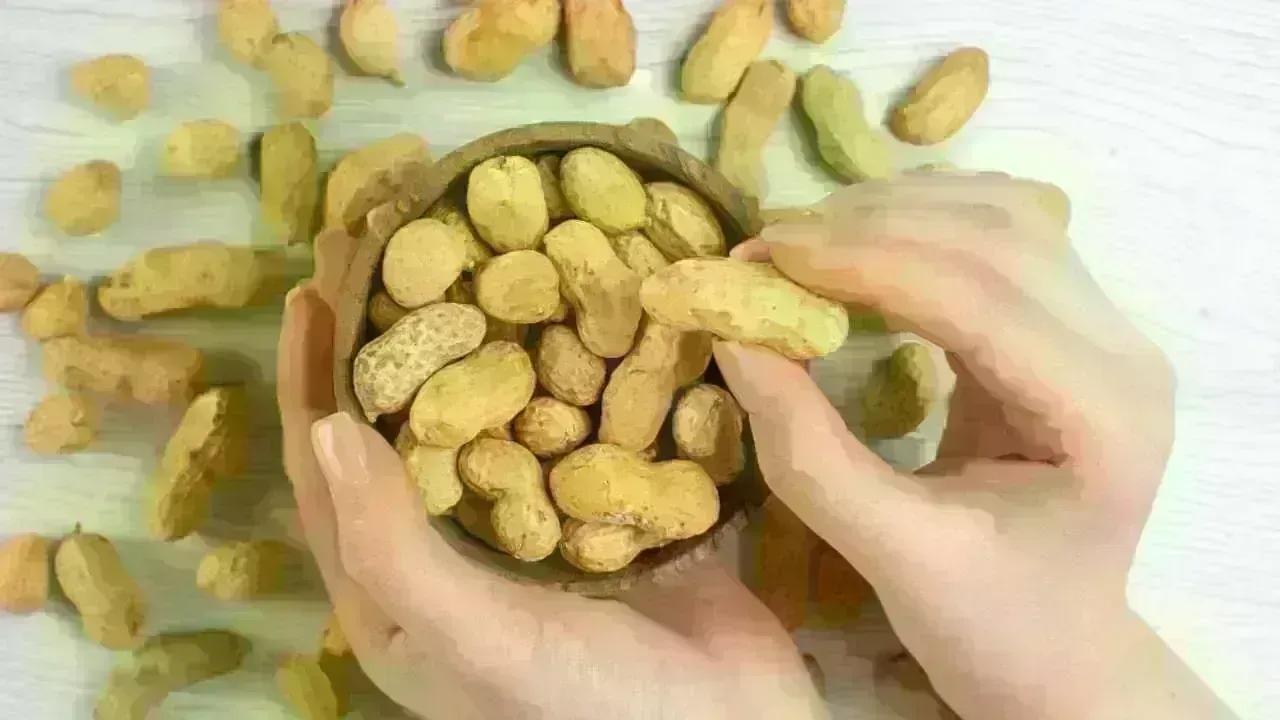
As winter settles in, people tend to alter their dietary habits. Colder temperatures often make us crave foods that offer warmth, energy, and protection against typical winter ailments like colds and fatigue. Peanuts, available and affordable, become a favorite during these months, often consumed roasted, boiled, or incorporated into various winter treats, both at home and outdoors.
Yet, many are curious about the health implications of eating peanuts in colder seasons. Can excessive consumption pose any risks? This article dives into the reasons peanuts are favored in winter, their health benefits, and wise consumption practices.
Peanuts are recognized as a warming food, essential for generating body heat during the winter months. Their healthy fat and calorie content helps in energy production, thus making people feel satisfied and lively after indulging in them when it’s chilly outside.
Their long shelf life and minimal preparation requirements also make peanuts a go-to snack, ideal for busy families navigating the winter season.
Peanuts provide a solid energy source, combating the lethargy that often accompanies the cold. They help maintain steady energy levels throughout the day.
Rich in protein, peanuts assist in muscle repair and development, making them advantageous for those engaged in physical activities.
The healthy fats found in peanuts not only help retain body warmth but also promote heart health when consumed moderately.
Moreover, peanuts are loaded with essential vitamins and minerals like vitamin E, magnesium, and zinc, which bolster the immune system—a key factor during the winter months when illness is more prevalent.
Lastly, peanuts help curb hunger, allowing smaller servings to sustain you longer and reduce cravings for unhealthy snacks.
Cold months can slow down digestion for many individuals. Peanuts digest slowly, helping maintain body warmth over extended periods. This peculiarity can be beneficial but should be monitored to avoid any digestive discomfort from overindulgence.
In addition, peanuts support skin health, combating dryness that often accompanies cold air, thanks to their natural fats.
While peanuts can be a nutritious choice, moderation is crucial. Overconsumption can lead to unnecessary caloric intake and potential weight gain.
Some might experience gastrointestinal discomfort, such as gas or bloating, particularly if peanuts are consumed in large quantities or late in the evening.
Those with peanut allergies should completely avoid them, as even trace amounts can trigger serious reactions.
For individuals with oily skin, excessive peanut consumption might exacerbate acne, recommending a reduced intake in such cases.
Diabetics are advised to approach peanut consumption with caution and consult a healthcare professional regarding their inclusion in the diet.
Opting for roasted or boiled peanuts is the healthiest recommendation for winter munching. Homely roasted versions without added oils are easier on the digestive system compared to deep-fried products.
Steer clear of overly salted or fried peanuts, as high levels of salt and oil could be detrimental to health.
Consuming peanuts during the day allows ample time for digestion, with a small handful typically being sufficient for benefit without adverse effects.
Children should have peanuts under adult watch to prevent choking hazards.
Older adults should limit their intake, with options like crushed peanuts or peanut butter being easier to manage if chewing proves difficult.
Those with digestive concerns, acid reflux, or skin issues should monitor their body's responses after consuming peanuts.
Peanuts can indeed serve as a wholesome winter snack when enjoyed mindfully. They offer energy, warmth, immune support, and appetite regulation. However, moderation is key, as with all foods.
Each individual’s body reacts differently; therefore, if peanuts suit you, they can be a great addition to winter diets. If discomfort arises, reducing intake or skipping them may be wise.
Generally, peanuts can be safely enjoyed throughout the winter, provided basic moderation and precautions are adhered to.
This piece serves solely for informational purposes. The insights shared reflect widely acknowledged dietary practices and health consciousness. This should not serve as a substitute for professional medical advice, diagnosis, or treatment. Individual responses to dietary changes will vary. Readers are encouraged to consult health professionals before making significant dietary adjustments, especially when pre-existing medical conditions are involved.










Jordan Burroughs Returns to Wrestling with 2028 Olympic Dream
Jordan Burroughs returns to wrestling with Real American Freestyle as the Olympic champion eyes a po

Lamborghini Catches Fire on Singapore's ECP, Causing Heavy Traffic
A Lamborghini caught fire on Singapore's ECP, causing heavy traffic and bus delays. No injuries were

Bangkok Airport Duty-Free Area Flooded by Pipe Burst
A burst water pipe flooded the duty-free shopping area at Bangkok's Suvarnabhumi Airport on July 16,

Nine Monks Killed in Thailand Pickup Truck Tragedy
An 11-year-old boy driving a pickup truck crashed into monks during a pilgrimage in northeastern Tha

Anwar Congratulates Xi on CPC's 105th Anniversary
Malaysia reaffirms strong ties with China as PM Anwar Ibrahim sends a congratulatory letter to Presi

Thai Agriculture Team Reviews 2026 Farm Development Plans
Agriculture Ministry officials inspected livestock and organic rice projects in Nakhon Sawan to moni