
You have not yet added any article to your bookmarks!
Join 10k+ people to get notified about new posts, news and tips.
Do not worry we don't spam!
Post by : Shweta
The escalating standoff between the United States and Iran has sparked significant alarm regarding the safety of vital civilian infrastructure, particularly major bridges throughout Iran. The tensions have escalated further following Donald Trump’s warning of possible military action if Iran fails to reopen the strategically essential Strait of Hormuz.
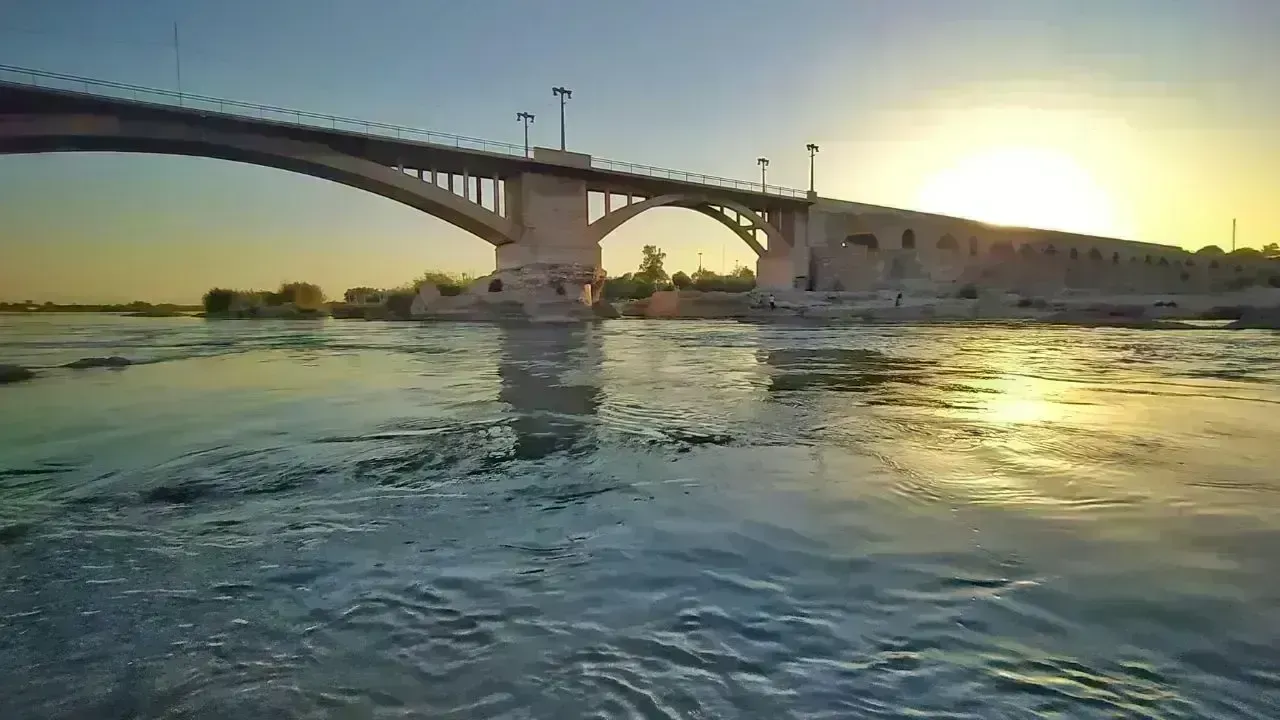
Recent reports indicate that several major bridges in Iran are now deemed susceptible to potential military strikes. These bridges are not merely transportation links; they are crucial for connecting cities, facilitating trade, and assuring the daily movement of millions. The destruction of these structures could result in widespread disruption to civilian life and economic stability.
An illustrative incident occurred with a bridge in Karaj, situated to the west of Tehran, which was hit during previous air operations, leading to civilian casualties and underscoring the risks associated with targeting infrastructure in populated locales. Experts assert that such attacks can lead to long-lasting repercussions, including harm to transportation networks and an increased risk for surrounding communities.
International analysts have raised red flags about the potential violation of international laws of armed conflict through the targeting of civilian infrastructure like bridges, unless justified by military necessity. Given that these structures often serve both civilian and limited military purposes, they present delicate targets in times of conflict.
Data from Iran’s bridge management systems reveals that although the nation boasts thousands of bridges, only a limited number are large-scale with substantial spans. The significance of these major bridges cannot be overstated, as their destruction would severely affect logistics and emergency services.
The present circumstances reflect a larger escalation in regional tensions, with messages and military posturing exchanged between both parties. As deadlines surrounding the Strait of Hormuz draw near, the global spotlight remains on the viability of diplomatic initiatives to alleviate the risks of further confrontation.
Experts persist in their warnings that any uptick in conflict encompassing attacks on civilian infrastructure could exacerbate the humanitarian landscape and trigger more instability in the area. The upcoming days are poised to be pivotal as world leaders keep a close watch on developments while advocating for restraint.
#Global News #AI future technology #Canada News #CNI News #Iran News










PM Modi Pays Tribute to Mahatma Gandhi, Urges People to Support Khadi
PM Modi pays tribute to Mahatma Gandhi on Gandhi Jayanti and urges citizens to support Khadi and the

Amazon Seeks to Offload $8 Billion in Nvidia Chips to Investors
Amazon plans to move $8 billion in Nvidia chips to investors, using a new financing model to strengt

Samsung Raises Galaxy S26 Prices as Memory Chip Costs Rise
Samsung raises Galaxy S26 prices in South Korea as rising memory chip costs put pressure on smartpho

Lewis Hamilton Calls Singapore Grand Prix One of F1's Toughest Races
Lewis Hamilton discusses the demanding Singapore Grand Prix and brings Plus44 and Almave to Singapor

Denmark's Pandora Opens World's Largest Jewellery Factory in Vietnam
Pandora opens its largest jewellery factory in Vietnam, expanding global production, strengthening s

Gautam Gambhir Questions Batting-Friendly Pitches After India's Record ODI Chase
Gautam Gambhir questions batting-friendly ODI pitches after India’s record chase, calling for a bett

