You have not yet added any article to your bookmarks!
Join 10k+ people to get notified about new posts, news and tips.
Do not worry we don't spam!
Post by : Saif Rahman
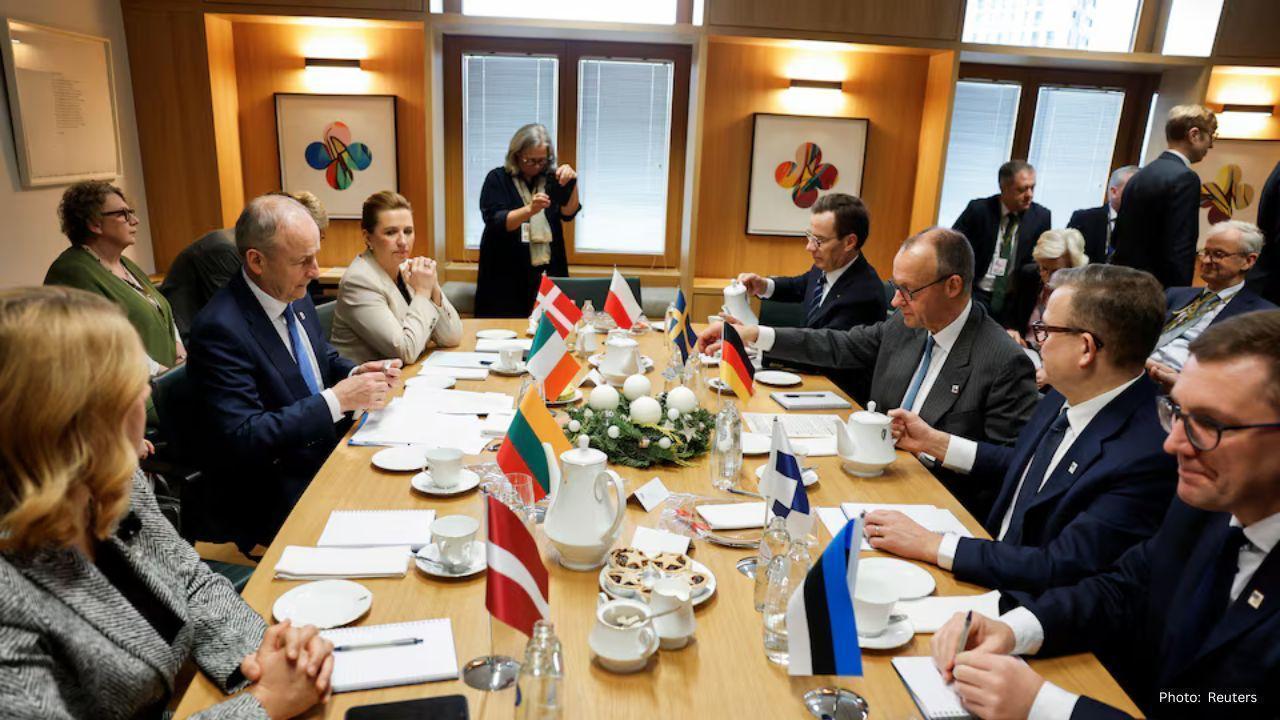
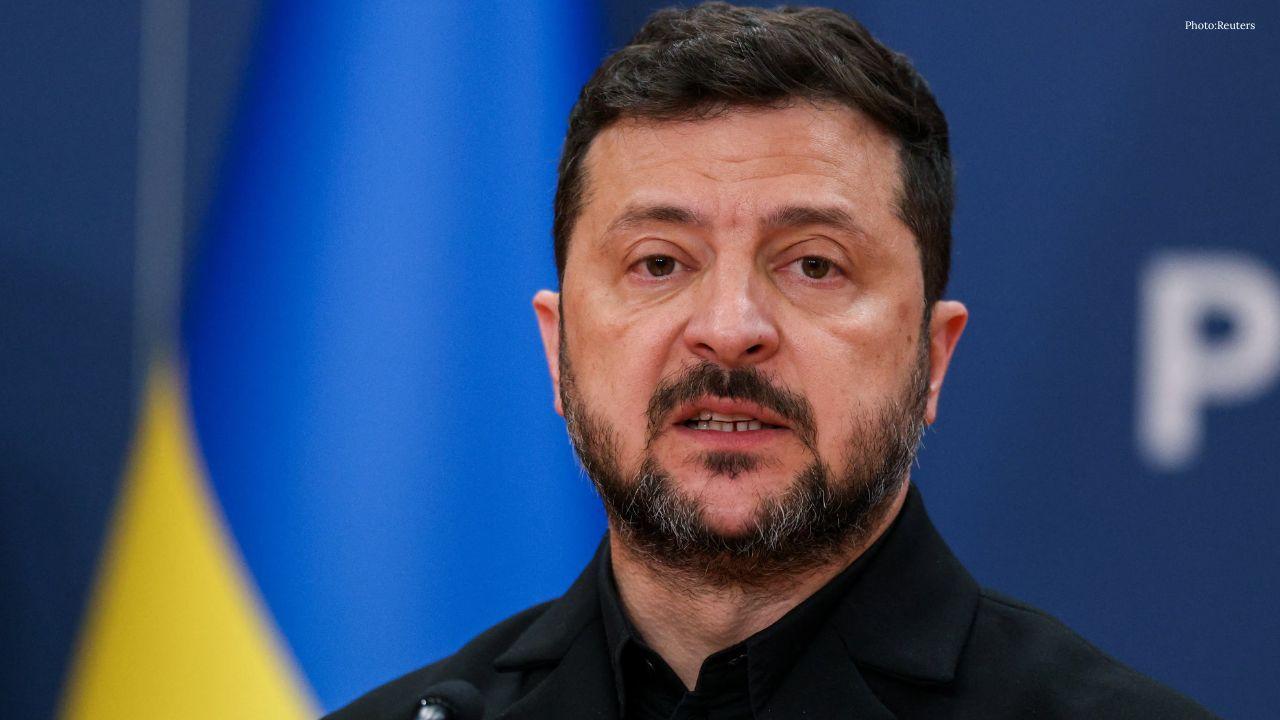
In a careful reaction on Friday, global investors responded to the European Union's substantial funding agreement to bolster Ukraine's defense against Russia. Opting to borrow €90 billion instead of tapping into frozen Russian assets, EU leaders aimed to mitigate political and legal complications while preserving market stability.
Following this pivotal announcement, the yield on Germany's 10-year government bonds edged up by approximately 1.8 basis points to reach 2.867%. This figure remains below the nine-month peak observed just a day prior, signaling that market participants were not significantly rattled. Meanwhile, the euro retained its value against a stronger U.S. dollar, suggesting that traders perceived the move as relatively neutral.
Numerous analysts argued that the decision to bypass the seizure of Russian assets safeguarded investor confidence in European debt markets. Should frozen assets have been utilized, it could have stoked fears about the safety of government-held funds in Europe, potentially leading to increased borrowing costs. By choosing borrowing as an alternative, EU leaders sought to protect the long-term perception of Europe as a desirable investment destination.
Kyle Rodda, a senior market analyst based in London, elaborated that the appropriation of Russian assets could have diminished the appeal of European government bonds and driven interest rates higher. He noted that the additional borrowing creates only a minor burden when weighed against the risk of alienating substantial investors, like China, who purchase European debt.
Market specialists also examined the implications of this decision for gold prices. Shaniel Ramjee, a senior investment manager, indicated that ensuring assets remain protected under a legal framework may slightly decrease gold's appeal, which is frequently sought out as a safe haven amidst uncertainty.
Others highlighted the potential impacts on future EU borrowing protocols. Christoph Rieger, specializing in rates, predicted that the EU might introduce more short-term bills for fundraising while keeping long-term bond issuances stable. Over time, this could solidify the EU's role as a regular borrower in global markets, especially once existing large funding initiatives conclude.
Looking at the situation broadly, some investors expressed optimism about the recent action. George Boubouras, head of research at an Australian asset management firm, characterized the agreement as beneficial but sounded a note of caution about the likelihood of needing more funding. He voiced concerns that markets could be underestimating potential future risks, particularly if geopolitical tensions heighten again in 2026.
All in all, the EU’s funding decision prompted a calm yet alert response from the markets. Although investors seemed relieved that frozen Russian assets remained untouched, they are cognizant that the ongoing financial obligations associated with supporting Ukraine will continue to influence both Europe’s fiscal stability and global market trust in the years to come.
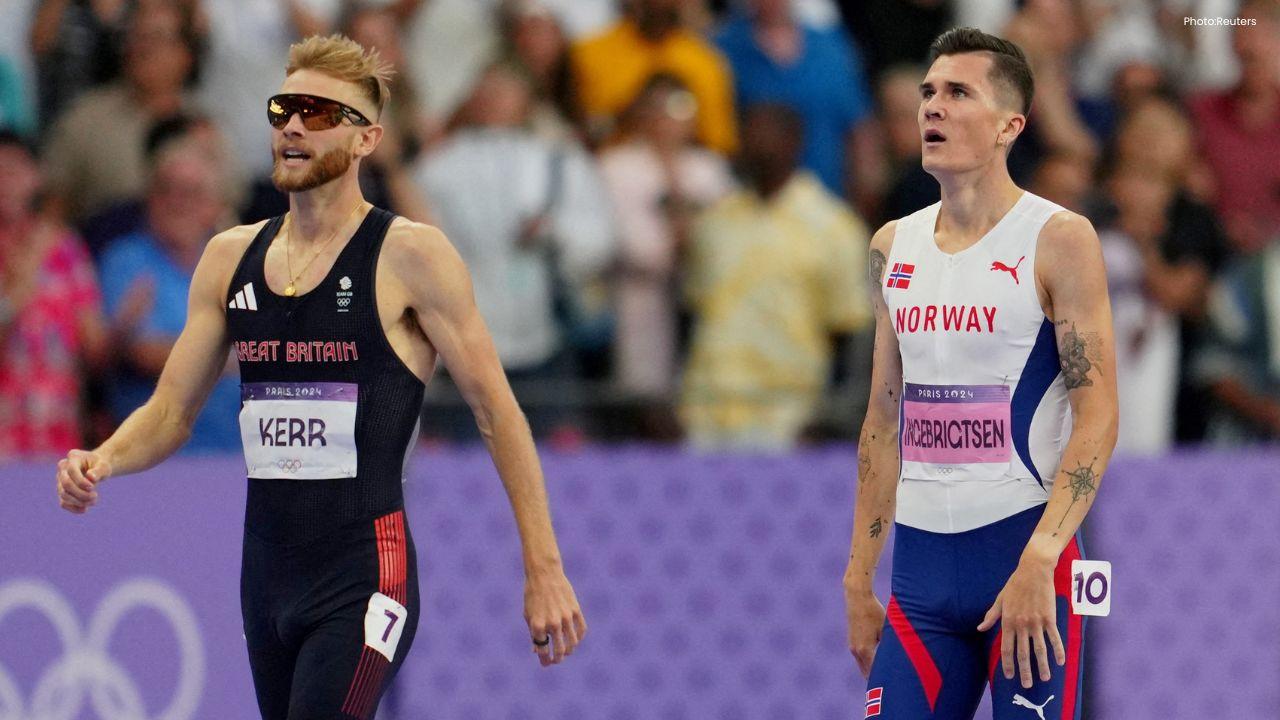




Josh Kerr and Jakob Ingebrigtsen Set for 1,500m Rivalry Rematch
Josh Kerr and Jakob Ingebrigtsen will renew their 1,500m rivalry at the Ultimate Championship in Bud

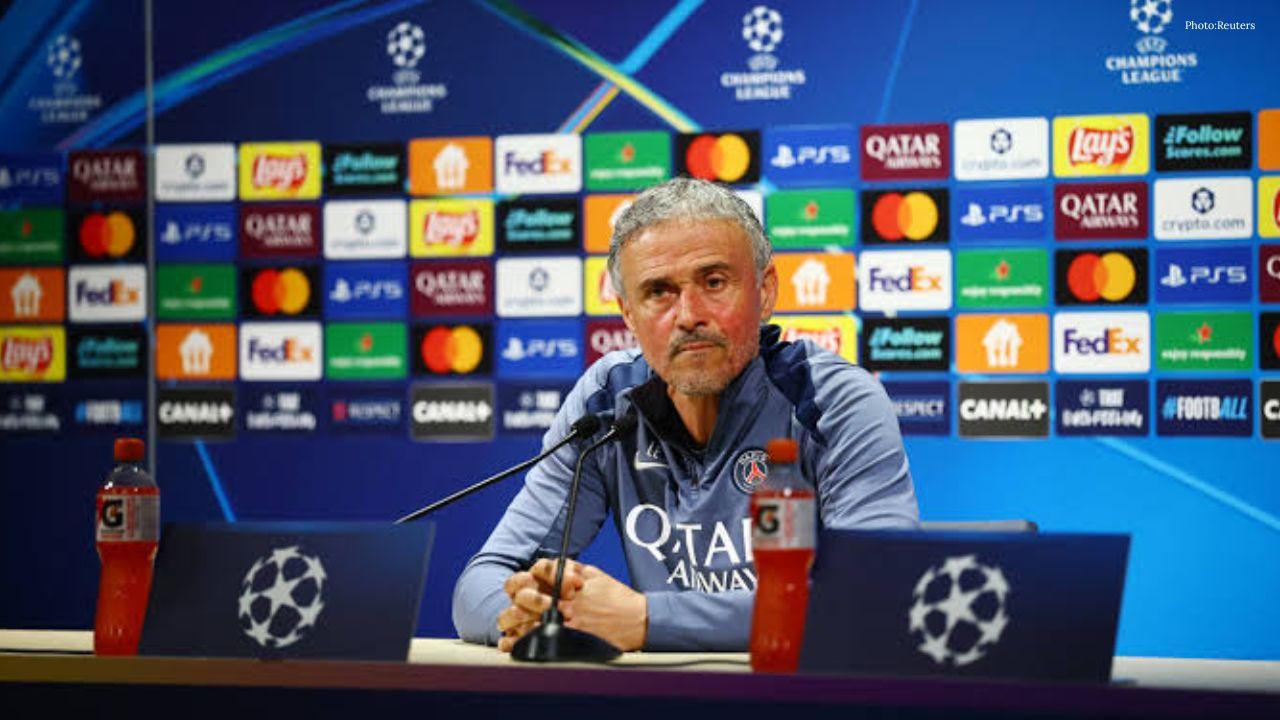
PSG Coach Luis Enrique Urges Players to Step Outside Comfort Zone
PSG coach Luis Enrique says players must leave their comfort zone and keep improving as the club tar

China’s Tiangong Sets New 400m Record at Robot Olympics
China’s Tiangong robot sets a new 400m record at the Robot Olympics, beating a South African robot i
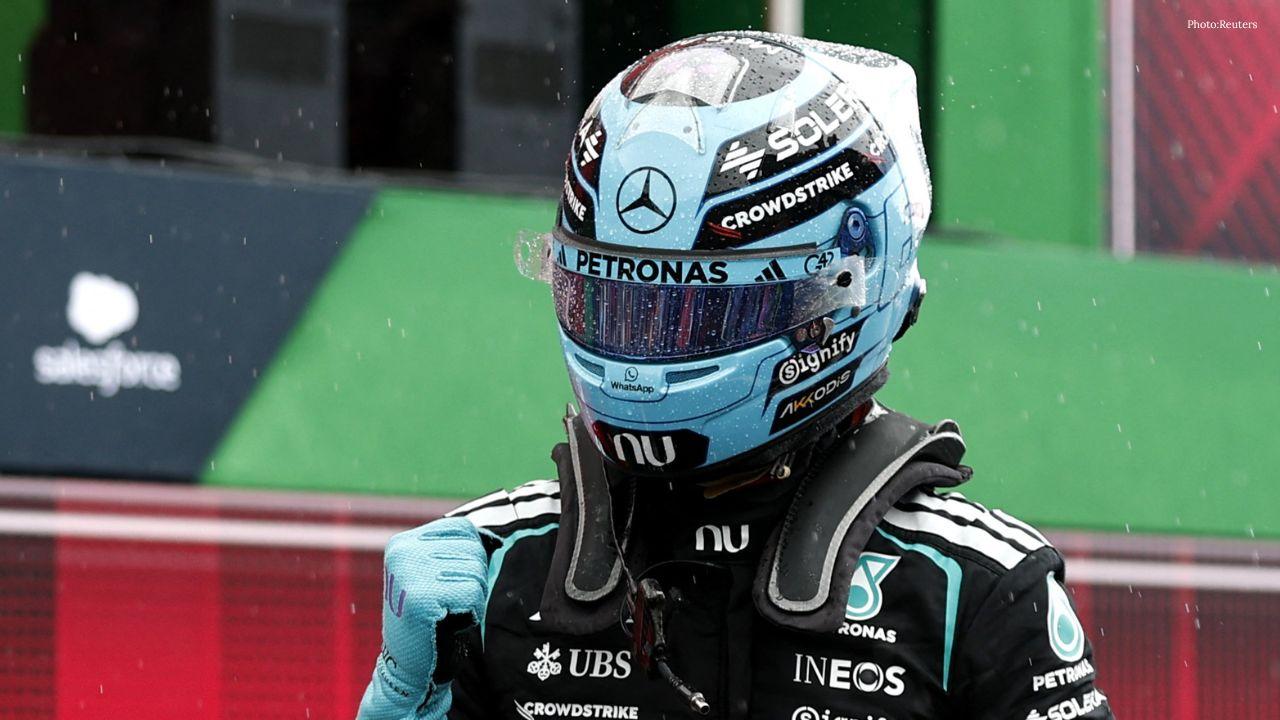
George Russell Wins Dutch GP Sprint, Boosts Mercedes Morale
George Russell wins the Dutch GP Sprint from pole as Mercedes teammate Kimi Antonelli extends his F1
Australia 50/3 After Bangladesh Bowled Out for 64 in Second Test
Australia reached 50/3 after Bangladesh were bowled out for 64 in the second Test, with Mitchell Sta

Jordan Burroughs Returns to Wrestling with 2028 Olympic Dream
Jordan Burroughs returns to wrestling with Real American Freestyle as the Olympic champion eyes a po