You have not yet added any article to your bookmarks!
Join 10k+ people to get notified about new posts, news and tips.
Do not worry we don't spam!
Post by : Anis Farhan
In recent years, India has been making headlines not just for its software exports but also for its evolving strength in hardware innovation. The rise of artificial intelligence (AI) has brought forward a new wave of opportunities in chip manufacturing and design, fueling the growth of the Internet of Things (IoT) and robotics. This “hardware renaissance” is positioning India as a global player in the future of connected devices and intelligent automation.
AI-driven semiconductors are no longer niche components; they have become the driving force behind next-generation devices. Designed to process vast amounts of data in real time, these chips are enabling everything from smart home systems and healthcare devices to industrial robots and autonomous vehicles. Indian companies and startups are now investing heavily in designing these specialized chips, recognizing their importance in transforming industries.
India’s IoT ecosystem is expanding rapidly, thanks to the availability of efficient, AI-powered chips. From agriculture and logistics to healthcare and urban planning, IoT devices are being deployed at scale. Farmers use AI-powered sensors to monitor soil health, cities deploy smart traffic systems, and logistics firms track shipments in real time. All of these innovations depend on robust hardware that can process data locally, reducing dependency on cloud computing.
The robotics sector in India is also witnessing rapid growth. AI-powered chips are at the core of machines that can adapt, learn, and execute tasks with precision. Robotics applications in manufacturing, healthcare surgeries, warehouse automation, and defense are being enhanced by these chips. The affordability and efficiency of locally designed hardware give Indian robotics firms a competitive edge, enabling them to compete globally.
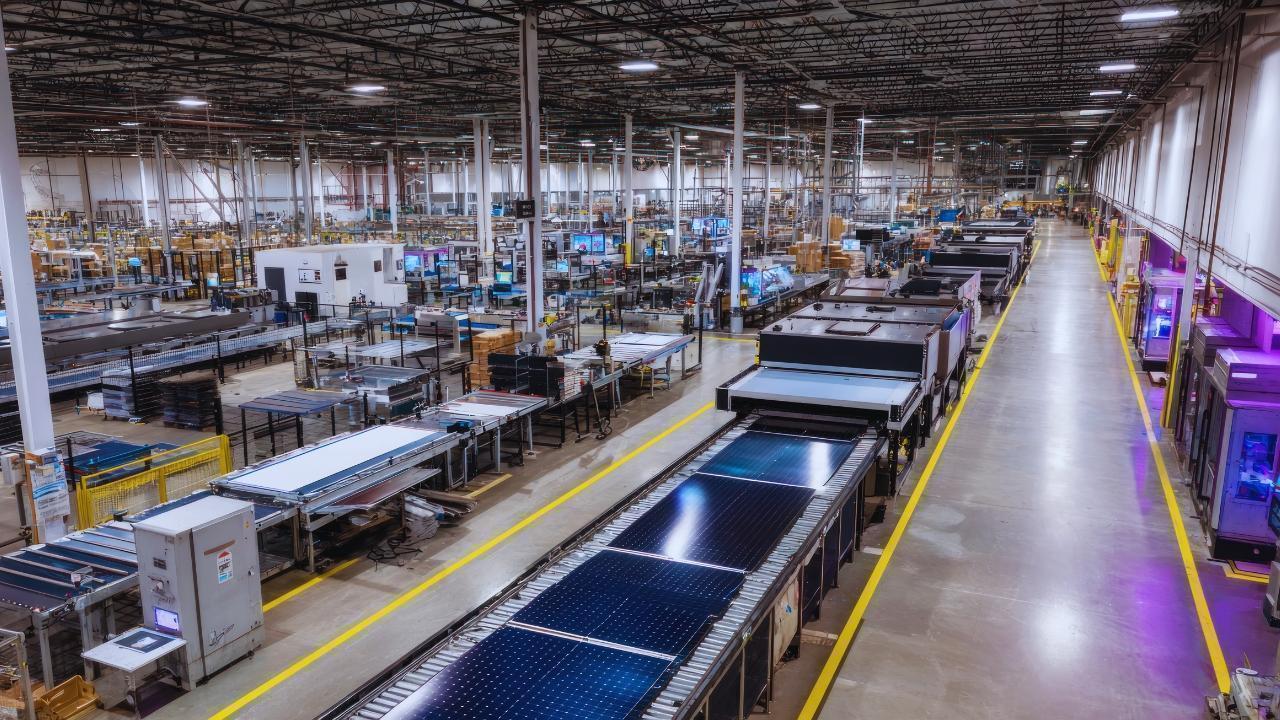
A critical factor fueling this hardware revolution is India’s push for semiconductor self-reliance. The government has rolled out policies and incentives to encourage domestic manufacturing of semiconductors and chipsets. Initiatives like the Production Linked Incentive (PLI) scheme are attracting global chipmakers to set up manufacturing units in India, ensuring that the country is not solely reliant on imports for critical technology components.
While large corporations play an important role, much of the innovation is being driven by startups. Indian startups are focusing on AI-chip design, low-power IoT processors, and robotics hardware tailored for local needs. By addressing unique challenges such as affordability, scalability, and energy efficiency, these companies are bridging the gap between cutting-edge technology and mass adoption.
India’s academic institutions and research centers are also contributing significantly to the hardware ecosystem. Collaborative projects between universities, industry, and government bodies are resulting in advanced chip designs and experimental robotics models. Students and researchers are being encouraged to focus on semiconductor design and AI integration, ensuring a skilled workforce for the future.
Despite the momentum, challenges remain. The semiconductor industry requires heavy investment, advanced manufacturing infrastructure, and highly skilled talent. Supply chain disruptions, dependency on imported raw materials, and global competition are hurdles India must overcome. Additionally, creating intellectual property in chip design and ensuring cybersecurity in IoT systems are ongoing concerns that need attention.
India’s rise in hardware manufacturing has global implications. As countries look to diversify supply chains away from single sources, India offers a promising alternative. By developing AI-powered chips and exporting robotics solutions, India could become a hub for both innovation and supply in the international technology market. This not only enhances India’s global standing but also strengthens its role in shaping the future of AI and IoT.
Looking ahead, India’s hardware renaissance is expected to accelerate further. The demand for IoT devices and robotics is only going to increase as industries worldwide embrace automation and connectivity. With continued investments, policy support, and innovation, India could transform from being primarily a software exporter to a global leader in hardware-driven AI ecosystems.
This article is a factual and editorial-style analysis intended for informational purposes only. The information presented reflects the evolving trends in India’s technology and hardware sector and should not be considered financial or investment advice.










Jordan Burroughs Returns to Wrestling with 2028 Olympic Dream
Jordan Burroughs returns to wrestling with Real American Freestyle as the Olympic champion eyes a po

Lamborghini Catches Fire on Singapore's ECP, Causing Heavy Traffic
A Lamborghini caught fire on Singapore's ECP, causing heavy traffic and bus delays. No injuries were

Bangkok Airport Duty-Free Area Flooded by Pipe Burst
A burst water pipe flooded the duty-free shopping area at Bangkok's Suvarnabhumi Airport on July 16,

Nine Monks Killed in Thailand Pickup Truck Tragedy
An 11-year-old boy driving a pickup truck crashed into monks during a pilgrimage in northeastern Tha

Anwar Congratulates Xi on CPC's 105th Anniversary
Malaysia reaffirms strong ties with China as PM Anwar Ibrahim sends a congratulatory letter to Presi

Thai Agriculture Team Reviews 2026 Farm Development Plans
Agriculture Ministry officials inspected livestock and organic rice projects in Nakhon Sawan to moni