You have not yet added any article to your bookmarks!
Join 10k+ people to get notified about new posts, news and tips.
Do not worry we don't spam!
Post by : Anis Farhan
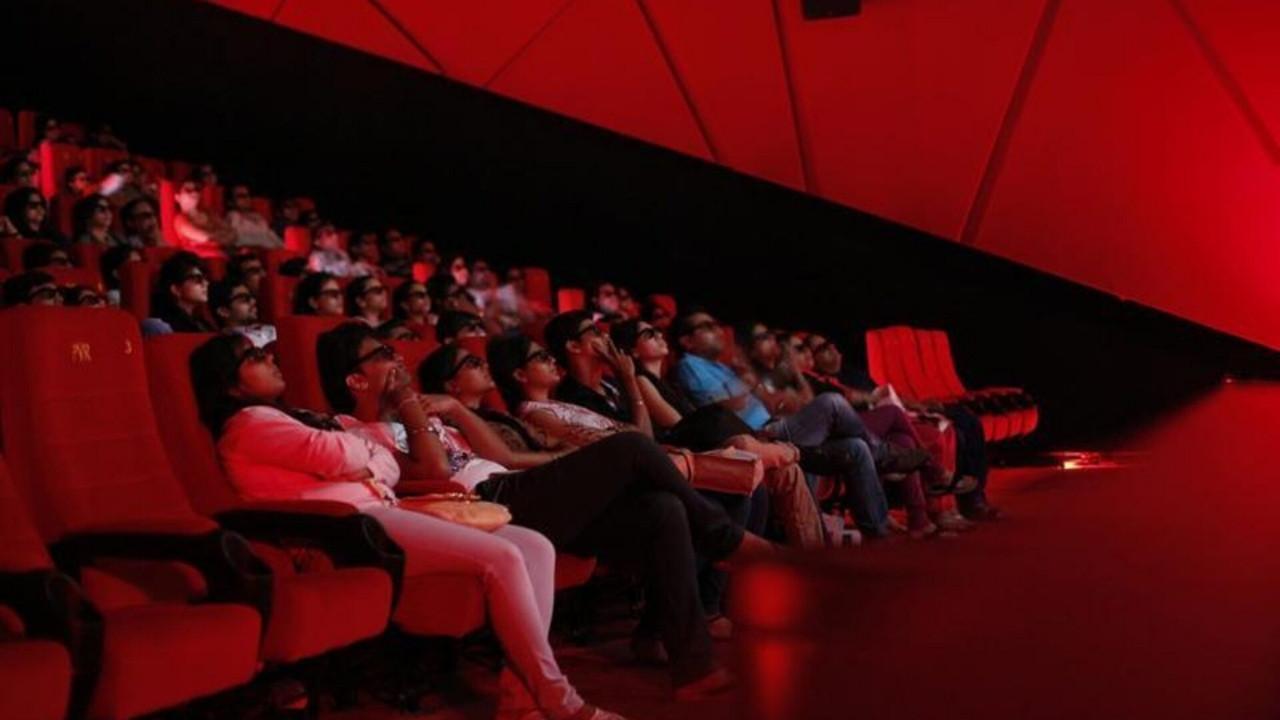
For decades, Indian cinema treated science fiction as a niche, experimental genre. The rare attempts often featured limited budgets, modest special effects, and stories that leaned more toward fantasy than true futuristic science. However, the last ten years have brought a revolution.
With advancements in technology, growing global ambitions, and a maturing domestic audience, sci-fi has gained unprecedented momentum in India. Films are no longer hesitant to explore themes like space exploration, artificial intelligence, parallel universes, and futuristic societies. What makes them distinct is the way they interweave these futuristic ideas with India’s deep cultural and mythological heritage.
Unlike Hollywood, which often grounds its sci-fi in Western philosophy and technological realism, Indian films frequently turn to mythology for inspiration. This fusion gives Indian sci-fi a unique identity that sets it apart globally.
Take, for instance, stories where ancient gods and futuristic machines coexist in the same narrative. Mythological epics like the Ramayana and Mahabharata are being reinterpreted through a sci-fi lens, with celestial weapons imagined as advanced technologies and mythic battles reimagined as interstellar wars.
This cultural infusion not only connects with Indian audiences on a deeper level but also gives international viewers a fresh perspective on what sci-fi can look like outside the Hollywood mold.
One of the key shifts fueling the sci-fi boom in Indian cinema is the allocation of big budgets. Historically, sci-fi was seen as risky and unprofitable. But with global streaming platforms investing heavily in Indian productions and theatrical audiences showing appetite for ambitious spectacles, producers are now more willing to take risks.
Films with visual effects-heavy narratives are no longer constrained by limited resources. Sophisticated CGI, motion capture technology, and world-class production design are becoming accessible to Indian studios. Movies that once might have looked amateurish by global standards now stand toe-to-toe with international blockbusters.
While Indian sci-fi often draws inspiration from global cinematic trends, it refuses to simply imitate them. Instead, filmmakers reimagine sci-fi tropes through a uniquely Indian lens.
For example:
Time travel stories often explore karma, destiny, and cycles of rebirth rather than simple scientific causality.
AI-driven narratives tend to focus on ethical dilemmas rooted in family values and emotional bonds rather than corporate or military conflicts.
Space adventures often feature Indian astronauts or missions tied to India’s real-world achievements in space research, like ISRO’s Mars Orbiter Mission.
By blending global sci-fi elements with culturally resonant themes, Indian films create stories that feel both universal and distinctly regional.
Several recent films have pushed the boundaries of what Indian sci-fi can achieve:
Ra.One (2011): Though criticized for its execution, it broke new ground by introducing mainstream Bollywood audiences to a superhero-sci-fi hybrid with heavy VFX investment.
Robot / Enthiran (2010) and 2.0 (2018): Rajinikanth’s blockbuster franchise showcased India’s ability to produce large-scale sci-fi spectacles with advanced robotics and AI themes.
Cargo (2019): An indie gem, it tackled philosophical questions about life and afterlife aboard a futuristic spaceship, proving sci-fi can be both intimate and thought-provoking.
Brahmāstra (2022): While marketed as a fantasy, its use of cosmic energy, advanced weaponry, and mytho-scientific imagination blurred the lines between mythology and sci-fi.
These films highlight a spectrum—ranging from indie experimentation to mega-budget extravaganzas—demonstrating that Indian sci-fi is evolving on multiple fronts simultaneously.
The entry of global streaming giants like Netflix, Amazon Prime, and Disney+ Hotstar has changed the game. These platforms actively seek content that can stand out internationally, and sci-fi provides the perfect vehicle.
Streaming also allows Indian filmmakers to experiment without the pressure of box office performance. Web series with sci-fi elements, like Leila and The Last Hour, are exploring dystopian futures, supernatural science, and alternate realities with creative freedom.
This digital revolution ensures that Indian sci-fi isn’t limited to cinemas—it’s reaching global households directly, expanding its audience and cultural footprint.
A fascinating element of Indian sci-fi is the balance between high-tech storytelling and traditional values. While Hollywood often portrays dystopian futures with collapsing societies and broken families, Indian films tend to emphasize resilience, hope, and the preservation of cultural identity in futuristic settings.
This approach resonates strongly with domestic audiences and provides a refreshing counterpoint to the often bleak landscapes of Western sci-fi. The heroes in Indian sci-fi are not only scientists or soldiers—they are often ordinary individuals with deep moral convictions, reflecting the cultural ethos of the society.
While Indian sci-fi is becoming more ambitious, some films risk focusing too much on visuals and not enough on narrative depth. Without strong storytelling, even the most visually stunning films struggle to leave a lasting impression.
Mainstream Indian audiences are still more accustomed to romance, drama, and action. Sci-fi can sometimes feel too niche or abstract for mass appeal. Filmmakers must find ways to make futuristic themes relatable without diluting their originality.
Competing with Hollywood’s established dominance in sci-fi is no small feat. For Indian films to succeed internationally, they must embrace unique narratives rather than trying to replicate Western formulas.
Despite challenges, the opportunities are immense:
International Collaborations: Joint ventures with global studios can provide technical expertise while retaining Indian storytelling.
Cross-Cultural Appeal: By blending mythology with futuristic themes, Indian sci-fi can attract international audiences seeking fresh perspectives.
Youth Engagement: A younger, tech-savvy audience is hungry for innovative genres, making sci-fi a powerful tool to engage the next generation.
Cultural Export: Just as K-dramas and anime have popularized Korean and Japanese cultures globally, Indian sci-fi could become a cultural export that introduces international audiences to India’s traditions through futuristic narratives.
Indian cinema is at a turning point. What was once a marginal genre is now becoming a vibrant frontier where myths meet machines and tradition meets technology. With big budgets, global exposure, and a confident new generation of storytellers, Indian sci-fi is redefining itself—not as an imitation of Hollywood, but as a genre with its own voice.
The future of Indian cinema may very well be written among the stars, where ancient myths guide futuristic adventures, and the imagination of a billion people reshapes what sci-fi means on the world stage.
This article is intended for informational and cultural discussion purposes only. It highlights trends in Indian cinema and does not represent financial, production, or investment advice.









Jordan Burroughs Returns to Wrestling with 2028 Olympic Dream
Jordan Burroughs returns to wrestling with Real American Freestyle as the Olympic champion eyes a po

Lamborghini Catches Fire on Singapore's ECP, Causing Heavy Traffic
A Lamborghini caught fire on Singapore's ECP, causing heavy traffic and bus delays. No injuries were

Bangkok Airport Duty-Free Area Flooded by Pipe Burst
A burst water pipe flooded the duty-free shopping area at Bangkok's Suvarnabhumi Airport on July 16,

Nine Monks Killed in Thailand Pickup Truck Tragedy
An 11-year-old boy driving a pickup truck crashed into monks during a pilgrimage in northeastern Tha

Anwar Congratulates Xi on CPC's 105th Anniversary
Malaysia reaffirms strong ties with China as PM Anwar Ibrahim sends a congratulatory letter to Presi

Thai Agriculture Team Reviews 2026 Farm Development Plans
Agriculture Ministry officials inspected livestock and organic rice projects in Nakhon Sawan to moni