You have not yet added any article to your bookmarks!
Join 10k+ people to get notified about new posts, news and tips.
Do not worry we don't spam!
Post by : Anis Farhan
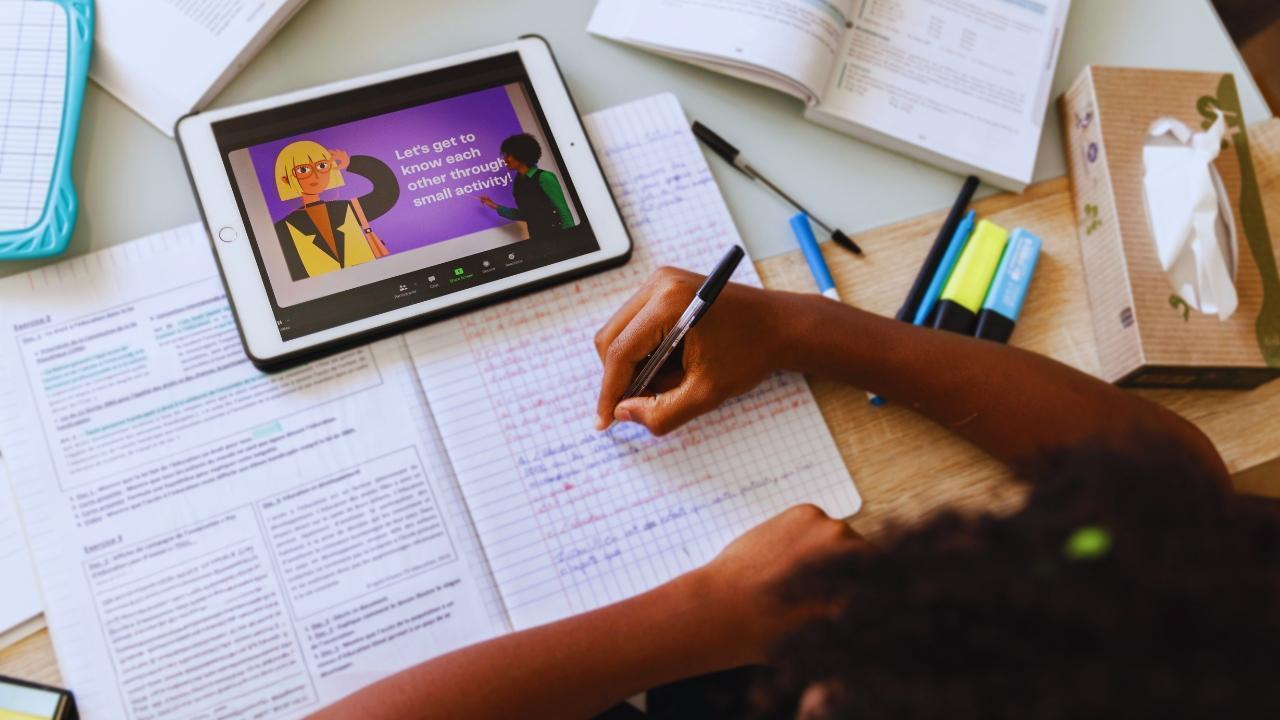
The traditional model of education in Asia has long been defined by discipline, standardized testing, and physical classrooms. But since the COVID-19 pandemic pushed schools into a digital frenzy, the region’s education systems have undergone a fundamental reset. Now, as campuses reopen and society adapts to a new normal, the hybrid learning model — combining online and offline education — is becoming the default mode of teaching across much of Asia.
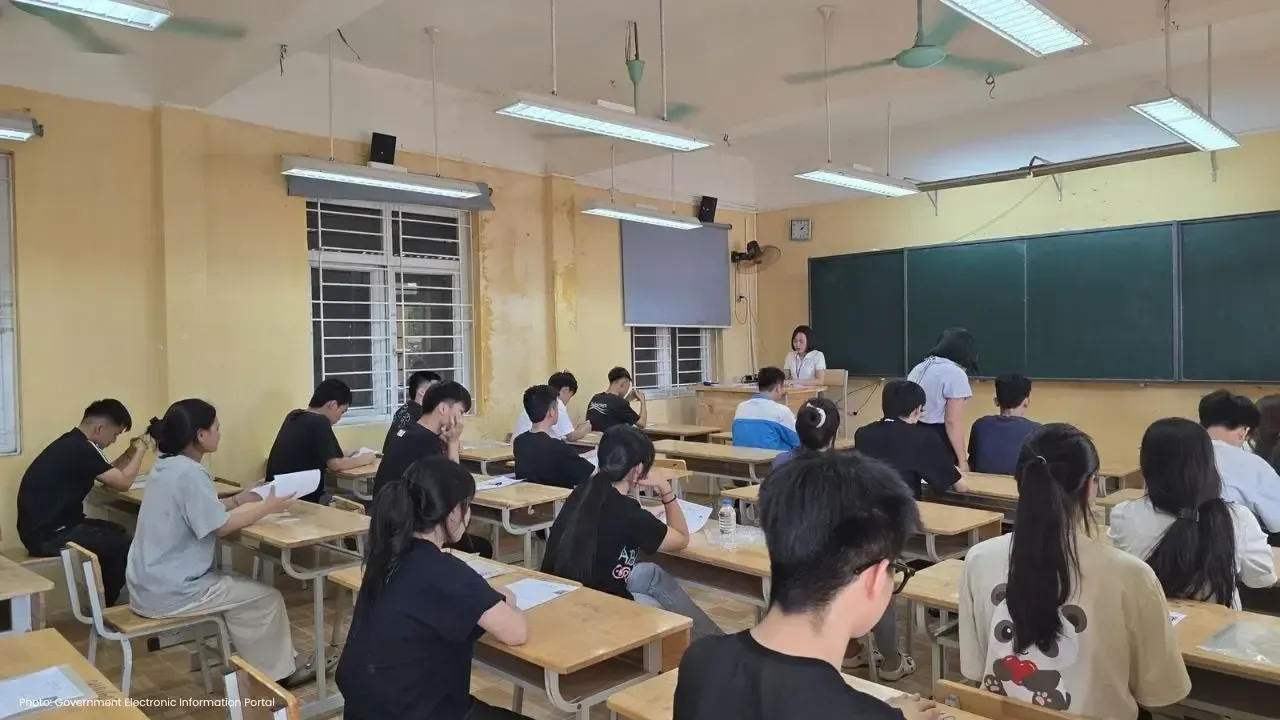
In places like Singapore, India, Vietnam, and South Korea, hybrid classrooms are rapidly replacing conventional setups. Schools and universities are no longer debating whether to go digital — they're fine-tuning how to do it better. The result is a sweeping transformation in how knowledge is delivered, consumed, and measured.
Asia’s embrace of hybrid learning isn’t just about technology — it’s rooted in deep educational and societal values. In countries like Japan and South Korea, education is seen as a key driver of national success, which fuels continuous innovation in learning practices. In developing nations such as Bangladesh, Cambodia, and the Philippines, hybrid learning offers access to quality education that may not exist locally.
One of the biggest advantages of hybrid learning is flexibility. Students can revisit recorded lectures, access supplementary content anytime, and customize their learning paths. For teachers, hybrid systems allow data-driven personalization — they can identify weak spots through digital assessments and offer tailored interventions during in-person classes.
Moreover, the hybrid model solves logistical problems. With overcrowded urban schools and limited infrastructure in rural regions, alternating between in-person and online schedules helps distribute resources more efficiently.
Across Asia, national governments are stepping up to support this hybrid transition.
Singapore’s Ministry of Education launched the “Blended Learning 2.0” initiative in 2023, aiming to integrate digital learning into core subjects by default in all secondary schools.
India’s NEP 2020 (National Education Policy) recommends online-offline integration as a long-term reform, promoting digital tools in vernacular languages and offering remote modules through platforms like SWAYAM and DIKSHA.
Indonesia’s Ministry of Education, Culture, Research, and Technology has been piloting hybrid models in remote areas using TV and mobile-based apps to reach low-bandwidth regions.
Thailand rolled out the Smart Classroom Project to blend digital boards, student tablets, and adaptive learning tools into public schools.
Such initiatives aren’t just about modernization — they reflect a political and social shift toward equal opportunity in education.
Asia’s edtech sector has exploded in recent years, becoming a cornerstone of the hybrid education revolution. Startups like Byju’s (India), Ruangguru (Indonesia), Yuanfudao (China), and ClassIn (Singapore) are offering scalable solutions that merge virtual tutoring, AI-driven analytics, and interactive learning content.
In countries like Vietnam and Malaysia, locally grown edtech platforms are now integrating curriculum-based modules with live mentoring and gamified quizzes. These platforms are bridging the digital divide by offering both online content and downloadable offline options for low-bandwidth users.
The hybrid boom has also created demand for Learning Management Systems (LMS) like Moodle, Google Classroom, and Microsoft Teams. Universities are investing in virtual labs, AI-based plagiarism checkers, and real-time feedback tools to keep pace with evolving student expectations.
In this new learning environment, the role of the teacher is shifting from a “sage on the stage” to a facilitator of learning. Hybrid models require educators to adapt quickly, manage both physical and digital classrooms, and become proficient in tech tools that were once considered optional.
To support this shift, training programs and certifications are being rolled out in many countries. In the Philippines, for instance, the Department of Education has introduced the Digital Teachers Program to improve instructional delivery through blended platforms. Japan and South Korea are experimenting with AI tools that assist teachers in content delivery and performance tracking.
Moreover, hybrid learning empowers teachers to innovate their pedagogy — from flipped classrooms to interactive webinars and peer-led discussions — creating more dynamic and participatory environments.
While hybrid learning offers immense benefits, it also exposes deep-rooted inequalities. Students in remote, underdeveloped regions often lack access to stable internet, devices, or quiet learning spaces. Gender gaps are also evident — in some regions, girls are less likely to return to school after extended online-only periods.
Governments and NGOs are attempting to close this gap. In India, mobile learning vans equipped with solar-powered tablets now travel to tribal villages. In Laos, UNESCO has supported a blended approach that uses radio broadcasts combined with SMS-based quizzes. In Pakistan, community-led “micro-schools” are merging offline teaching with simple mobile tools.
Still, hybrid education in Asia will only succeed if digital inclusion becomes a policy priority. It’s not enough to distribute tablets — systemic investments in infrastructure, teacher training, and local-language content are essential.
In many Asian cultures, parents are deeply involved in their children's education. Hybrid learning has amplified this dynamic. Parents now monitor online classes, supervise homework, and interact more regularly with teachers via apps and virtual meetings.
This increased involvement has pros and cons. On one hand, it builds stronger family-school partnerships. On the other, it risks widening the achievement gap, as families with higher digital literacy or more resources can offer greater support.
As schools adopt hybrid learning more permanently, building equitable parent support systems — such as digital literacy programs and multilingual guides — will be vital.
The hybrid revolution isn’t just confined to primary or secondary education — universities across Asia are evolving rapidly too. International programs, once limited by geography, now offer hybrid models with flexible attendance options. Universities in Japan, Singapore, and Malaysia are offering dual-mode degrees, combining in-person lectures with global online modules.
Additionally, virtual internships, remote research collaborations, and AI-based skill assessments are now being embedded into university frameworks. For students, this means increased exposure to global learning ecosystems without having to leave their home countries.
It’s tempting to frame hybrid learning as a replacement for traditional education. But the reality is more nuanced. For Asia, the future lies in blending the strengths of both worlds — retaining classroom discipline and face-to-face mentorship while integrating the accessibility, personalization, and scalability of technology.
Schools are experimenting with rotational attendance models, self-paced digital modules, and AI-driven feedback loops. The most successful ones are those that recognize that hybrid learning is not about digitizing old practices, but reimagining education from the ground up.
The views and insights presented in this article are intended for editorial and informational purposes only. Newsible Asia does not endorse any specific educational platform, government policy, or edtech company mentioned. Readers should consult local education authorities or institutional sources for region-specific guidelines and reforms. The article reflects trends and opinions based on publicly available information and industry observation.









Lamborghini Catches Fire on Singapore's ECP, Causing Heavy Traffic
A Lamborghini caught fire on Singapore's ECP, causing heavy traffic and bus delays. No injuries were

Bangkok Airport Duty-Free Area Flooded by Pipe Burst
A burst water pipe flooded the duty-free shopping area at Bangkok's Suvarnabhumi Airport on July 16,
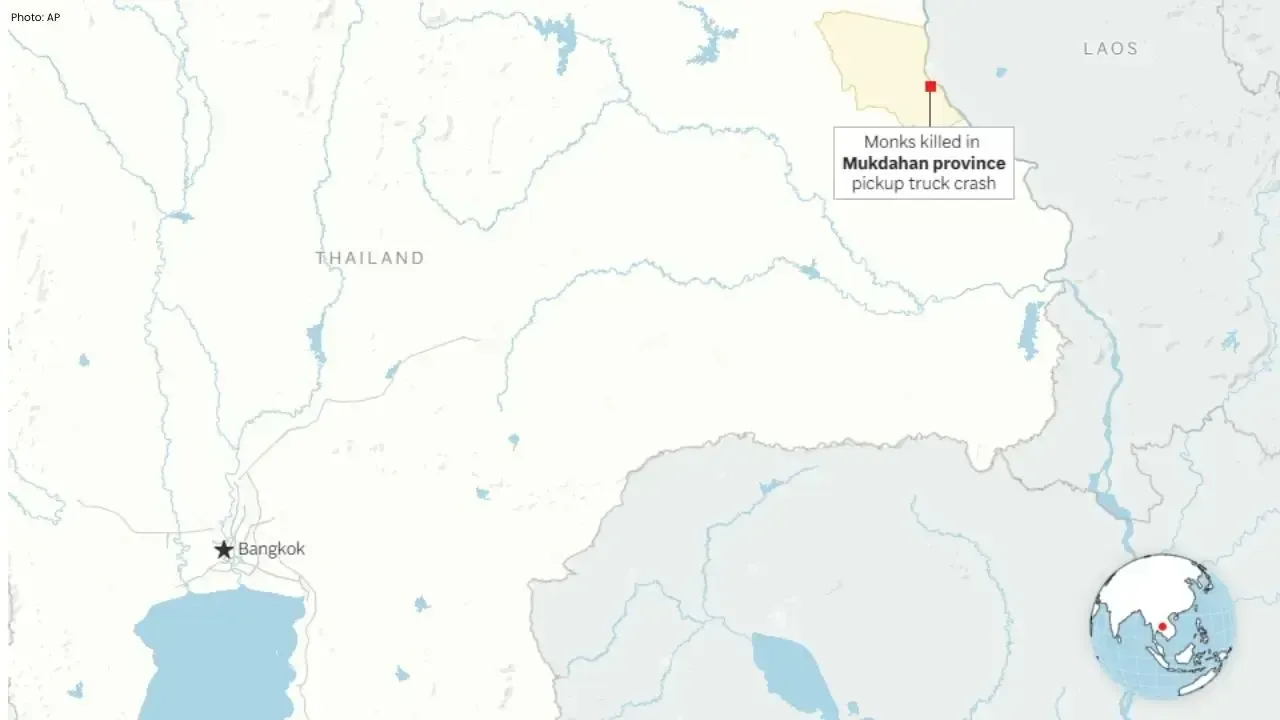
Nine Monks Killed in Thailand Pickup Truck Tragedy
An 11-year-old boy driving a pickup truck crashed into monks during a pilgrimage in northeastern Tha
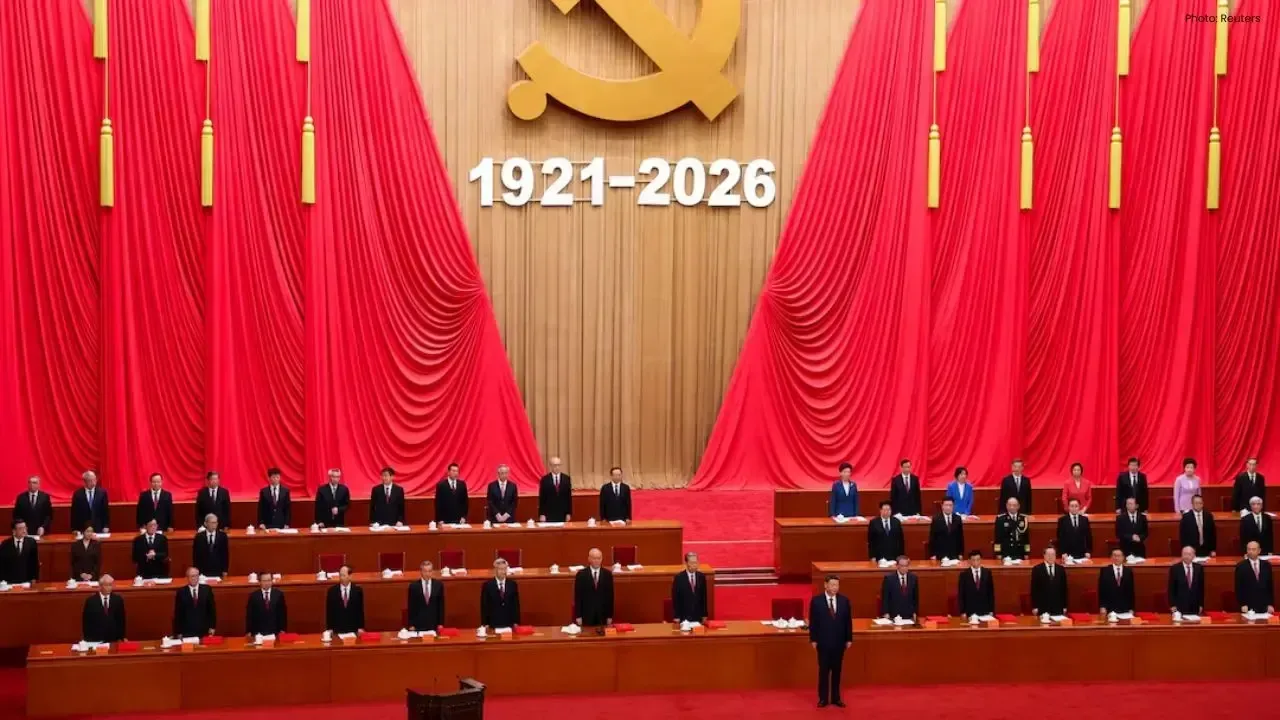
Anwar Congratulates Xi on CPC's 105th Anniversary
Malaysia reaffirms strong ties with China as PM Anwar Ibrahim sends a congratulatory letter to Presi
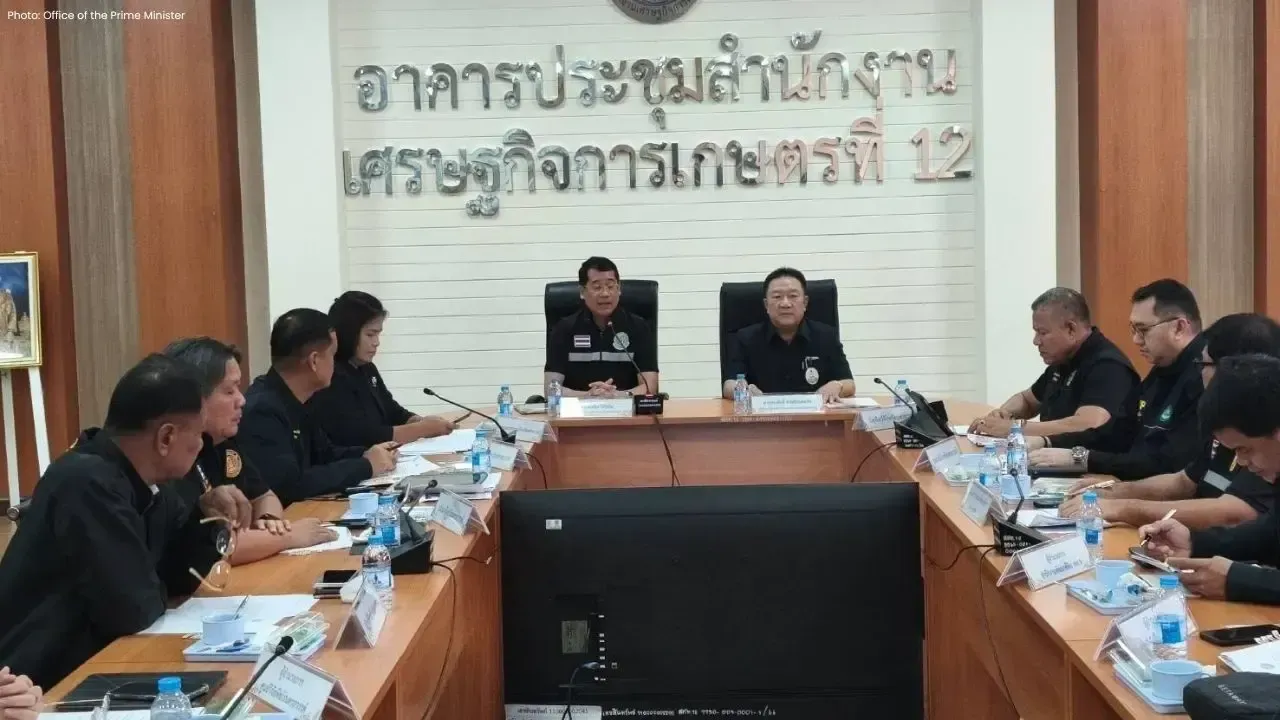
Thai Agriculture Team Reviews 2026 Farm Development Plans
Agriculture Ministry officials inspected livestock and organic rice projects in Nakhon Sawan to moni

Thailand, Canada Boost Ties in PM-Level Phone Talks
Thailand and Canada agreed to strengthen trade, security, OECD cooperation and ASEAN-Canada FTA talk