You have not yet added any article to your bookmarks!
Join 10k+ people to get notified about new posts, news and tips.
Do not worry we don't spam!
Post by : Laxmi Verma
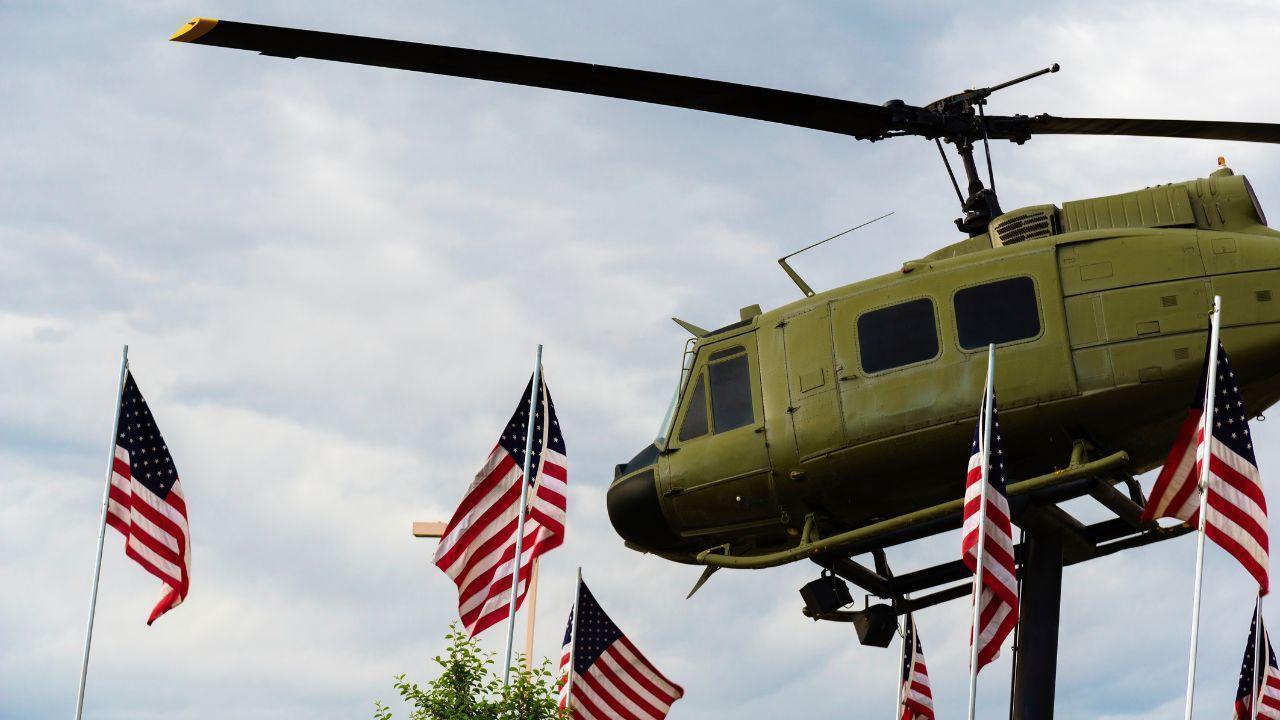
When the Wright brothers first took to the skies in 1903, few could have predicted just how much their invention would reshape the world. In just over a century, aviation has gone from experimental prototypes to a global industry connecting people, ideas, and nations. Today, the impact of flight is felt in every corner of society—but nowhere more profoundly than in the fields of warfare, travel, and communication.
In this article, we explore how flight changed warfare, travel, and communication, transforming not only the way we move, but the way we fight, connect, and live.
Before the invention of aircraft, wars were largely fought on land or at sea. Battles depended on troop movement, terrain, and naval power. But the arrival of airplanes introduced a third dimension—the sky—which revolutionized military strategy.
One of the earliest military uses of flight was reconnaissance. During World War I, pilots flew over enemy lines to gather intelligence and take aerial photographs. This new perspective allowed armies to track troop movements, map terrain, and plan more effective strategies—something previously unimaginable.
Soon, flight moved from observation to offense. Fighter planes and bombers became key tools in warfare. In World War II, aircraft like the Spitfire, B-17, and the infamous German Stuka played pivotal roles. Entire cities could now be targeted from the air, changing the scale and nature of destruction.
The introduction of jet engines, long-range bombers, and drones in the 20th and 21st centuries further shifted the balance of power. Today, unmanned aerial vehicles (UAVs) allow for precision strikes without risking human pilots, making flight an essential element of modern military doctrine.
In short, how flight changed warfare, travel, and communication begins with its dramatic impact on the battlefield—transforming tactics, expanding reach, and redefining what it means to fight a war.
Perhaps the most visible impact of aviation is in global travel. Before air travel, journeys across continents took weeks or even months by ship or train. Now, the same distance can be covered in hours.
In the post-war years, many military aircraft were converted for civilian use, giving rise to the commercial aviation industry. The 1950s and ’60s saw the rise of jetliners like the Boeing 707 and Douglas DC-8, making air travel accessible to the middle class for the first time.
Suddenly, destinations that were once remote became weekend getaways. Families vacationed overseas, business travelers connected across continents, and students studied abroad.
Air travel has been a key driver of global tourism, allowing people to explore new cultures, landscapes, and experiences. In 2023 alone, over 4 billion passengers traveled by air globally. This has not only fueled economic growth but has also promoted understanding between nations and cultures.
The travel industry—from airlines to airports, hotels to tour companies—owes its existence to how flight changed warfare, travel, and communication by making global mobility a daily reality.
While it might not be obvious at first, aviation has played a critical role in the evolution of communication.
Before the digital age, the fastest way to send messages or packages across long distances was by air. Airmail services, which began in the early 20th century, dramatically reduced the time it took to send letters, documents, and parcels internationally.
Air freight also laid the groundwork for the modern express delivery services we rely on today. Companies like FedEx and DHL depend on air networks to move goods rapidly around the globe.
Aircraft and rockets share similar technologies, and flight was the first stepping stone to space exploration. Satellites—launched via rockets—now power global communication systems including GPS, internet, and mobile networks. These innovations wouldn't exist without the advances made through aviation and aerospace engineering.
So, how flight changed warfare, travel, and communication is not just about planes in the sky—it’s about what they’ve enabled: global networks, rapid delivery, and real-time connections.
The influence of flight goes beyond practical applications. It has inspired generations, driven technological innovation, and reshaped human ambition.
The information provided in this article is for general informational and educational purposes only. While every effort has been made to ensure the accuracy and reliability of the content, it should not be considered as expert or professional advice in the fields of aviation, military, or communication technologies. Readers are encouraged to consult relevant professionals or official sources for more detailed and up-to-date information. The author and publisher are not responsible for any decisions or actions taken based on the content of this article.





Jordan Burroughs Returns to Wrestling with 2028 Olympic Dream
Jordan Burroughs returns to wrestling with Real American Freestyle as the Olympic champion eyes a po

Lamborghini Catches Fire on Singapore's ECP, Causing Heavy Traffic
A Lamborghini caught fire on Singapore's ECP, causing heavy traffic and bus delays. No injuries were

Bangkok Airport Duty-Free Area Flooded by Pipe Burst
A burst water pipe flooded the duty-free shopping area at Bangkok's Suvarnabhumi Airport on July 16,

Nine Monks Killed in Thailand Pickup Truck Tragedy
An 11-year-old boy driving a pickup truck crashed into monks during a pilgrimage in northeastern Tha
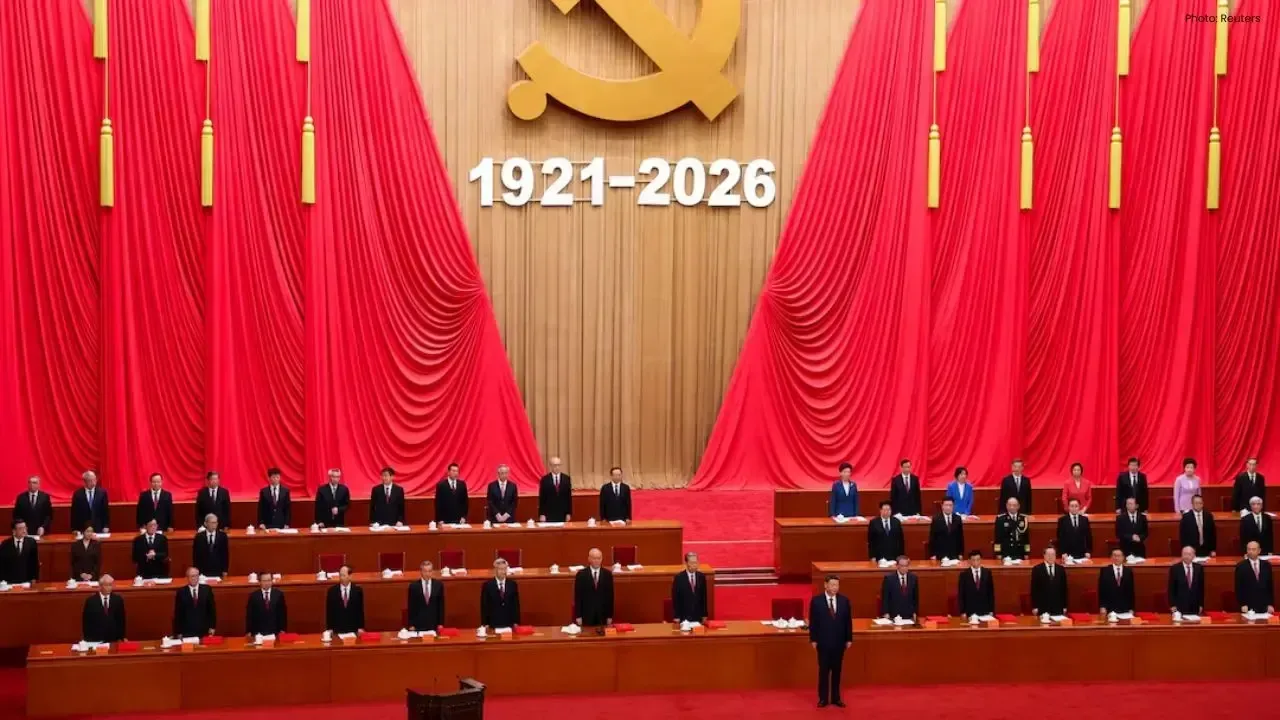
Anwar Congratulates Xi on CPC's 105th Anniversary
Malaysia reaffirms strong ties with China as PM Anwar Ibrahim sends a congratulatory letter to Presi

Thai Agriculture Team Reviews 2026 Farm Development Plans
Agriculture Ministry officials inspected livestock and organic rice projects in Nakhon Sawan to moni