You have not yet added any article to your bookmarks!
Join 10k+ people to get notified about new posts, news and tips.
Do not worry we don't spam!
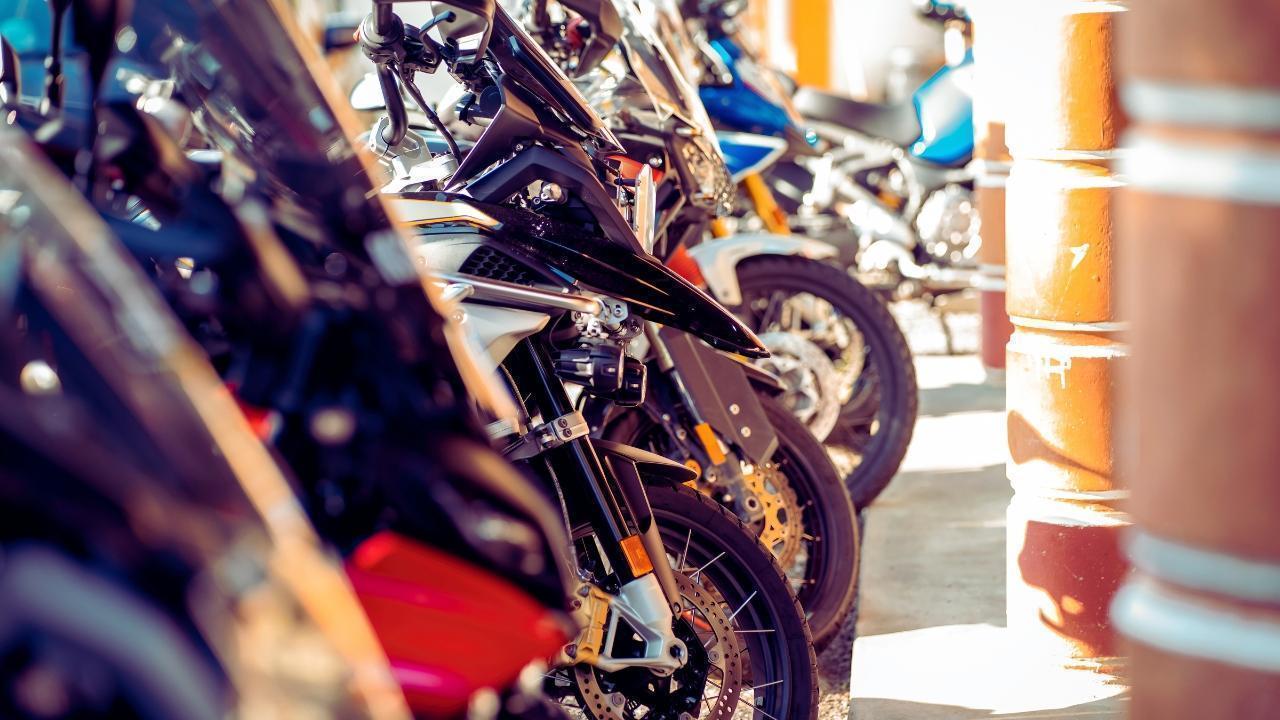
Post by : Anis Farhan
In the quiet lanes of Tier‑2 Indian cities like Indore, Bhubaneswar, Coimbatore, and Nashik, a subtle yet powerful transformation is underway. The familiar whirr of petrol-powered scooters is slowly being replaced by the near-silent glide of electric two-wheelers (E2Ws). No longer just a metro-city phenomenon, these battery-powered vehicles are now becoming the transport lifeline for thousands across India’s smaller towns. As fuel prices surge and sustainability becomes a mainstream concern, electric scooters and bikes are rewriting the story of daily commutes in these rapidly growing urban centres.
India’s Tier‑2 cities have long straddled the line between tradition and modernity. Unlike megacities like Mumbai or Delhi, these towns lack the expansive public transit infrastructure yet still grapple with rising congestion and pollution. For the working middle class, students, gig workers, and small-business owners, two-wheelers have always been a practical choice. Now, electric two-wheelers are emerging as the smarter, cleaner, and more economical upgrade.
In 2025, the shift is more visible than ever. Charging stations are cropping up in petrol bunks and kirana store parking lots. Local dealerships are offering EMI plans for electric scooters starting at ₹2,000 a month. People who once commuted on old petrol bikes now zip through traffic on sleek electric models that cost just ₹0.25 per kilometre.
The growth of electric two-wheelers in Tier‑2 cities hasn’t happened in a vacuum. Several real-world factors are fueling the shift:
Rising fuel costs: With petrol consistently hovering above ₹100/litre in many states, E2Ws—running at roughly 1/10th the cost—offer a huge saving over time.
Government incentives: Under the revamped FAME II scheme, buyers are eligible for up to ₹35,000 in subsidies, while many states offer additional road tax and registration waivers.
Increased product range: Brands like Ola Electric, Ather Energy, TVS, Hero, and Bajaj have launched affordable models targeting small-town buyers, including family-friendly scooters and rugged delivery-use variants.
Growing awareness: Thanks to social media and digital marketing, people in semi-urban belts are now more aware of the benefits of going electric than ever before.
For most Tier‑2 consumers, the real draw of electric two-wheelers isn’t just about saving the planet—it’s about saving money and time. An average commuter travelling 20–25 km per day can save over ₹2,500–3,000 a month by switching to an EV. That’s significant for families managing tight monthly budgets.
Maintenance is another plus. Unlike traditional two-wheelers, electric models have fewer moving parts. No oil changes, no engine troubles, fewer breakdowns. For many, this translates to peace of mind and lower upkeep.
Charging convenience has also evolved. Home plug-in charging is enough for 60–100 km daily, more than sufficient for typical town commutes. Additionally, cities like Surat, Lucknow, and Mysuru are experimenting with fast-charging hubs, some even powered by solar energy.
The biggest adopters of electric two-wheelers in Tier‑2 cities are students and women. College-goers love the low operating costs and easy handling. Working women, especially in healthcare, education, and beauty sectors, now prefer lightweight electric scooters that are simple to operate, park, and charge.
Brands have caught on. From swappable batteries to anti-theft GPS, feature-loaded models are tailored for this demographic. Ather’s 450X and Ola S1 Air, for instance, are seeing growing demand among women riders aged 18–35.
The gig economy is another major driver. Food delivery workers and e-commerce logistics riders now prefer electric two-wheelers due to lower daily fuel expenses and higher net earnings. In fact, several platforms are offering rental-based EV options to riders on a weekly basis.
In smaller cities, local businesses—from tailors and tiffin services to wedding decorators—are also jumping onto the EV trend. Delivery boys on electric scooters have become a common sight, particularly as online grocery orders and home services continue to grow.
Some local entrepreneurs have even converted to electric delivery fleets, setting up basic charging setups within their garages or small warehouses. This grassroots-level adoption is critical in Tier‑2 economies where logistics and affordability go hand in hand.
Despite the optimism, the transition is not without its bumps. Infrastructure remains a concern. Public charging stations are still sparse outside the city centre. Battery swapping networks are mostly absent in smaller towns. Repair and service centres often lack trained EV technicians, causing delays in fixing even basic issues.
Another major concern is battery life and replacement costs. While initial expenses are subsidized, replacing a lithium-ion battery after 3–4 years can cost ₹30,000–₹50,000—a steep sum for many families.
There’s also skepticism among the older generation. Many still believe electric vehicles lack power, struggle on inclines, or can’t handle rainy weather—myths that continue to slow down adoption in conservative pockets.
Municipal corporations in cities like Vadodara, Madurai, and Ranchi are beginning to integrate EVs into their public and institutional fleets. Some are also piloting electric rickshaw programs and incentivizing private EV owners with free parking, toll waivers, or battery-as-a-service programs.
Local startups are springing up with unique solutions—portable charging kits, EV micro-leasing, and app-based battery monitoring. These hyper-local innovations are key to customizing EV growth for smaller urban zones.
State transport departments in Tamil Nadu, Maharashtra, and Uttar Pradesh are planning city-wide EV roadmaps for Tier‑2 and Tier‑3 towns, aiming to balance private and public electric mobility over the next five years.
In five years, the sight of electric two-wheelers in Tier‑2 Indian cities could be as normal as autos or cycles. From school drop-offs to grocery hauls, morning office runs to evening tuitions, the electric commute is poised to become a default choice.
For a generation that’s tech-savvy, budget-conscious, and more environmentally aware than ever, the electric scooter isn’t just a vehicle—it’s a quiet symbol of upward mobility.
As infrastructure scales up and prices continue to drop, India’s smaller cities may very well lead the country’s electric revolution—not by shouting slogans or launching mega projects, but by simply changing how they ride to work every day.
This article is intended for general informational purposes and reflects emerging trends observed in 2025 across various Tier‑2 Indian cities. The developments mentioned may vary regionally and are not endorsed or sponsored by any specific electric vehicle brand.






Lamborghini Catches Fire on Singapore's ECP, Causing Heavy Traffic
A Lamborghini caught fire on Singapore's ECP, causing heavy traffic and bus delays. No injuries were

Bangkok Airport Duty-Free Area Flooded by Pipe Burst
A burst water pipe flooded the duty-free shopping area at Bangkok's Suvarnabhumi Airport on July 16,

Nine Monks Killed in Thailand Pickup Truck Tragedy
An 11-year-old boy driving a pickup truck crashed into monks during a pilgrimage in northeastern Tha

Anwar Congratulates Xi on CPC's 105th Anniversary
Malaysia reaffirms strong ties with China as PM Anwar Ibrahim sends a congratulatory letter to Presi
Thai Agriculture Team Reviews 2026 Farm Development Plans
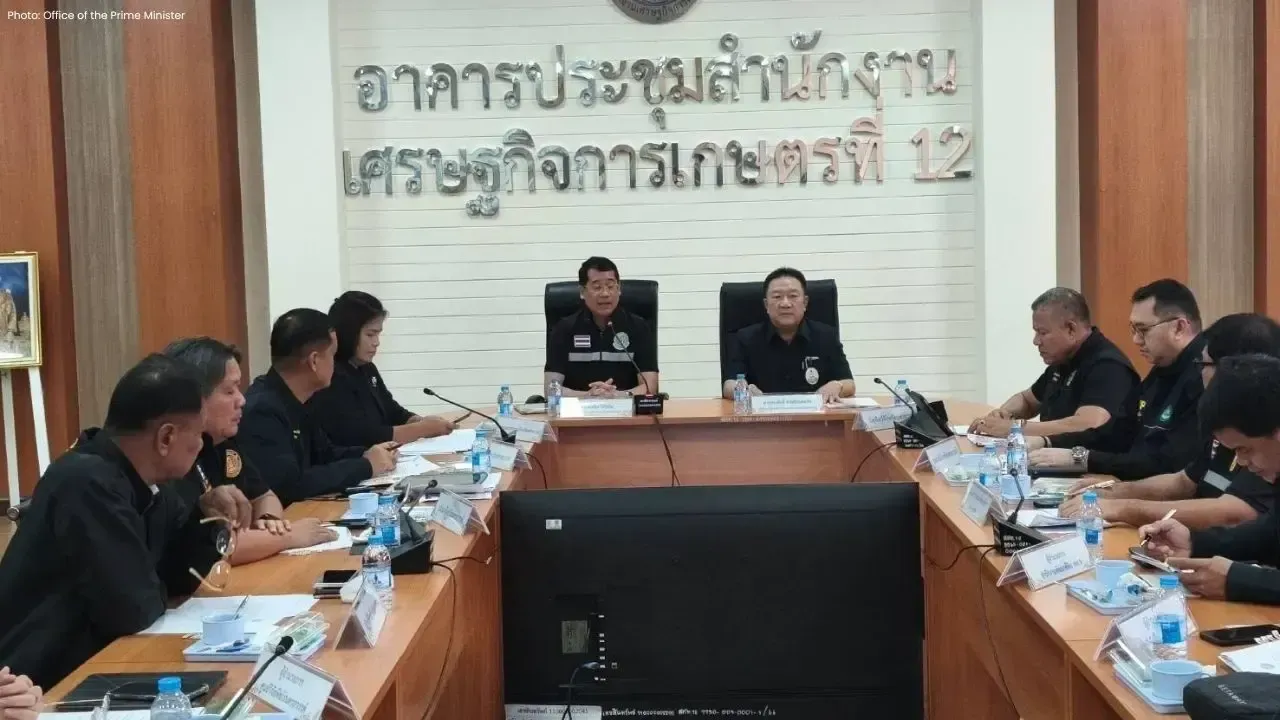
Agriculture Ministry officials inspected livestock and organic rice projects in Nakhon Sawan to moni

Thailand, Canada Boost Ties in PM-Level Phone Talks
Thailand and Canada agreed to strengthen trade, security, OECD cooperation and ASEAN-Canada FTA talk