You have not yet added any article to your bookmarks!
Join 10k+ people to get notified about new posts, news and tips.
Do not worry we don't spam!
Post by : Anis Farhan
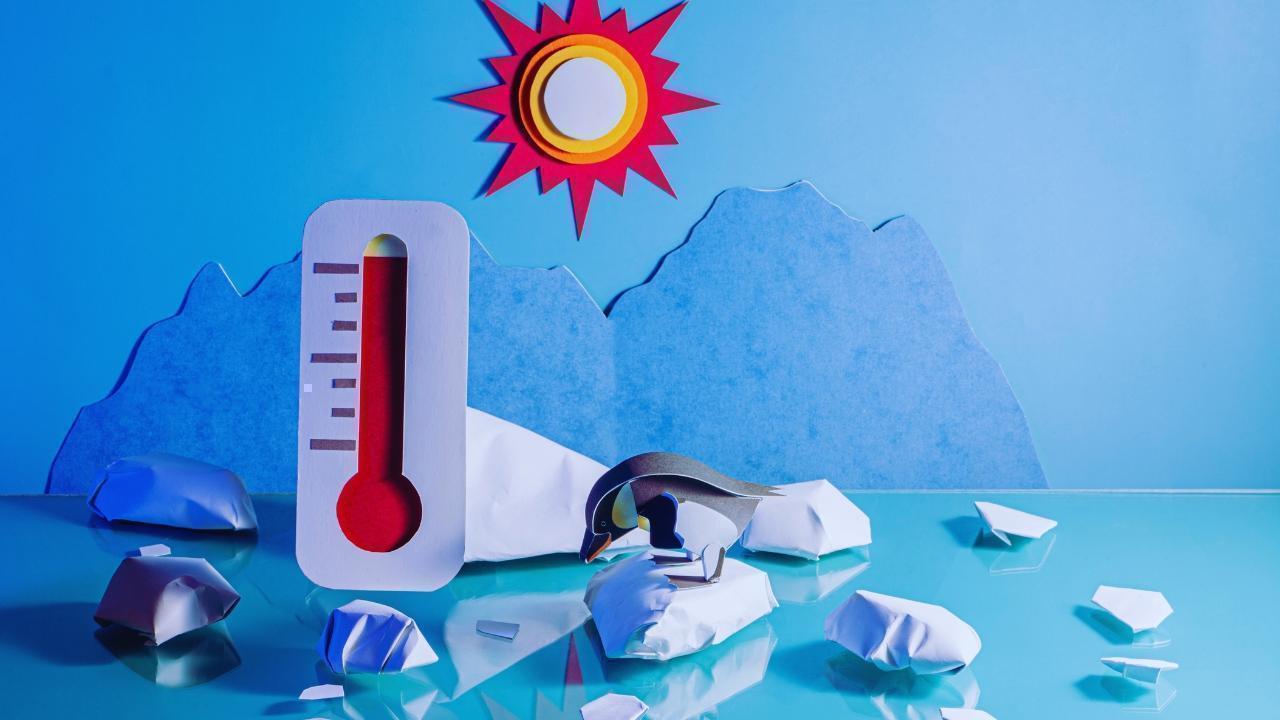
For decades, tourism has been built on predictability—reliable seasons, consistent weather, and stable natural landmarks. But as the planet heats up and climate systems become increasingly erratic, the very pillars of travel are shifting. From flooded cities to scorched landmarks and disrupted seasons, climate change is no longer a distant environmental concern—it’s already changing where, how, and when we travel. Quietly, yet steadily, the landscape of global tourism is undergoing a massive transformation that travelers, operators, and destinations must now adapt to.
Traditional high and low seasons are getting harder to predict. Destinations that were once bustling during their summer peak are now facing unusual rain spells, extreme heat waves, or wildfire threats. Southern Europe, for example, has recently seen tourists cancel trips due to unbearable heat. On the other hand, places previously considered too cold for mass tourism—like parts of Northern Europe—are enjoying a longer window of pleasant temperatures, giving rise to new “warm-season” destinations.
This shift is disorienting for travel operators and frustrating for tourists, who expect seasonal reliability. It’s also pressuring local economies, which rely heavily on seasonal income. Countries that once celebrated monsoon festivals, for instance, are now seeing off-season floods or droughts.
Some of the world’s most iconic travel spots are suffering visible and irreversible damage. The bleached corals of the Great Barrier Reef, melting glaciers in the Alps, and receding coastlines of island paradises like the Maldives are not just environmental tragedies—they’re tourism crises.
When destinations physically change or disappear, their tourism appeal declines. Glacier trekking, a top draw in places like Alaska or Switzerland, may soon vanish. Similarly, beach destinations grappling with rising sea levels face eroded coastlines and salinized ecosystems that no longer support the charm they once had.
These changes are prompting a rethink: how long can places sell their natural beauty if that beauty is vanishing?
Wildfires have become a recurring summer threat, with parts of Greece, California, Australia, and Canada now experiencing annual infernos. These disasters have led to emergency evacuations of tourists, closure of national parks, and widespread travel disruption.
The unpredictability is changing how people plan their trips. Tourists are booking last-minute to avoid cancellations, or steering clear of regions known for fire risk. Insurance premiums for travel to affected areas are also increasing, which discourages visitors.
In addition to fires, floods and storms have devastated many tourist hubs, destroying infrastructure, stranding travelers, and putting lives at risk. Climate change is no longer a theoretical risk—it’s altering traveler behavior in real-time.
Not all impacts are negative. Climate change is also creating a new generation of responsible travelers—those who want to reduce their carbon footprint and support sustainable tourism.
Eco-tourism, slow travel, and local immersion trips are gaining popularity. Rather than hopping flights for weekend getaways, some travelers now prefer longer, slower journeys—like train travel across Europe or biking across Southeast Asia—that leave a smaller environmental impact.
Hotels and resorts that prioritize sustainability are becoming preferred choices. From solar-powered stays to properties offering carbon offset programs, climate-conscious options are moving from niche to norm.
Coastal cities and beach towns are under enormous pressure. Rising sea levels threaten not just their real estate but their entire tourism industry. Shorelines are eroding, saltwater is entering freshwater systems, and some islands may become uninhabitable within decades.
This is especially critical for nations whose economies depend on beach tourism—like the Philippines, Thailand, and Indonesia. These countries are already seeing the need for protective infrastructure like sea walls and elevated resorts, but long-term viability remains uncertain.
Tourism operators in these areas are now diversifying their offerings, pushing inland eco-tours, cultural experiences, and historical excursions to reduce dependency on beaches.
Ski resorts are in deep trouble. With rising global temperatures, snowfall is becoming unreliable. Traditional ski seasons are shrinking, and artificial snow is costly, water-intensive, and environmentally questionable.
Many lower-altitude resorts in the Alps have already shut down or converted to year-round adventure parks. Others are investing in snow-making machines, which come with huge energy costs.
As the sport becomes more expensive and unpredictable, its appeal is declining among budget-conscious or eco-aware travelers. Ski tourism, once a winter luxury, is becoming a climate casualty.
As climate disasters become more common, insurance companies are adjusting their policies—and not in favor of travelers. Premiums for disaster-prone regions are rising, and some providers now exclude weather-related cancellations from standard packages.
Governments are also stepping in. Certain countries are updating visa policies, adding health and safety requirements, and requiring travel advisories for climate-sensitive zones. What used to be a simple visa process might now involve detailed proof of emergency planning or insurance coverage.
This is subtly reshaping how and where people choose to go. Tourists are more cautious, and spontaneous travel is becoming rarer.
Destinations that offer indoor or cultural experiences are seeing a rise in interest. Museums, heritage towns, and food tourism—previously considered “secondary” to nature tourism—are taking center stage.
Cities less exposed to natural disasters are rebranding themselves around history, architecture, and local culture. For instance, Japan is actively promoting its rural towns, temples, and traditional festivals, offering safe, enriching alternatives to climate-threatened regions.
Tourists, in turn, are finding that cultural depth often leaves a more lasting impression than just scenic beauty.
One major lesson from climate change is the danger of over-dependence on a single destination type. Cities or islands that welcomed too many tourists are now the most fragile. Climate events push these fragile ecosystems to their limits.
There’s now a global movement encouraging decentralization—shifting travelers to lesser-known towns, rural areas, or offbeat routes. This helps reduce pressure on vulnerable destinations while spreading the economic benefits of tourism more evenly.
Governments and platforms like Airbnb are also supporting this shift by promoting rural or alternative accommodations.
If the last few years have proven anything, it’s that adaptability is key. The travel industry can no longer rely on fixed seasons or historical weather data. It must build for flexibility—both for the operators and the travelers.
Booking platforms are integrating climate risk data. Travel guides now include emergency evacuation info. Even airlines are updating routes and services based on new environmental realities.
This future might feel less predictable, but it can be more resilient, equitable, and sustainable—if the industry takes climate risk seriously and adapts proactively.
This article is intended for informational purposes only. It does not substitute professional travel advice or climate consultancy. Readers are encouraged to stay updated with local advisories and climate data when planning trips.









Lamborghini Catches Fire on Singapore's ECP, Causing Heavy Traffic
A Lamborghini caught fire on Singapore's ECP, causing heavy traffic and bus delays. No injuries were

Bangkok Airport Duty-Free Area Flooded by Pipe Burst
A burst water pipe flooded the duty-free shopping area at Bangkok's Suvarnabhumi Airport on July 16,
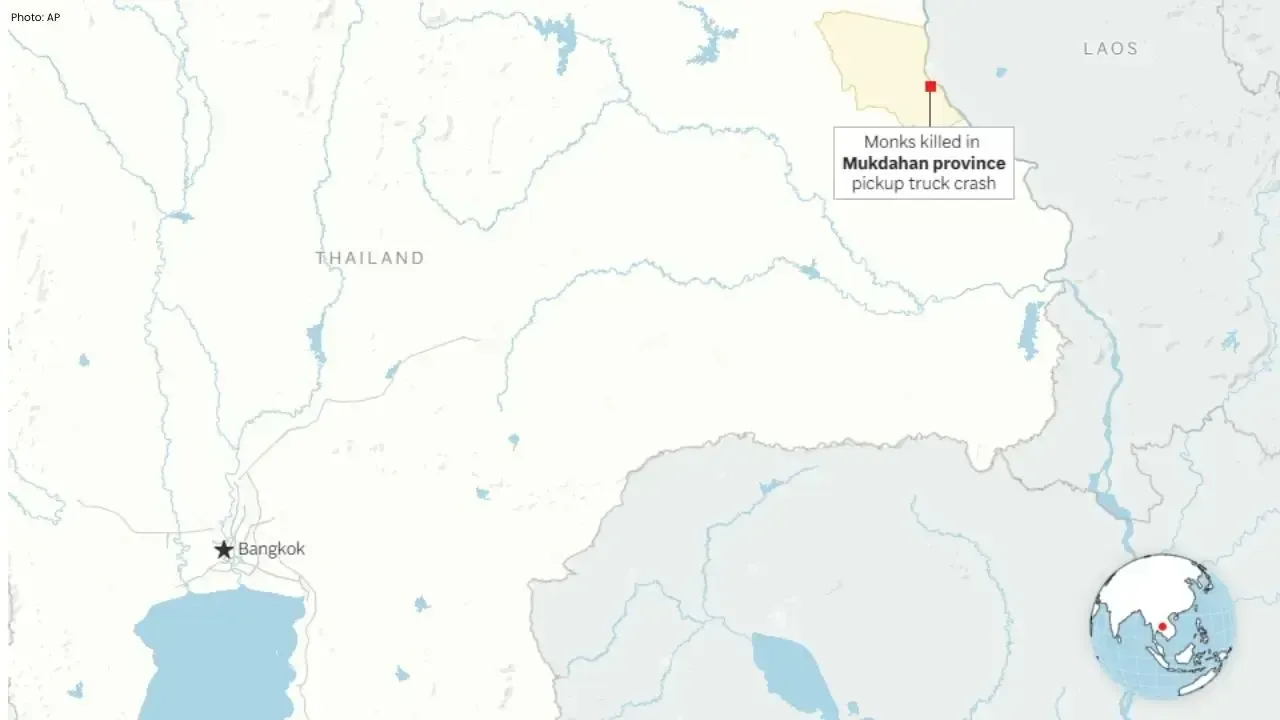
Nine Monks Killed in Thailand Pickup Truck Tragedy
An 11-year-old boy driving a pickup truck crashed into monks during a pilgrimage in northeastern Tha

Anwar Congratulates Xi on CPC's 105th Anniversary
Malaysia reaffirms strong ties with China as PM Anwar Ibrahim sends a congratulatory letter to Presi

Thai Agriculture Team Reviews 2026 Farm Development Plans
Agriculture Ministry officials inspected livestock and organic rice projects in Nakhon Sawan to moni

Thailand, Canada Boost Ties in PM-Level Phone Talks
Thailand and Canada agreed to strengthen trade, security, OECD cooperation and ASEAN-Canada FTA talk