
You have not yet added any article to your bookmarks!
Join 10k+ people to get notified about new posts, news and tips.
Do not worry we don't spam!

Post by : Anis Farhan
As cities continue to expand, high-rise buildings symbolize urban advancement, offering stunning views and modern conveniences. However, there's an ongoing debate: do these towering apartments create community connections, or do they nurture isolation for their inhabitants?
With growing urban populations and limited land, high-rises have become crucial housing options, seen in cities like Singapore, Mumbai, New York, and Dubai. But at what expense to social dynamics? This article explores the psychological effects, experiences of residents, and the architectural philosophies that shape high-rise living.
High-rise buildings aren't just engineering marvels; they address urgent urbanization needs by stacking living spaces vertically. This design helps maximize limited land, catering to the demand for affordable housing and easy access to work and amenities.
Over the past few years, these structures have transformed city skylines worldwide. To some, they embody aspiration and growth; to others, they represent a departure from communal living in favor of isolated vertical neighborhoods.
Planners and architects champion high-rise developments as modern communities, touting features like gardens and shared spaces. Yet, the reality often tells a different story.
Interviews conducted in cities such as Toronto, Hong Kong, and Bengaluru highlight a recurring theme: while shared amenities exist, genuine interactions can be exceedingly rare. Residents may encounter familiar faces in elevators but often remain strangers for years.
Life in a high-rise can feel lonely. Regular routines involve navigating silent hallways and waiting for elevators, where brief greetings often fail to evolve into meaningful exchanges.
Multiple factors contribute to this sense of isolation:
Insufficient Shared Amenities: While high-rises boast facilities, staggered usage limits spontaneous interactions.
Noisy Environments: Concerns about noise often deter residents from hosting gatherings.
Preference for Privacy: Many residents choose high-rises for their anonymity, unintentionally hindering community connection.
Studies indicate that individuals living in higher units often report feelings of loneliness, particularly when compared to those in more horizontally designed homes.
Unlike traditional neighborhoods where neighbors are easily accessible, high-rise living separates residents by floors, creating psychological barriers that inhibit casual interactions.
Children now engage in indoor play areas under adult supervision, often missing the chance to interact outdoors. Older adults, meanwhile, may struggle to navigate high-rise environments, especially when elevators replace stairs.
High-rises often create digital forums on platforms like WhatsApp, yet these rarely foster meaningful personal bonds. A large building filled with private families seldom replicates the warmth of traditional neighborhoods.
Not all high-rises are the same. Innovative architects are exploring designs that mitigate the feelings of isolation.
Recent designs prioritize open courtyards, rooftop gardens, and wide halls that encourage casual encounters—essential for developing community ties.
Integrating shops, cafes, and workspaces on lower levels can increase foot traffic and social interaction, transforming buildings into self-contained hubs.
Features such as communal lounges and transparent entrances encourage neighbors to linger, paving the way for social connections.
During COVID-19 lockdowns, isolation became a real concern. With families confined to their apartments, even elevator chats turned into vital lifelines, while balcony conversations emerged as a daily routine.
Amid chaos, proactive residents used digital tools to connect, leading to unexpected interactions and support systems that emphasized community.
A notable experiment occurred in Delhi when residents instituted a "doorstep dinner club," exchanging home-cooked meals weekly. This initiative gradually fostered lasting friendships, highlighting the potential for community interaction.
Research suggests residents on lower levels report better neighborly interactions, benefiting from proximity to common areas and less isolation.
Yet, it's crucial to recognize that many prefer high-rises for the same reasons critics condemn; they seek privacy and security from the community's intrusion.
Modern security measures provide reassurance to families and professionals alike.
While high-rises might seem inherently isolating, there's opportunity for connection and community.
Management Actions:
Organizing cultural events, workshops, and recreational activities.
Initiating community gardening projects on spaces like terraces.
Creating transparent and participatory management systems.
Resident Initiatives:
Hosting newcomer gatherings and "Know Your Neighbor" initiatives.
Organizing informal meetups, encouraging residents to engage.
Arranging book exchanges, food fairs, or hobby clubs in shared spaces.
Policy and Design Innovations:
Requiring designated interaction areas in forthcoming high-rise buildings.
Fostering mixed-age and multicultural community involvement.
The discussion surrounding high-rise living and social isolation is multifaceted. While these tall structures can foster anonymity, they also have enormous capacity for building community when designed and managed with thoughtfulness. Achieving this potential requires commitment from developers, managers, and particularly the residents themselves.
Ultimately, the future of community in high-rises depends on individuals willing to step out, engage, and redefine their relationships with neighbors.
This article is for informative and educational purposes only. The opinions expressed are not intended as professional psychological or architectural advice and individual experiences may vary.



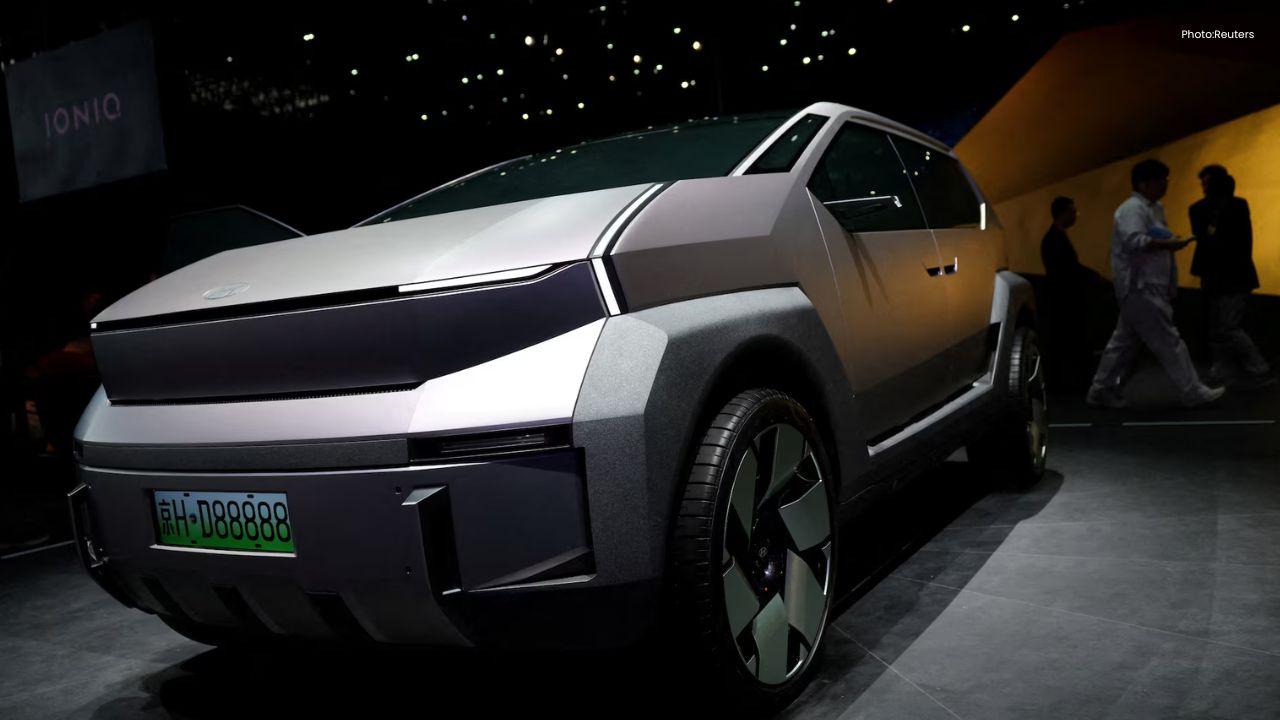





Hyundai raises profit target, expands hybrid lineup in the US
Hyundai hybrid cars get a major boost as the automaker raises its profit margin target and plans new

Josh Kerr and Jakob Ingebrigtsen Set for 1,500m Rivalry Rematch
Josh Kerr and Jakob Ingebrigtsen will renew their 1,500m rivalry at the Ultimate Championship in Bud

PSG Coach Luis Enrique Urges Players to Step Outside Comfort Zone
PSG coach Luis Enrique says players must leave their comfort zone and keep improving as the club tar

China’s Tiangong Sets New 400m Record at Robot Olympics
China’s Tiangong robot sets a new 400m record at the Robot Olympics, beating a South African robot i

George Russell Wins Dutch GP Sprint, Boosts Mercedes Morale
George Russell wins the Dutch GP Sprint from pole as Mercedes teammate Kimi Antonelli extends his F1

Australia 50/3 After Bangladesh Bowled Out for 64 in Second Test
Australia reached 50/3 after Bangladesh were bowled out for 64 in the second Test, with Mitchell Sta

