You have not yet added any article to your bookmarks!
Join 10k+ people to get notified about new posts, news and tips.
Do not worry we don't spam!
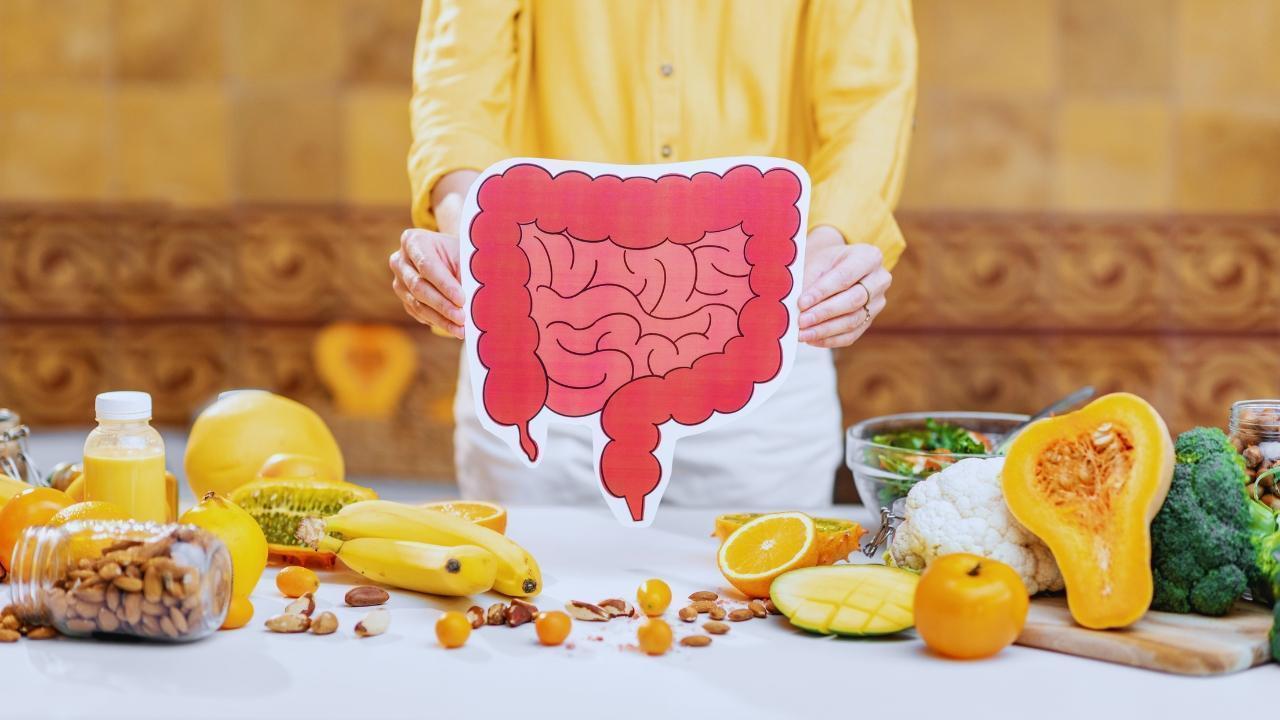
Post by : Anis Farhan
For decades, scientists believed that the brain controlled the body’s functions, sending instructions to other organs with little feedback in return. But modern research has flipped that understanding. It turns out the gut — often referred to as our “second brain” — plays an equally important role in shaping how we think, feel, and cope with life’s challenges. This intricate relationship, known as the gut-brain axis, has opened up new frontiers in understanding mental health conditions such as anxiety, depression, and even cognitive decline.
Emerging studies show that our gut microbiome — the trillions of bacteria and microorganisms living in the digestive tract — acts like a bustling city that communicates with the brain through a mix of chemical messengers, nerves, and hormones. If the balance of these microbes is disrupted, it can influence brain chemistry, potentially altering mood, stress levels, and decision-making abilities.
The gut-brain axis is essentially a two-way communication system between the central nervous system (brain and spinal cord) and the enteric nervous system (the vast network of neurons lining the gut). This network is so complex it contains about 100 million neurons — more than the spinal cord — earning it the nickname “second brain.”
Messages travel through several pathways:
The Vagus Nerve: The main highway connecting the gut and brain, transmitting both physical and chemical signals.
Hormones and Neurotransmitters: The gut produces around 95% of the body’s serotonin — the “feel-good” neurotransmitter that regulates mood.
Immune System Signals: The gut microbiome influences immune responses, which can, in turn, affect brain health.
When the gut is healthy, these pathways work in harmony, supporting mental stability. But an imbalanced gut — known as dysbiosis — can send “distress signals” to the brain, contributing to mood disorders and cognitive problems.
Our gut microbiome is shaped by diet, lifestyle, stress, and environmental exposure. A diverse, balanced microbiome supports better digestion, stronger immunity, and emotional resilience. On the flip side, a weakened or imbalanced microbiome has been linked to:
Increased risk of anxiety and depression
Heightened stress sensitivity
Cognitive decline in aging adults
Poor sleep quality and disrupted circadian rhythms
For example, certain bacteria like Lactobacillus and Bifidobacterium are known to produce short-chain fatty acids (SCFAs) that reduce inflammation in the brain, promote better sleep, and enhance mood regulation.
Stress is one of the most significant disruptors of gut health. Chronic stress triggers the release of cortisol, a hormone that can reduce the diversity of gut bacteria, damage the gut lining, and lead to inflammation. This creates a feedback loop: poor gut health increases stress sensitivity, and increased stress further damages gut health.
Research on stressed individuals has shown elevated markers of gut inflammation and altered microbiota composition, suggesting that mental strain can directly harm digestive health.
Nutrition is a major factor in the gut-brain relationship. Diets rich in fiber, fresh fruits, vegetables, whole grains, and fermented foods tend to promote a healthy microbiome. In contrast, processed foods, high sugar intake, and artificial additives can harm beneficial bacteria and encourage harmful strains to flourish.
Key foods for better gut and mental health include:
Fermented Foods: Yogurt, kefir, kimchi, sauerkraut
High-Fiber Foods: Oats, beans, lentils, leafy greens
Omega-3 Rich Foods: Salmon, chia seeds, walnuts
Polyphenol-Rich Foods: Dark chocolate, green tea, berries
Probiotics (live beneficial bacteria) and prebiotics (fiber that feeds good bacteria) have been found to improve not only gut health but also mood and cognitive function. Clinical trials have shown that people who take probiotics regularly report lower levels of stress and improved emotional balance.
One study found that individuals given a probiotic supplement for four weeks showed reduced anxiety symptoms compared to those taking a placebo. This is because probiotics help restore healthy microbiome diversity and reduce inflammation that can impact brain function.
Beyond serotonin, the gut also produces dopamine, gamma-aminobutyric acid (GABA), and other neurotransmitters that influence relaxation, motivation, and mental clarity. An imbalanced gut may underproduce these chemicals, potentially contributing to low mood, brain fog, and lack of motivation.
This finding has pushed mental health professionals to consider dietary and digestive health interventions alongside traditional therapies for anxiety and depression.
Scientists are now experimenting with psychobiotics — probiotics specifically chosen for their mental health benefits. Early results show promise for using gut-focused treatments in combination with talk therapy, medication, and lifestyle changes.
Other innovations include:
Fecal Microbiota Transplant (FMT): Transferring healthy gut bacteria from one person to another to restore microbial balance.
Personalized Nutrition: Using microbiome testing to tailor diets for mental health support.
Microbiome Modulating Drugs: Experimental medications aimed at shifting bacterial balance for mood regulation.
Maintaining both mental and digestive health requires a holistic approach:
Eat a diverse, nutrient-rich diet to feed beneficial bacteria.
Exercise regularly, which boosts microbial diversity and endorphin production.
Prioritize sleep, as poor rest disrupts gut bacteria balance.
Manage stress through mindfulness, meditation, or yoga.
Limit antibiotics to when they are medically necessary, as they can wipe out healthy gut bacteria.
As research progresses, more mental health care providers are likely to integrate gut health assessments into their practice. Instead of focusing solely on the brain, future treatment plans may include microbiome analysis, gut-friendly nutrition plans, and targeted probiotic supplementation.
The key takeaway is that mental health is not just “in our head.” It’s deeply connected to what’s happening in our digestive tract. Taking care of the gut may be one of the most powerful — and overlooked — ways to support emotional well-being.
This article is for informational purposes only and should not be taken as medical advice. Always consult a qualified healthcare professional before making changes to your diet, supplement routine, or mental health treatment plan.










Lamborghini Catches Fire on Singapore's ECP, Causing Heavy Traffic
A Lamborghini caught fire on Singapore's ECP, causing heavy traffic and bus delays. No injuries were

Bangkok Airport Duty-Free Area Flooded by Pipe Burst
A burst water pipe flooded the duty-free shopping area at Bangkok's Suvarnabhumi Airport on July 16,

Nine Monks Killed in Thailand Pickup Truck Tragedy
An 11-year-old boy driving a pickup truck crashed into monks during a pilgrimage in northeastern Tha

Anwar Congratulates Xi on CPC's 105th Anniversary
Malaysia reaffirms strong ties with China as PM Anwar Ibrahim sends a congratulatory letter to Presi

Thai Agriculture Team Reviews 2026 Farm Development Plans
Agriculture Ministry officials inspected livestock and organic rice projects in Nakhon Sawan to moni

Thailand, Canada Boost Ties in PM-Level Phone Talks
Thailand and Canada agreed to strengthen trade, security, OECD cooperation and ASEAN-Canada FTA talk