You have not yet added any article to your bookmarks!
Join 10k+ people to get notified about new posts, news and tips.
Do not worry we don't spam!
Post by : Anis Farhan
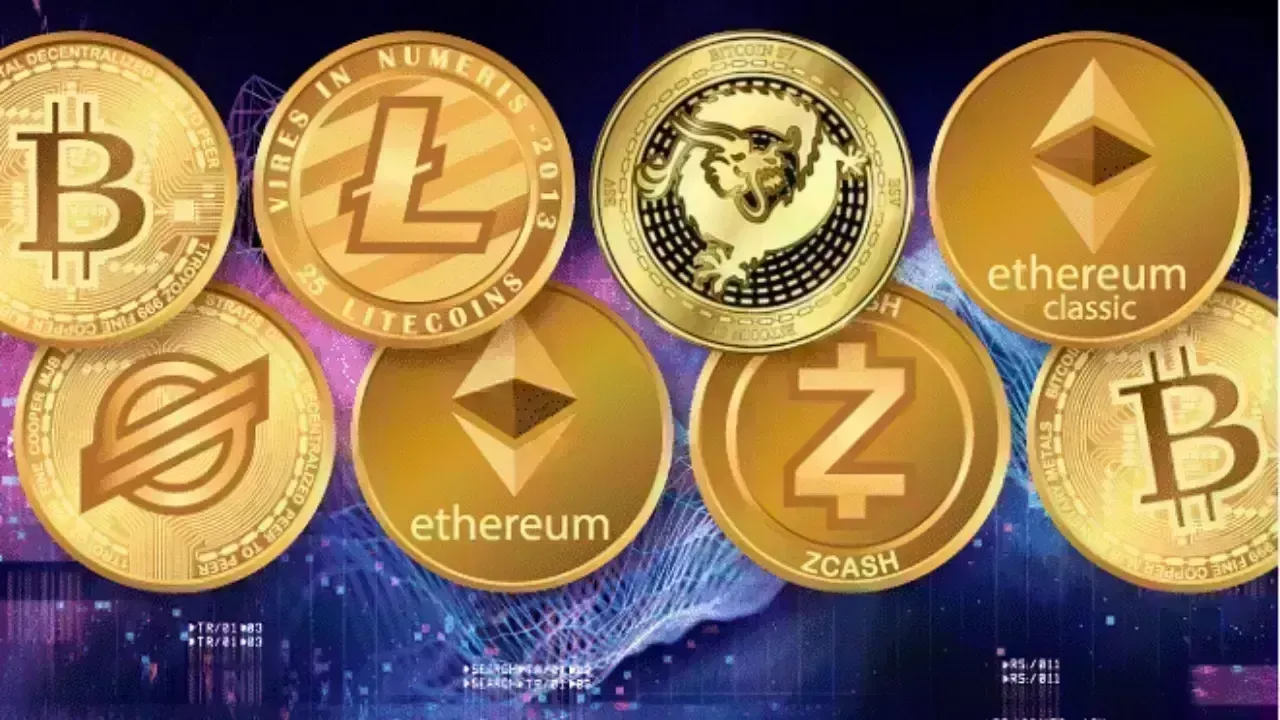
Cryptocurrency is a form of digital currency that exists only in electronic form and operates using cryptography for secure transactions. These digital assets are typically decentralised — meaning they function without a central authority like a bank or government — and run on a technology called blockchain, a distributed ledger that records transactions securely and transparently.
While the term “cryptocurrency” originally referred to Bitcoin — the first and most well-known example — the ecosystem today includes thousands of digital assets, each with different goals and features. Their diversity reflects the evolving use cases for blockchain technology, ranging from digital money to programmable contracts and decentralised finance.
Bitcoin (BTC) was the first cryptocurrency, introduced in 2009. It remains the most recognised and highest-valued digital currency in existence. Bitcoin was designed primarily as digital money — a decentralised medium of exchange and store of value that operates without intermediaries.
Primary use: Peer-to-peer transactions, long-term store of value
Key feature: Decentralised, capped supply (21 million BTC)
Market role: Often referred to as “digital gold” because of its role as a hedge and benchmark in crypto markets
Bitcoin’s influence shaped the broader cryptocurrency landscape, and other coins that followed are collectively known as “altcoins.”
Altcoins are any cryptocurrencies other than Bitcoin. The term originally described early challengers to Bitcoin but now includes thousands of different digital assets with varied functions.
Altcoins can serve many roles, including:
Peer-to-peer money alternatives similar to Bitcoin
Smart contract platforms powering decentralised applications
Utility tokens that enable access to specific services
Governance tokens that let holders vote on protocol decisions
Examples include Ethereum (ETH) — a platform for decentralised Apps and smart contracts — and many others that target specific niches within the crypto ecosystem.
Some cryptocurrencies aren’t just money — they are integral to broader blockchain ecosystems that enable programmable logic, decentralised finance (DeFi), and applications.
Ethereum is the best-known example. It functions not only as a currency but as the native token of a smart contract platform, allowing developers to create decentralised applications (dApps) and automated protocols.
Primary use: Fuel for executing contracts and transactions on the Ethereum network
Key innovation: Supports DeFi, NFTs, and decentralised apps
Other smart contract platforms include competitors that aim to improve performance, cost, or functionality relative to Ethereum.
One of the biggest technological and practical evolutions in cryptocurrency has been the rise of stablecoins. A stablecoin is designed to maintain a stable value by pegging its price to another asset — most commonly a fiat currency like the U.S. dollar — making it far less volatile than Bitcoin or other crypto coins.
Stablecoins serve important roles in the crypto economy, including:
Facilitating daily transactions without volatility
Acting as a medium of exchange in decentralised markets
Providing a stable on-ramp/out-ramp between crypto and fiat
Examples include USDC, which is pegged to the U.S. dollar and widely used for payments and trading.
In the crypto world, there’s a meaningful distinction between coins and tokens:
Coins operate on their own blockchain (e.g., Bitcoin, Ethereum)
Tokens operate on another blockchain and represent utilities, assets, or other value forms
Tokens include:
Utility tokens that grant access to services or features within a platform
Governance tokens which allow holders to vote on protocol decisions
Asset-backed tokens that represent ownership of real-world assets
Non-fungible tokens (NFTs) that signify unique digital ownership
These classifications show that crypto assets are more than currencies — they can be programmable digital assets with specialised roles.
Decentralised finance (DeFi) refers to blockchain-based financial services without traditional intermediaries. Tokens tied to DeFi platforms serve as integral parts of financial protocols. One example is Aave (AAVE), a token associated with a DeFi lending and borrowing ecosystem where users can earn interest or take loans without banks.
DeFi tokens often enable:
Participation in liquidity pools
Earning yield from deposited assets
Governance over protocol rules
Access to decentralised financial products
DeFi continues to grow as a key dimension of token utility.
Another category, often overlooked in mainstream lists, includes privacy-focused cryptocurrencies. These are designed to obscure transaction details, such as the sender, receiver, or amounts. Protocols using the CryptoNote standard power privacy coins like Monero and others that prioritise anonymity.
While controversial because of privacy risks, these cryptocurrencies highlight how different crypto architectures serve different user priorities.
While not always included in typical “cryptocurrency” lists, some national governments have introduced digital assets inspired by blockchain. An example is the Crypto Rial, announced by Iran’s central bank and pegged to the national currency, the rial. These digital currencies blend crypto technology with sovereign monetary policy.
These differ from decentralised cryptocurrencies because:
They are issued and controlled by a central authority
They aim to replace or supplement fiat currency digitally
This highlights how digital currency concepts are influencing central banks as well.
In decentralised ecosystems, you’ll encounter wrapped tokens, which represent one cryptocurrency on another chain (e.g., Wrapped Bitcoin on Ethereum). These allow assets to interoperate across blockchains, unlocking liquidity and broader DeFi participation.
While not a type of cryptocurrency in the classical sense, wrapped assets enrich how crypto assets interact across ecosystems.
Some cryptocurrencies represent a stake in real-world assets rather than purely financial tokens. Known as equity tokens, these digital assets represent ownership in a company, real estate, or other tangible assets, recorded on blockchain.
These bridge traditional finance with blockchain infrastructure, enabling fractional ownership and broader access for investors.
Cryptocurrency is far from uniform. It includes pure digital money like Bitcoin, stable assets tethered to fiat currency, programmable platforms that host decentralised applications, tokens representing utilities or ownership, privacy-enhanced coins, and even digital assets aligned with national monetary policy.
Understanding these different types helps clarify not just what cryptocurrency is, but how nuanced and flexible the technology has become. Digital assets are no longer just speculative vehicles — they are diverse technologies with real functions that span payments, finance, ownership, governance, and innovation.
Disclaimer: This article is informational and educational in nature. It is not financial or investment advice. Always conduct your own research or consult a professional before investing in cryptocurrencies.










Lamborghini Catches Fire on Singapore's ECP, Causing Heavy Traffic
A Lamborghini caught fire on Singapore's ECP, causing heavy traffic and bus delays. No injuries were

Bangkok Airport Duty-Free Area Flooded by Pipe Burst
A burst water pipe flooded the duty-free shopping area at Bangkok's Suvarnabhumi Airport on July 16,
Nine Monks Killed in Thailand Pickup Truck Tragedy
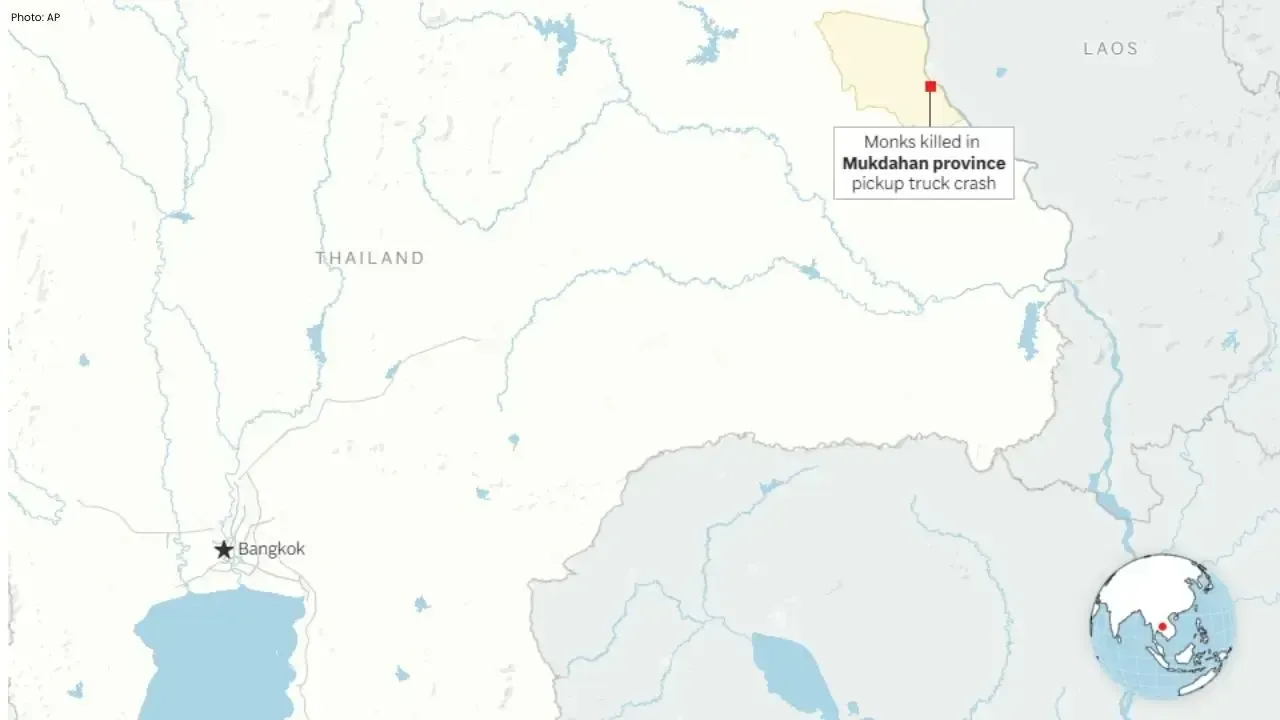
An 11-year-old boy driving a pickup truck crashed into monks during a pilgrimage in northeastern Tha
Anwar Congratulates Xi on CPC's 105th Anniversary
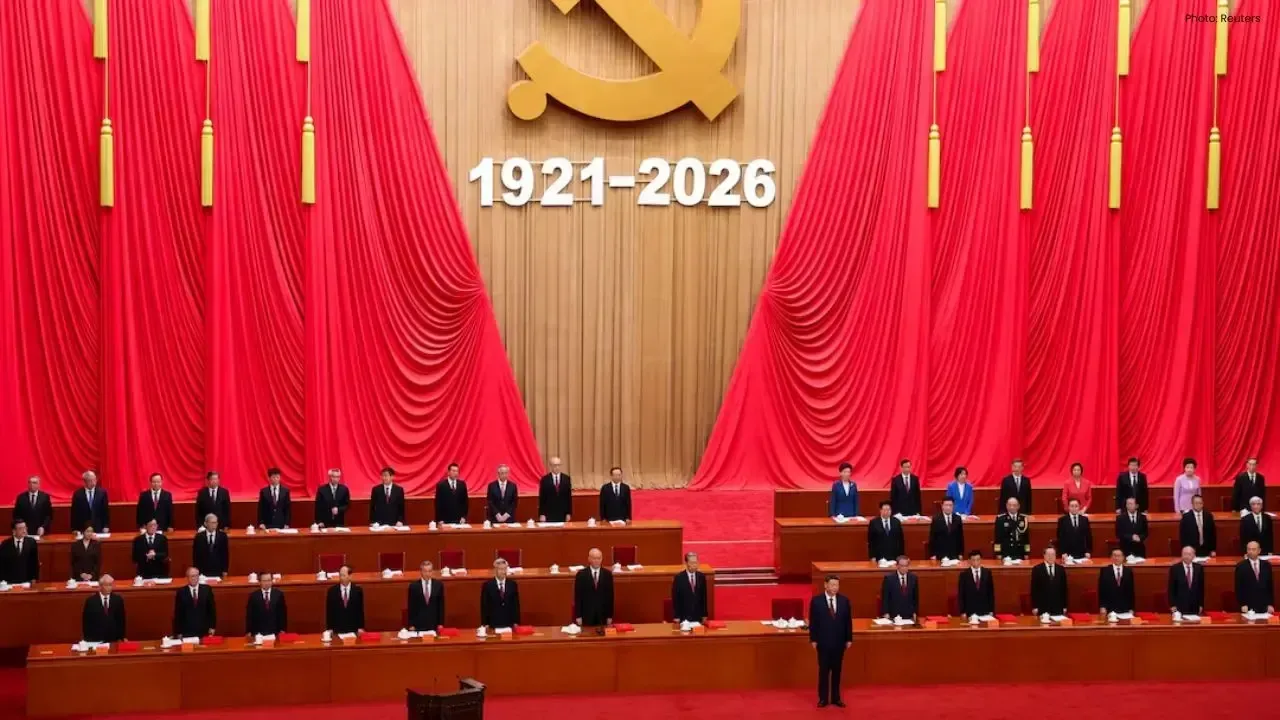
Malaysia reaffirms strong ties with China as PM Anwar Ibrahim sends a congratulatory letter to Presi

Thai Agriculture Team Reviews 2026 Farm Development Plans
Agriculture Ministry officials inspected livestock and organic rice projects in Nakhon Sawan to moni

Thailand, Canada Boost Ties in PM-Level Phone Talks
Thailand and Canada agreed to strengthen trade, security, OECD cooperation and ASEAN-Canada FTA talk