You have not yet added any article to your bookmarks!
Join 10k+ people to get notified about new posts, news and tips.
Do not worry we don't spam!
Post by : Anis Farhan
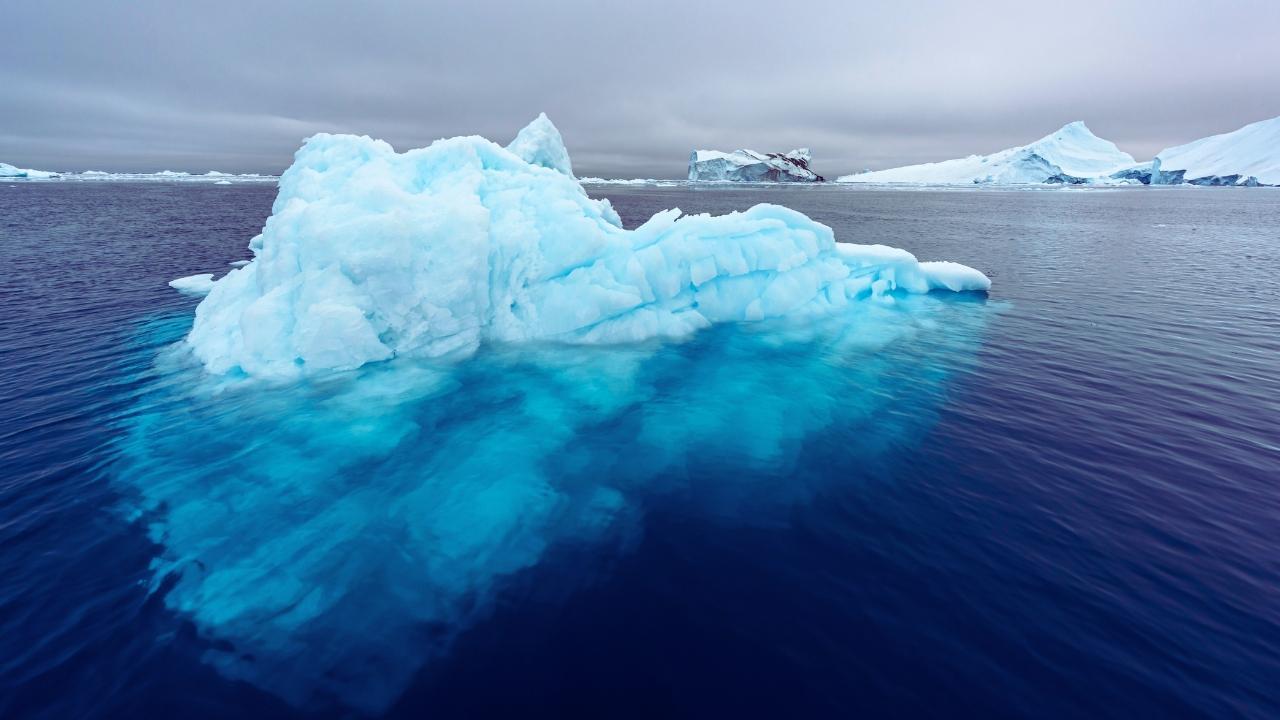
Glaciers are often seen as distant, frozen giants tucked away in mountain ranges or polar regions. For most of us, they feel far removed from daily life. Yet their slow disappearance carries direct consequences for billions of people. Rising seas, vanishing freshwater supplies, and disrupted ecosystems are just some of the ripple effects. The United Nations’ decision to dedicate a full year to glaciers’ preservation is not just symbolic—it is a loud global alarm. It calls on governments, communities, and individuals to recognize that what happens to glaciers will shape the planet’s future in profound ways.
Glaciers are more than stunning natural wonders. They are lifelines. In many regions, glaciers act as natural reservoirs, storing water in frozen form and releasing it steadily as they melt during warmer months. This slow release ensures rivers flow, crops get irrigated, and cities receive drinking water.
Consider the Himalayas, often referred to as the “Third Pole.” The ice there feeds major rivers like the Ganges, Mekong, and Yangtze, supporting nearly 2 billion people. When glaciers shrink too quickly, water security collapses, creating risks for agriculture, drinking supplies, and even electricity generation through hydropower.
Melting glaciers are one of the biggest contributors to rising sea levels. As ice sheets in Greenland, Antarctica, and other regions shrink, the water released flows into oceans, causing them to expand. Low-lying coastal cities—including some in Asia and the Middle East—are among the most vulnerable.
Dubai, though not at immediate risk, is part of a global network of coastal hubs that will feel the economic and environmental impacts of rising seas. Ports, trade, tourism, and real estate all depend on stable shorelines. If glaciers continue to disappear at the current pace, the resulting sea level rise could reshape maps and displace millions of people.
The science is clear: human activity is fueling climate change, and glaciers are the clearest indicators of its impact. Rising global temperatures accelerate ice melt, while soot from industrial activity darkens glacier surfaces, causing them to absorb more heat.
Some glaciers are retreating so fast that scientists now speak of “glacier extinction.” Once gone, these ice masses cannot simply regenerate. They take centuries, sometimes millennia, to form. The loss is not just physical—it represents an irreversible shift in Earth’s natural balance.
By declaring the International Year of Glaciers’ Preservation, the United Nations is urging nations to take coordinated action. The initiative aims to:
Fund scientific research to better understand glacier dynamics.
Build international cooperation on water management linked to glacial melt.
Promote awareness campaigns so ordinary people understand the stakes.
Encourage policies to cut emissions and slow warming.
This global effort is not just about saving ice. It’s about protecting ecosystems, communities, and economies that depend on glaciers—directly or indirectly.
Glaciers are silent partners in global food production. Their meltwater irrigates farms across Asia, Europe, and South America. When glaciers shrink, farming communities face unpredictable water supplies. Crops fail, food prices rise, and livelihoods are destroyed.
This instability can trigger larger economic and political problems. Food insecurity leads to migration, competition over resources, and in some cases, conflict. The UN’s focus on glaciers is therefore a call to safeguard food systems worldwide.
For many communities, glaciers hold cultural, spiritual, and historical significance. Indigenous populations in the Andes, Himalayas, and Arctic regions see glaciers as sacred entities, woven into traditions and storytelling. Their loss is not only an environmental crisis but also an erosion of cultural heritage.
Tourism is another dimension. From Switzerland’s Alpine resorts to Iceland’s ice caves, glaciers attract millions of visitors annually. As they retreat, entire industries and local economies face disruption. The disappearance of glaciers threatens identity, livelihoods, and heritage simultaneously.
While glaciers may feel far away, the fight for their preservation begins at home. Individuals can contribute by:
Reducing personal carbon footprints—through sustainable transport and energy choices.
Supporting clean energy policies and eco-friendly businesses.
Raising awareness in communities and schools about why glaciers matter.
Small actions may not halt ice melt directly, but collectively they create the political and social momentum needed for systemic change.
Scientists warn that if current trends continue, many small glaciers will vanish entirely this century. Large ice sheets may take longer but will contribute massively to sea level rise. The result would be a planet where coastal cities are constantly under threat, water shortages become normal, and weather patterns grow more extreme.
The UN’s International Year of Glaciers’ Preservation is, in essence, a last call. It is a reminder that the world must act now to secure a livable future. Saving glaciers is about much more than frozen landscapes—it is about ensuring stability for generations to come.
This article is intended for informational purposes only. It highlights global environmental concerns and should not be taken as scientific or policy advice. Readers are encouraged to follow updates from trusted climate organizations and local authorities for detailed guidance.






Jordan Burroughs Returns to Wrestling with 2028 Olympic Dream
Jordan Burroughs returns to wrestling with Real American Freestyle as the Olympic champion eyes a po

Lamborghini Catches Fire on Singapore's ECP, Causing Heavy Traffic
A Lamborghini caught fire on Singapore's ECP, causing heavy traffic and bus delays. No injuries were

Bangkok Airport Duty-Free Area Flooded by Pipe Burst
A burst water pipe flooded the duty-free shopping area at Bangkok's Suvarnabhumi Airport on July 16,
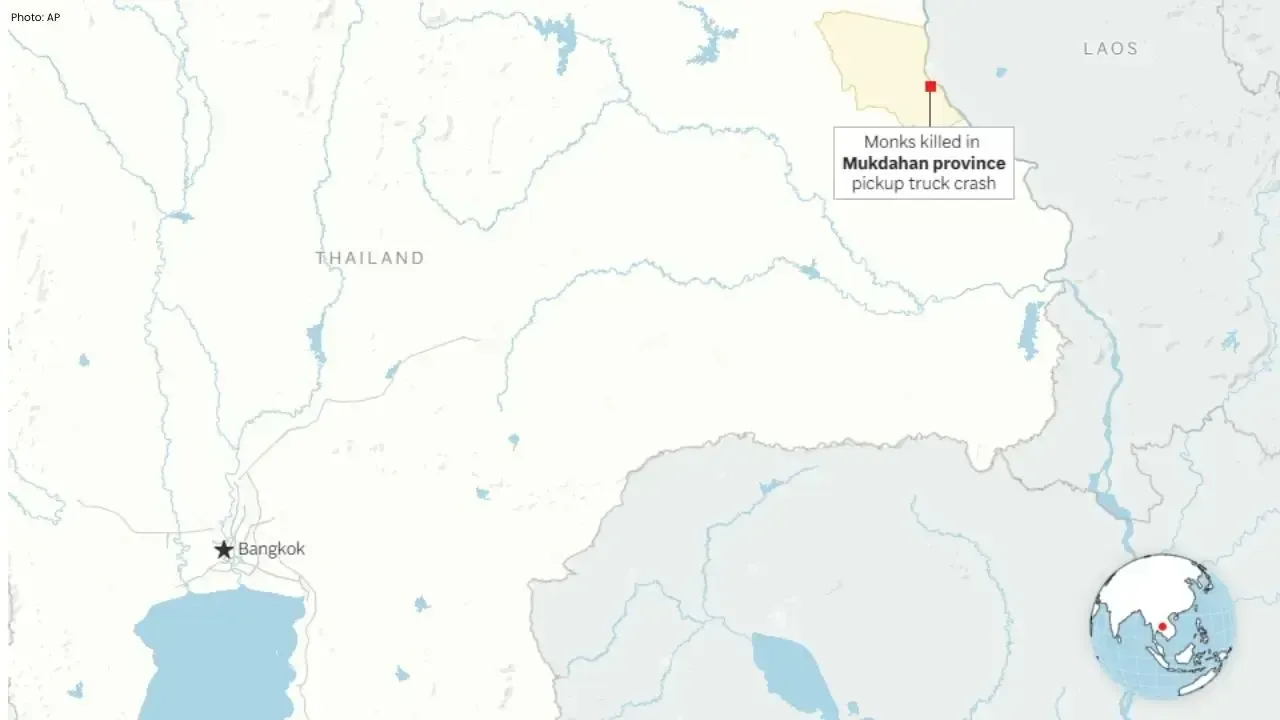
Nine Monks Killed in Thailand Pickup Truck Tragedy
An 11-year-old boy driving a pickup truck crashed into monks during a pilgrimage in northeastern Tha

Anwar Congratulates Xi on CPC's 105th Anniversary
Malaysia reaffirms strong ties with China as PM Anwar Ibrahim sends a congratulatory letter to Presi
Thai Agriculture Team Reviews 2026 Farm Development Plans
Agriculture Ministry officials inspected livestock and organic rice projects in Nakhon Sawan to moni