You have not yet added any article to your bookmarks!
Join 10k+ people to get notified about new posts, news and tips.
Do not worry we don't spam!
Post by : Anis Farhan
India’s food delivery landscape has witnessed a remarkable evolution over the last decade. From traditional dine-in restaurants to online delivery platforms, the way people access meals has transformed dramatically. Among the most disruptive innovations are ghost kitchens and cloud kitchens, which are rapidly reshaping the industry. Unlike conventional restaurants, these kitchens operate without dine-in spaces, relying entirely on online orders and delivery services.
The rise of these kitchens is closely linked to the growth of food delivery apps, urbanization, and changing consumer behavior. Urban dwellers, particularly millennials and Gen Z, increasingly prefer convenient, home-delivered meals. Ghost and cloud kitchens cater to this demand by offering high-quality food at lower costs, faster preparation times, and a wider variety of cuisines.
These kitchens are not merely a passing trend; they represent a structural shift in the food industry. The COVID-19 pandemic accelerated this change, compelling restaurants to rethink traditional business models and embrace technology-driven solutions. Today, ghost and cloud kitchens are emerging as a lucrative, sustainable, and scalable model for restaurateurs and startups alike.
Ghost kitchens, also known as virtual kitchens or dark kitchens, are professional food preparation units designed exclusively for delivery. They do not have a physical storefront or dine-in space, significantly reducing overhead costs. The kitchen operates solely to prepare food ordered online through apps like Swiggy, Zomato, and Dunzo in India.
Cloud kitchens take this concept further by housing multiple virtual restaurant brands under one roof. A single cloud kitchen facility can host several food brands, each catering to different cuisines and target audiences. This model allows entrepreneurs to experiment with various concepts without the high risk associated with traditional brick-and-mortar establishments.
The key advantages of these models include lower capital expenditure, flexible menus, reduced staffing requirements, and data-driven decision-making. By leveraging technology, these kitchens can optimize delivery routes, predict demand patterns, and streamline operations.
India’s ghost and cloud kitchen market has seen exponential growth in recent years. Reports indicate that the sector is expected to reach a valuation of several billion dollars by 2027, driven by urban demand, technological adoption, and investment from venture capitalists. Startups like Rebel Foods (Faasos, Behrouz Biryani), Box8, and InnerChef have pioneered cloud kitchen models, demonstrating profitability and scalability.
Investors are attracted by the low operational risk and high growth potential of these kitchens. Unlike traditional restaurants, which require prime real estate, heavy marketing budgets, and extensive staff, cloud kitchens operate efficiently with minimal fixed costs. This efficiency enables brands to expand rapidly across cities and regions, often within months rather than years.
Moreover, collaborations with delivery platforms enhance visibility, enabling smaller brands to compete with established names. The digital ecosystem ensures that consumer feedback is collected in real-time, allowing kitchens to refine menus, introduce seasonal dishes, and maintain quality standards.
The popularity of ghost and cloud kitchens is closely tied to evolving consumer preferences. Urban customers increasingly prioritize convenience, speed, and variety over traditional dining experiences. Busy professionals, students, and young families prefer ordering food online, particularly during peak working hours or social occasions.
The wide array of cuisines available through ghost and cloud kitchens—from traditional Indian fare to international delicacies—appeals to diverse tastes. Brands experiment with fusion dishes, regional specialties, and diet-specific options, including vegan, gluten-free, and keto-friendly meals. This adaptability is challenging for conventional restaurants with fixed menus and limited kitchen space.
Furthermore, loyalty programs, app-based discounts, and personalized recommendations have strengthened consumer engagement. Data analytics enables kitchens to anticipate ordering trends, plan inventory efficiently, and offer targeted promotions, ensuring higher customer satisfaction and repeat orders.
Technology is the backbone of ghost and cloud kitchens. Digital platforms manage orders, track delivery logistics, monitor kitchen operations, and provide analytical insights. Artificial intelligence and machine learning help predict peak ordering times, optimize preparation processes, and reduce food wastage.
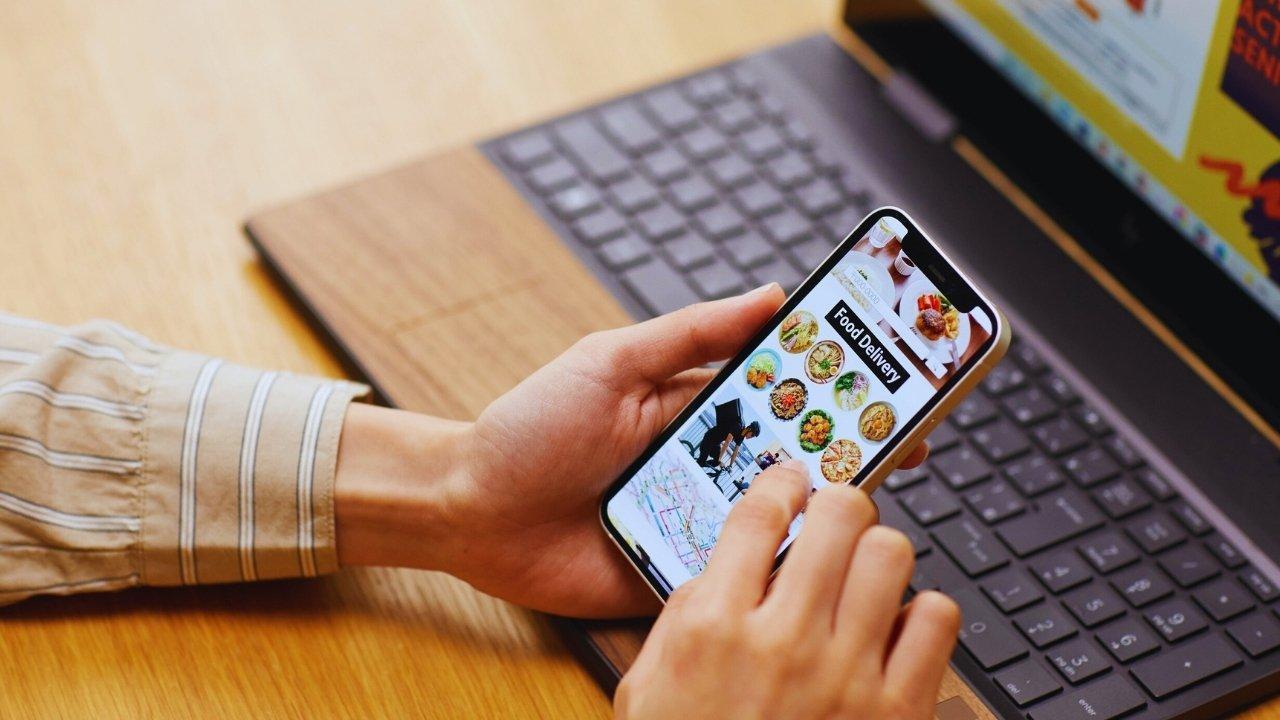
Mobile apps allow consumers to browse menus, customize orders, and track deliveries in real-time. Cloud kitchens often integrate with multiple delivery platforms simultaneously, maximizing reach and minimizing idle kitchen capacity. Payment gateways, digital wallets, and subscription models further enhance the user experience, ensuring a seamless, contactless transaction process.
Technology also enables virtual branding. Since customers cannot physically visit these kitchens, marketing focuses on app interfaces, social media presence, and digital storytelling. High-quality photos, engaging videos, and influencer promotions help virtual restaurants build a loyal consumer base.
The rise of ghost and cloud kitchens has forced traditional restaurants to rethink their strategies. Many established restaurants have launched virtual brands operating out of existing kitchens, effectively creating multiple revenue streams without additional space.
This trend has intensified competition but also opened new avenues for growth. Restaurants can now explore niche markets, expand delivery options, and experiment with new cuisines without the burden of high capital investment. Collaboration with cloud kitchen providers enables them to tap into efficient logistics, technology solutions, and customer insights.
However, some challenges remain. Maintaining food quality during delivery, managing customer expectations, and ensuring brand visibility in a crowded digital space are critical factors. Restaurants must balance operational efficiency with innovation to stay competitive.
Contrary to initial concerns, ghost and cloud kitchens have generated employment opportunities across various levels. These include chefs specializing in delivery-optimized dishes, kitchen managers, food technologists, supply chain coordinators, and digital marketing professionals.
Training programs focus on speed, quality, hygiene, and customer satisfaction, reflecting the demands of delivery-centric operations. Additionally, cloud kitchens encourage entrepreneurship by allowing small-scale operators and home chefs to launch virtual brands without substantial capital investment. This democratization of the food business fosters innovation and diversity in offerings.
While the future appears promising, ghost and cloud kitchens face several challenges. High dependence on delivery platforms creates vulnerabilities in commission structures and brand control. Intense competition, quality control, and customer retention remain pressing concerns.
Regulatory issues, including food safety compliance, zoning regulations, and licensing requirements, also influence expansion plans. Kitchens must adopt strict hygiene standards, digital record-keeping, and traceability protocols to gain consumer trust.
Looking ahead, hybrid models combining dine-in, delivery, and cloud kitchens may emerge as the norm. Sustainable practices, eco-friendly packaging, and integration with smart kitchens and IoT devices are likely to define the next phase of growth. As consumer expectations evolve, adaptability, technological integration, and creative branding will be key differentiators.
Ghost and cloud kitchens are more than a business innovation; they represent a paradigm shift in India’s culinary ecosystem. By embracing technology, minimizing costs, and catering to urban lifestyles, these kitchens are changing the way food is prepared, delivered, and experienced.
For consumers, this means greater variety, faster delivery, and improved convenience. For entrepreneurs and restaurateurs, it offers flexibility, scalability, and the opportunity to experiment with new concepts. Investors see potential for growth, while employees gain exposure to modern culinary operations and digital business management.
As India’s food culture continues to evolve, ghost and cloud kitchens are poised to remain at the forefront of this transformation. They embody the perfect blend of innovation, efficiency, and consumer-centric approach, heralding a new era for the country’s food delivery industry.
This article is written for informational and educational purposes, providing an overview of the ghost and cloud kitchen industry in India. Readers and entrepreneurs should conduct independent research and consult industry experts before making investment or business decisions.










George Russell Wins Dutch GP Sprint, Boosts Mercedes Morale
George Russell wins the Dutch GP Sprint from pole as Mercedes teammate Kimi Antonelli extends his F1

Australia 50/3 After Bangladesh Bowled Out for 64 in Second Test
Australia reached 50/3 after Bangladesh were bowled out for 64 in the second Test, with Mitchell Sta

Jordan Burroughs Returns to Wrestling with 2028 Olympic Dream
Jordan Burroughs returns to wrestling with Real American Freestyle as the Olympic champion eyes a po

Lamborghini Catches Fire on Singapore's ECP, Causing Heavy Traffic
A Lamborghini caught fire on Singapore's ECP, causing heavy traffic and bus delays. No injuries were

Bangkok Airport Duty-Free Area Flooded by Pipe Burst
A burst water pipe flooded the duty-free shopping area at Bangkok's Suvarnabhumi Airport on July 16,

Nine Monks Killed in Thailand Pickup Truck Tragedy
An 11-year-old boy driving a pickup truck crashed into monks during a pilgrimage in northeastern Tha