
You have not yet added any article to your bookmarks!
Join 10k+ people to get notified about new posts, news and tips.
Do not worry we don't spam!
Post by : Rameen Ariff
Berlin, Germany – Renewable energy continued to dominate Germany’s electricity supply in the first three quarters of 2025, providing nearly 57 percent of total demand, according to new data released by the Centre for Solar Energy and Hydrogen Research Baden-Württemberg (ZSW) and the German Association of Energy and Water Industries (BDEW). The share remains consistent with last year’s level.
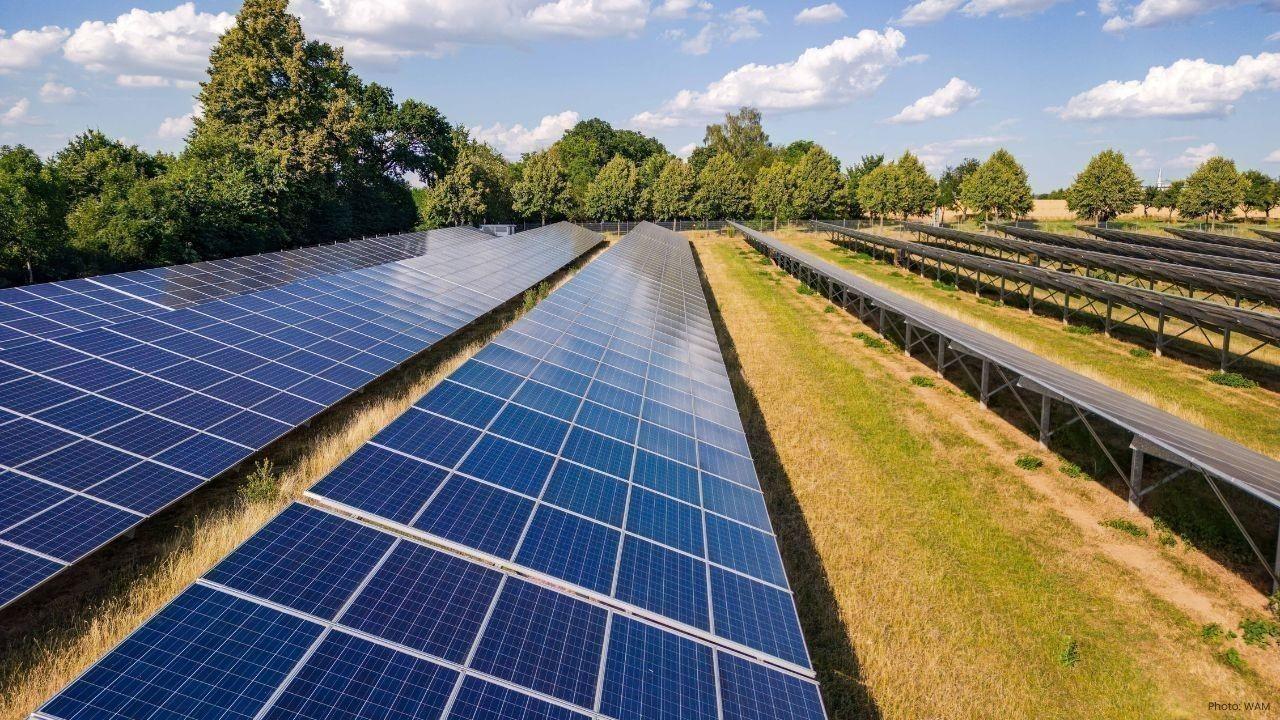
The figures highlight a strong increase in solar power generation, which grew by nearly 25 percent compared to 2024, fueled by favorable sunshine hours and an expansion of solar installations. On the other hand, onshore wind energy output declined by 12 percent due to weaker wind conditions earlier in the year, while offshore wind production remained stable.
Overall, Germany’s gross electricity production rose slightly by 0.9 percent compared with the same period last year. Fossil fuels still play a role in the energy mix, with lignite and hard coal contributing just over 20 percent and gas-fired power plants around 16 percent, ensuring supply stability when renewable output is low.
Government Adjusts Energy Transition Plans
Germany’s Economy and Energy Minister, Katherina Reiche, said the government is reviewing its energy transition, or Energiewende, strategy in light of slower-than-expected growth in electricity demand. One proposed change includes reducing or ending subsidies for small rooftop solar systems, which have been popular among households but criticized for increasing electricity costs.
Despite potential adjustments, the government reaffirmed its long-term goal of increasing renewable energy’s share of electricity consumption to 80 percent by 2030. Reiche emphasized the commitment to sustainability, energy efficiency, and grid modernization.
Industry Reactions and Challenges
Energy analysts noted that while solar energy showed strong resilience, the decline in wind output underscores the importance of maintaining a balanced renewable mix. Experts stressed that solar, wind, hydro, and biomass together are essential for a stable and reliable energy supply as Germany continues phasing out coal and gas.
The data also highlights ongoing challenges in balancing energy costs with investment in renewable infrastructure. Policymakers are considering targeted support for large-scale solar and wind projects to reduce costs and maintain public trust in the energy transition.
Broader Context: Germany’s Climate Goals
Germany has been a global leader in renewable energy since the early 2000s, aiming to phase out nuclear power, cut fossil fuel use, and expand clean energy. The country’s climate law targets a 65 percent reduction in greenhouse gas emissions by 2030 compared to 1990 levels. Meeting this goal relies heavily on accelerating renewable growth, expanding storage and grid capacity, and managing fluctuations between solar-rich summers and wind-heavy winters.
The European Union’s Green Deal further reinforces the need for Germany to stay on track. The latest figures confirm that renewable energy remains the backbone of Germany’s electricity system, even as policymakers adjust strategies to balance sustainability, reliability, and affordability.









Josh Kerr and Jakob Ingebrigtsen Set for 1,500m Rivalry Rematch
Josh Kerr and Jakob Ingebrigtsen will renew their 1,500m rivalry at the Ultimate Championship in Bud

PSG Coach Luis Enrique Urges Players to Step Outside Comfort Zone
PSG coach Luis Enrique says players must leave their comfort zone and keep improving as the club tar

China’s Tiangong Sets New 400m Record at Robot Olympics
China’s Tiangong robot sets a new 400m record at the Robot Olympics, beating a South African robot i

George Russell Wins Dutch GP Sprint, Boosts Mercedes Morale
George Russell wins the Dutch GP Sprint from pole as Mercedes teammate Kimi Antonelli extends his F1

Australia 50/3 After Bangladesh Bowled Out for 64 in Second Test
Australia reached 50/3 after Bangladesh were bowled out for 64 in the second Test, with Mitchell Sta

Jordan Burroughs Returns to Wrestling with 2028 Olympic Dream
Jordan Burroughs returns to wrestling with Real American Freestyle as the Olympic champion eyes a po

