You have not yet added any article to your bookmarks!
Join 10k+ people to get notified about new posts, news and tips.
Do not worry we don't spam!
Post by : Anis Farhan
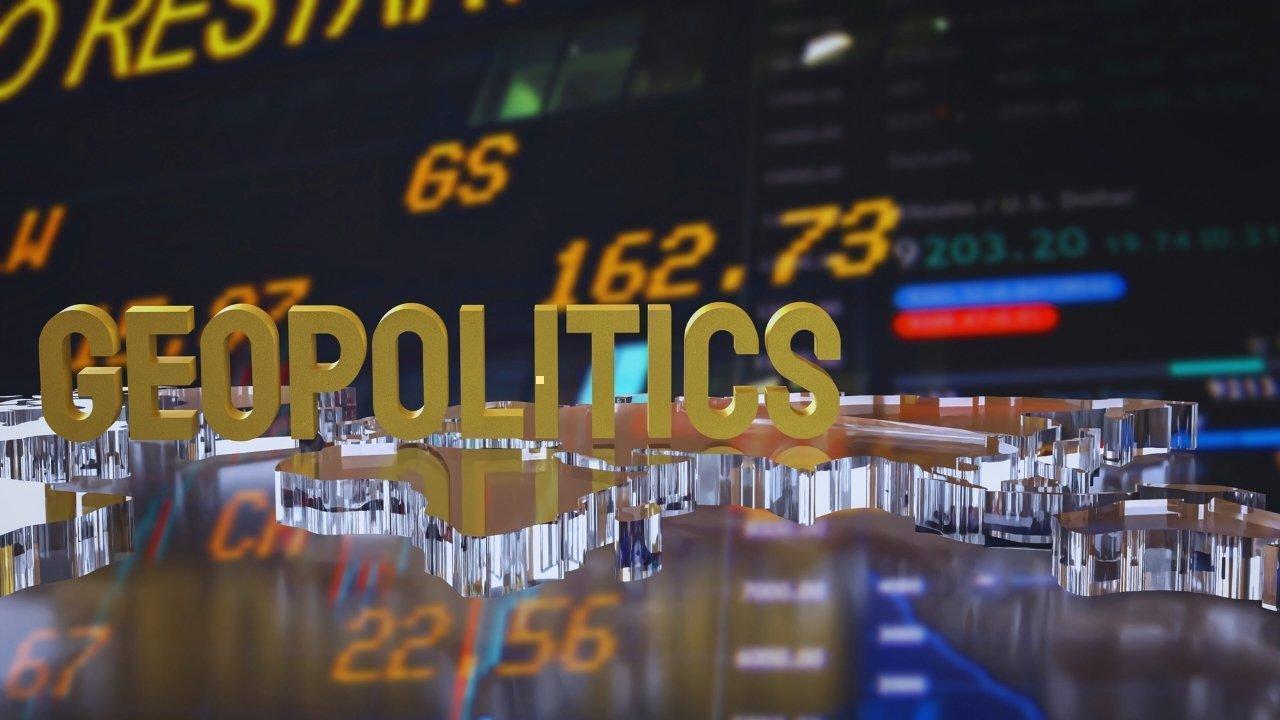
For decades, business schools focused on strategy, finance, marketing, and operations, often treating politics as a peripheral issue. But the world has changed. Globalization, once thought to unite economies seamlessly, has been replaced by fragmentation. Trade wars, energy crises, sanctions, and technological rivalries have made geopolitics unavoidable for corporate leaders.
Executives can no longer afford to ignore the political climate. A CEO’s ability to navigate tariffs or anticipate the impact of a diplomatic fallout can be as important as understanding quarterly financials. Business schools are responding by weaving geopolitics into their curriculum, ensuring graduates have the tools to lead in uncertain environments.
The past decade has demonstrated that political shifts can disrupt even the most well-planned corporate strategies. Consider the ripple effects of Russia’s war in Ukraine on energy markets, or U.S.-China tensions on semiconductor supply chains. Companies across industries have faced rising costs, regulatory hurdles, and reputational challenges due to geopolitics.
For businesses, geopolitics is no longer abstract. It determines supply routes, investment choices, workforce decisions, and technological priorities. Leaders must grasp these dynamics to avoid being blindsided by global shocks. Business schools now view geopolitical literacy as essential, much like accounting or data analytics.
Top business schools in the U.S., Europe, and Asia are redesigning their programs to integrate geopolitics. Case studies that once revolved around competitive strategy now include analysis of sanctions, energy dependency, or diplomatic standoffs. Professors are collaborating with political scientists, economists, and diplomats to bring real-world complexity into the classroom.
Electives on global risk, political economy, and regional studies are in high demand. Some schools have even launched dedicated “Geopolitical Risk” MBA tracks, blending business acumen with global affairs. Students learn how to assess country risks, predict regulatory outcomes, and devise contingency plans for unstable markets.
This trend reflects a growing understanding that tomorrow’s leaders need more than financial models—they need geopolitical instincts.
Business schools are increasingly using real-world crises as teaching tools:
The U.S.-China Trade War: Students examine how tariffs forced companies to rethink supply chains and diversify manufacturing bases.
The Ukraine Conflict: Lessons focus on energy dependency, sanctions, and the corporate role in humanitarian crises.
The Middle East Shifts: Classes explore oil market fluctuations, regional instability, and opportunities in diversification strategies.
Global Tech Wars: Case studies show how AI, chips, and digital infrastructure have become geopolitical flashpoints affecting corporate strategy.
These case studies help future executives think like risk managers, anticipating global shifts before they hit balance sheets.
Geopolitical education isn’t just about memorizing international relations theories. It’s about building practical skills that executives can use in boardrooms:
Risk Mapping: Identifying vulnerabilities in global supply chains.
Scenario Planning: Preparing for multiple political outcomes simultaneously.
Stakeholder Management: Balancing shareholder expectations with ethical and geopolitical realities.
Cross-Cultural Communication: Understanding how cultural nuances shape negotiations.
Policy Awareness: Tracking laws, sanctions, and trade agreements that affect operations.
By combining these skills with traditional business training, graduates can lead organizations more effectively in volatile environments.
Companies that understand geopolitics often turn uncertainty into opportunity. For instance, firms that diversified supply chains before U.S.-China tensions worsened were better positioned to adapt. Similarly, businesses that invested early in renewable energy benefited when fossil fuel prices spiked during geopolitical crises.
Business schools are teaching students that geopolitical literacy is not just about survival—it’s about seizing advantages when competitors are paralyzed by uncertainty.
Technology plays a growing role in how geopolitics is taught. Simulation tools allow students to model the impact of sanctions, cyberattacks, or energy shortages on global markets. Artificial intelligence helps forecast risks by analyzing massive datasets. Virtual reality programs even recreate crisis negotiation scenarios, allowing students to practice decision-making under pressure.
These innovations turn abstract global conflicts into tangible lessons for future leaders.
Students themselves are pushing for more geopolitical education. With careers increasingly tied to global markets, they see geopolitical awareness as a vital skillset for consulting, investment banking, energy, and tech. Recruiters also value candidates who can analyze risks beyond spreadsheets.
Graduates with geopolitical training often move into specialized roles—risk management, strategy consulting, or government affairs within corporations. This growing demand ensures that geopolitics will remain a staple of business education for years to come.
Despite its importance, integrating geopolitics into business curricula comes with challenges. Political issues are complex, fast-changing, and often sensitive. Professors must avoid partisanship while still providing practical insights. Business schools also struggle with balancing depth and breadth—should students focus on regional expertise, or global frameworks?
Moreover, geopolitics doesn’t lend itself to simple formulas. Unlike accounting or marketing, geopolitical outcomes can be unpredictable. Schools must train students to handle ambiguity, a skill often uncomfortable for those used to structured business models.
Looking ahead, geopolitical education in business schools will likely expand further. Partnerships between universities, think tanks, and multinational corporations will deepen. Short-term executive programs on geopolitical risk are already attracting CEOs and policymakers, signaling that demand extends beyond full-time students.
As climate change, technology, and shifting alliances reshape the world, geopolitics will only grow more important. Business leaders who ignore it risk falling behind, while those who master it will lead with foresight and resilience.
Geopolitical education has moved from the margins of business training to its very core. In a world where global conflicts dictate markets, supply chains, and investments, leaders must be as fluent in diplomacy as they are in finance. By preparing students to navigate uncertainty, business schools are shaping a new generation of executives—ones who understand that in today’s world, strategy and geopolitics are inseparable.
This article is an educational analysis of evolving trends in business education. It is not intended as policy or academic advice but as a broad overview of how geopolitics is shaping business leadership training.





Jordan Burroughs Returns to Wrestling with 2028 Olympic Dream
Jordan Burroughs returns to wrestling with Real American Freestyle as the Olympic champion eyes a po

Lamborghini Catches Fire on Singapore's ECP, Causing Heavy Traffic
A Lamborghini caught fire on Singapore's ECP, causing heavy traffic and bus delays. No injuries were

Bangkok Airport Duty-Free Area Flooded by Pipe Burst
A burst water pipe flooded the duty-free shopping area at Bangkok's Suvarnabhumi Airport on July 16,

Nine Monks Killed in Thailand Pickup Truck Tragedy
An 11-year-old boy driving a pickup truck crashed into monks during a pilgrimage in northeastern Tha
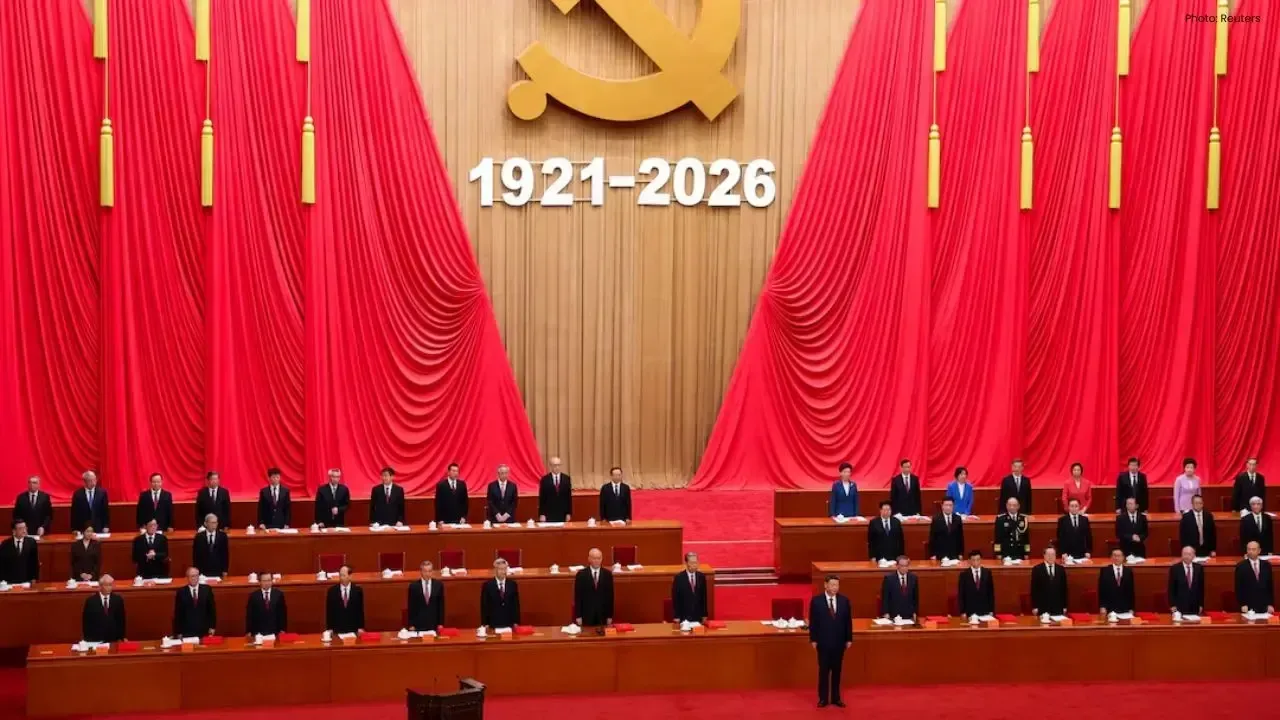
Anwar Congratulates Xi on CPC's 105th Anniversary
Malaysia reaffirms strong ties with China as PM Anwar Ibrahim sends a congratulatory letter to Presi
Thai Agriculture Team Reviews 2026 Farm Development Plans
Agriculture Ministry officials inspected livestock and organic rice projects in Nakhon Sawan to moni