You have not yet added any article to your bookmarks!
Join 10k+ people to get notified about new posts, news and tips.
Do not worry we don't spam!
Post by : Anis Farhan
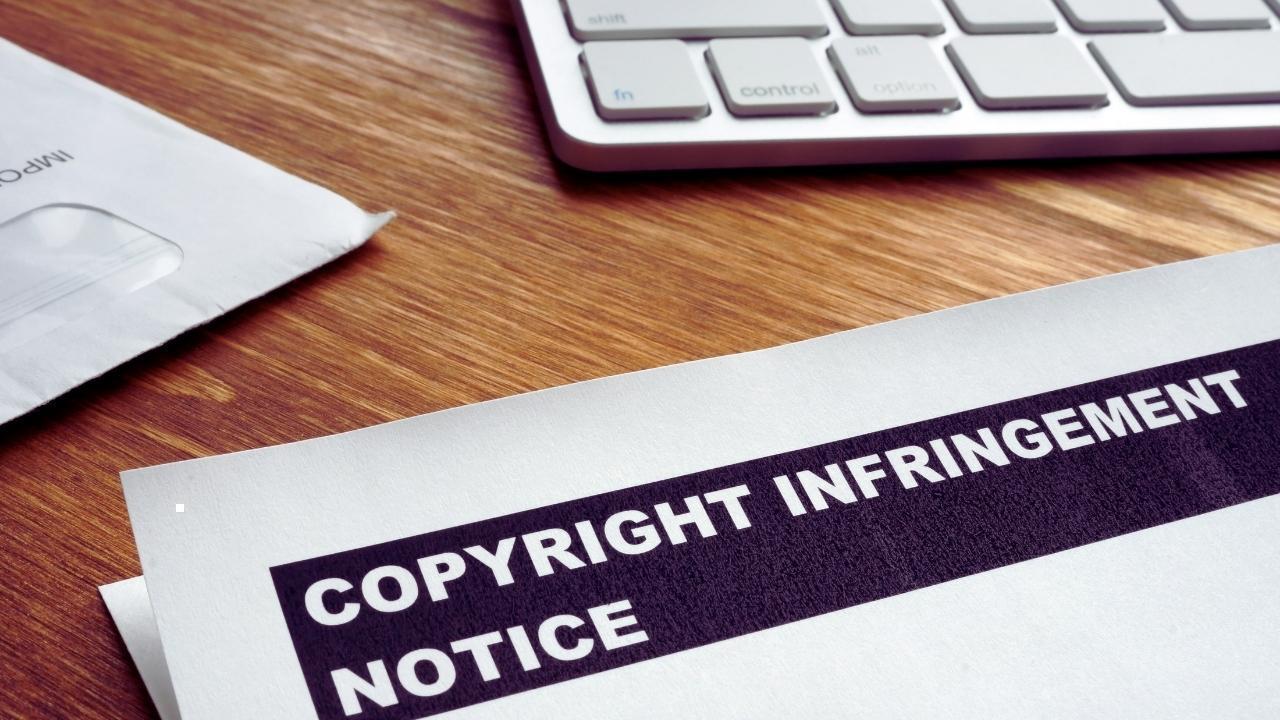
Generative AI—powerful tools that can compose text, draft images, produce music, and mimic voices—has exploded in popularity. Whether you're a writer, designer, musician, or filmmaker, you may well have encountered AI-generated content. But while these tools can supercharge creativity, they also spark thorny copyright—and ethical—questions that are still being sorted out in courts, creative communities, and policy arenas.
In 2025, creators face a patchwork of risks: from inadvertently infringing on existing works to broader concerns about ownership of AI-generated content. For professionals and hobbyists alike, navigating these uncharted waters demands a blend of knowledge, vigilance, and forward-thinking practices.
1.1 Training Data Origins
Many generative AI systems are trained on massive sets of public and private works. That raises the question: if an AI’s output reflects its training data too closely—say, echoing a distinctive phrase or visual style—it could infringe on the original creator’s rights.
1.2 Transformative Use vs. Derivative Output
Copyright law often hinges on whether new content transforms—adding new meaning or insights—or merely replicates. But generative outputs blur this line, making it unclear whether they are legally "fair use" or unauthorized derivatives.
1.3 Ownership Ambiguities
When an AI creates something, who owns the rights? The tool’s developer? The user? The ambiguity can leave creators uncertain about their own rights. Will courts grant copyright where no human creativity is evident? That’s still unsettled.
2.1 U.S. and EU Divergence
In the U.S., courts have struggled with cases involving AI-generated works. Some rulings have concluded that entirely AI-generated outputs may not qualify for copyright. Meanwhile, the EU has been more active, pursuing updates through its copyright reform and AI policy frameworks to clarify human authorship and rights.
2.2 Licensing Databases to Train Models
Some creators and publishers are pushing back by demanding AI developers license or pay for datasets. Organizations representing photographers, journalists, and authors are negotiating licensing agreements to protect their intellectual property.
2.3 Emerging Precedents
In early 2025, courts heard cases weighing whether AI images that mimic specific artists’ styles cross a legal line. Though many rulings are pending, these cases have already set expectations—AI tools must better ensure training data transparency and harder boundaries for original style mimicry.
3.1 Maintain Clear Version Control
If you use AI to draft content—say, a sketch or outline—keep annotated records indicating your own edits and creative input. This documentation strengthens claims of human authorship.
3.2 Use AI That Discloses Training Origins
Some generative platforms now provide transparency about the datasets they learned from. Opt for tools that clearly state whether commercial data or public domain sources were used.
3.3 Create Hybrid Workflows
Don't rely solely on AI for creative substance. Use it for ideation, inspiration, or structure, but ensure final output retains your distinctive input—your voice, style, or conceptual framing. This hybrid model keeps human creativity central.
3.4 Secure Licenses Where Needed
If you’re aware that your AI tool is trained on proprietary datasets—and your output closely mirrors those styles—seek licensing agreements or use alternatives trained on open-source or royalty-free content.
3.5 Consider Tags and Metadata
Embed metadata or watermarks indicating human involvement and version history. These markers can establish provenance and deter misuse.
4.1 Creator Coalitions and Advocacy
Groups like visual artist alliances, writers’ guilds, and publishers’ consortia are pushing platforms to offer opt-outs for data usage and transparent AI policies. Supporting or joining such efforts strengthens collective bargaining.
4.2 Platform Terms and Safe Use Badges
Some AI-driven platform marketplaces now flag AI-generated content and provide badges or “safe use” tags to indicate its nature. Understand these indicators when uploading your work.
AI Ethics Regulations Gain Momentum
Policymakers in multiple regions are drafting clearer rules about AI training rights, the definition of authorship, and fair compensation. These will begin to crystallize by 2026, but 2025 is a pivotal year to follow changes closely.
Paid Licensing Status Reports
Platforms are experimenting with revenue-sharing options where artists earn from tools trained on their work—or get compensated when the tool generates income.
AI Tools as Co-Creators
Some forward-looking creators now credit their AI tools as collaborators (listing them as “AI Assistant” in attribution lines), promoting transparency even if legal ownership stays with the human author.
Case Study 1: The AI-Illustrated Cover
An author uses an AI image for a book cover that draws heavily on a living painter’s style. The painter brings a claim. Because the author documented their artistic direction and parameters—plus the prompts were generic—they adjust cover design, add unique elements, and negotiate compensation. Lesson: be proactive and transparent.
Case Study 2: AI-Generated Lyrics vs. Musical Samples
A musician uses AI to compose melodies that mirror copyrighted tunes. Rights holders object. The final release includes both an original composition crediting the AI plus a licensing agreement for any resemblance. The musician sold limited rights ahead, avoiding wider conflict. Lesson: anticipate overlaps and license or adjust early.
Generative AI opens powerful creative doors—but also legal risk. As a creator, remain informed, document your role, choose transparent tools, and consider licensing strategies. New laws and norms are still emerging; staying ahead means combining vigilance with innovation.
This article is for informational purposes only and does not constitute legal advice. Copyright laws, AI regulations, and intellectual property rights evolve rapidly. Creators should consult qualified legal experts before making decisions regarding AI-generated content.







Jordan Burroughs Returns to Wrestling with 2028 Olympic Dream
Jordan Burroughs returns to wrestling with Real American Freestyle as the Olympic champion eyes a po

Lamborghini Catches Fire on Singapore's ECP, Causing Heavy Traffic
A Lamborghini caught fire on Singapore's ECP, causing heavy traffic and bus delays. No injuries were

Bangkok Airport Duty-Free Area Flooded by Pipe Burst
A burst water pipe flooded the duty-free shopping area at Bangkok's Suvarnabhumi Airport on July 16,

Nine Monks Killed in Thailand Pickup Truck Tragedy
An 11-year-old boy driving a pickup truck crashed into monks during a pilgrimage in northeastern Tha

Anwar Congratulates Xi on CPC's 105th Anniversary
Malaysia reaffirms strong ties with China as PM Anwar Ibrahim sends a congratulatory letter to Presi
Thai Agriculture Team Reviews 2026 Farm Development Plans
Agriculture Ministry officials inspected livestock and organic rice projects in Nakhon Sawan to moni