You have not yet added any article to your bookmarks!
Join 10k+ people to get notified about new posts, news and tips.
Do not worry we don't spam!
Post by : Vansh
Sports have long been a cornerstone of human culture, tracing back to ancient civilizations where physical contests symbolized strength, skill, and community. Over the centuries, these world sports have evolved dramatically, transitioning from simple local games to global spectacles that inspire millions. Today, sports are not only about competition but also about cultural exchange, economic impact, and social development. Understanding this evolution highlights how sports shape societies and influence global unity.
The history of sports is as diverse as human civilization itself. Ancient societies, from the Greeks to the Egyptians, organized physical competitions to honor gods, demonstrate prowess, and foster community spirit. Early games, such as wrestling, running, and chariot racing, were predominantly localized but set the stage for organized competitions.
In many cultures, these local sports became deeply ingrained traditions, forming the backbone of social life. Festivals, community gatherings, and local tournaments were opportunities for people to celebrate talent and physical skill. These foundations of world sports underscore how human beings have always valued physical activity, competition, and teamwork.
The transition from informal local contests to organized competitions marked a pivotal point in sports history. The 19th and 20th centuries saw the establishment of codified rules, professional leagues, and international tournaments. Sports like football, cricket, and basketball developed standardized regulations, allowing teams from different regions to compete fairly and consistently.
The introduction of the Olympic Games in 1896 exemplified this shift, bringing athletes from around the world together to celebrate not just competition but also global camaraderie. This era laid the foundation for the modern concept of global sports, where performance, strategy, and sportsmanship are universally recognized.
The 20th century witnessed unprecedented globalization of sports. Television broadcasts, radio coverage, and later digital streaming made it possible for fans worldwide to follow games in real-time. Iconic moments, such as the FIFA World Cup finals or the Olympic medal ceremonies, became shared experiences that transcended borders.
Media coverage transformed athletes into global icons. Their performances and personal stories inspired millions, fostering interest in sports far beyond their local communities. Today, social media platforms amplify this effect, allowing fans to engage with their favorite teams, athletes, and events instantly. The fusion of media and sports has cemented the role of world sports as both entertainment and cultural dialogue.
The content provided in this article is for informational and educational purposes only. The views expressed are those of the author and do not necessarily reflect the official stance of newsableasia news network. Readers are encouraged to consult professionals for advice regarding sports, fitness, or related topics.








Jordan Burroughs Returns to Wrestling with 2028 Olympic Dream
Jordan Burroughs returns to wrestling with Real American Freestyle as the Olympic champion eyes a po

Lamborghini Catches Fire on Singapore's ECP, Causing Heavy Traffic
A Lamborghini caught fire on Singapore's ECP, causing heavy traffic and bus delays. No injuries were

Bangkok Airport Duty-Free Area Flooded by Pipe Burst
A burst water pipe flooded the duty-free shopping area at Bangkok's Suvarnabhumi Airport on July 16,
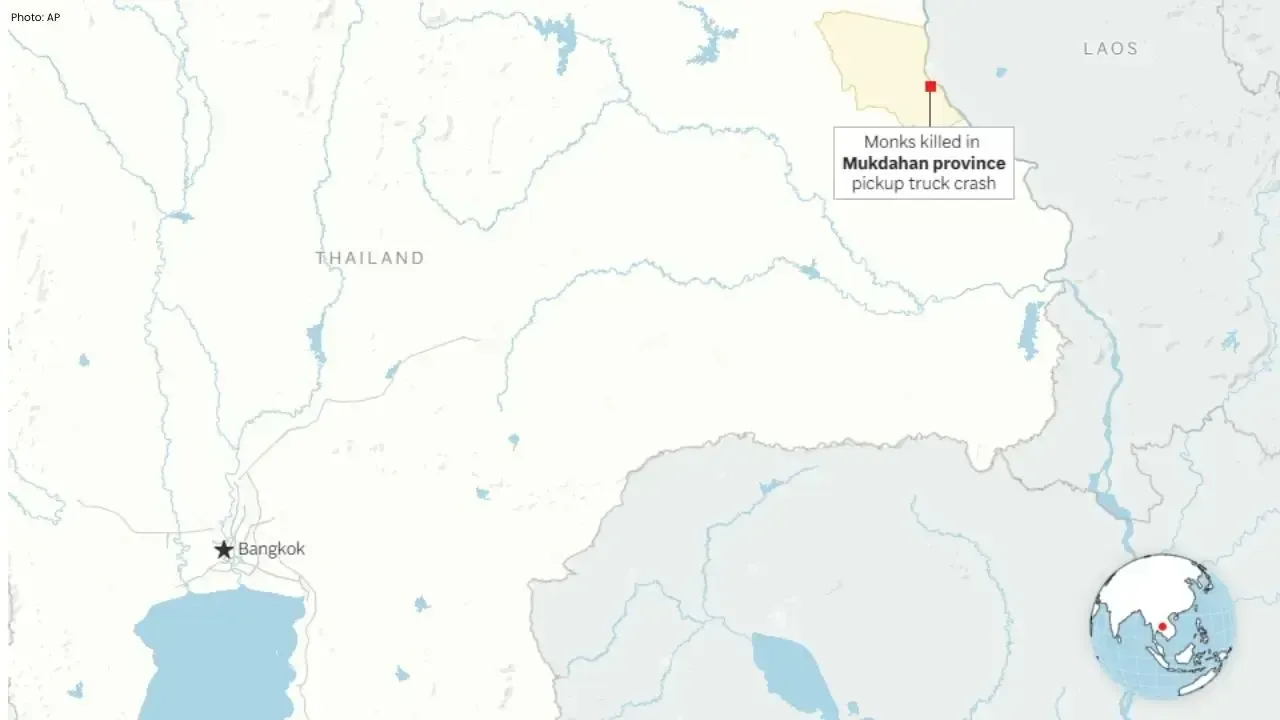
Nine Monks Killed in Thailand Pickup Truck Tragedy
An 11-year-old boy driving a pickup truck crashed into monks during a pilgrimage in northeastern Tha
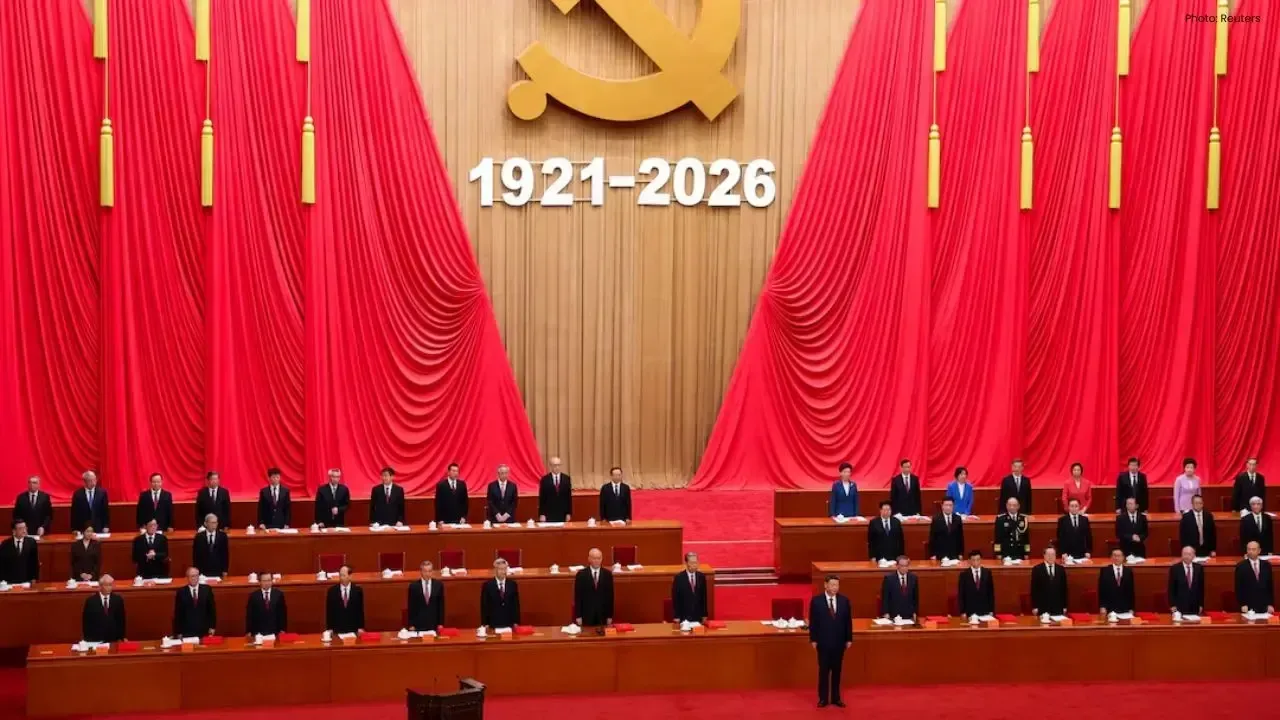
Anwar Congratulates Xi on CPC's 105th Anniversary
Malaysia reaffirms strong ties with China as PM Anwar Ibrahim sends a congratulatory letter to Presi
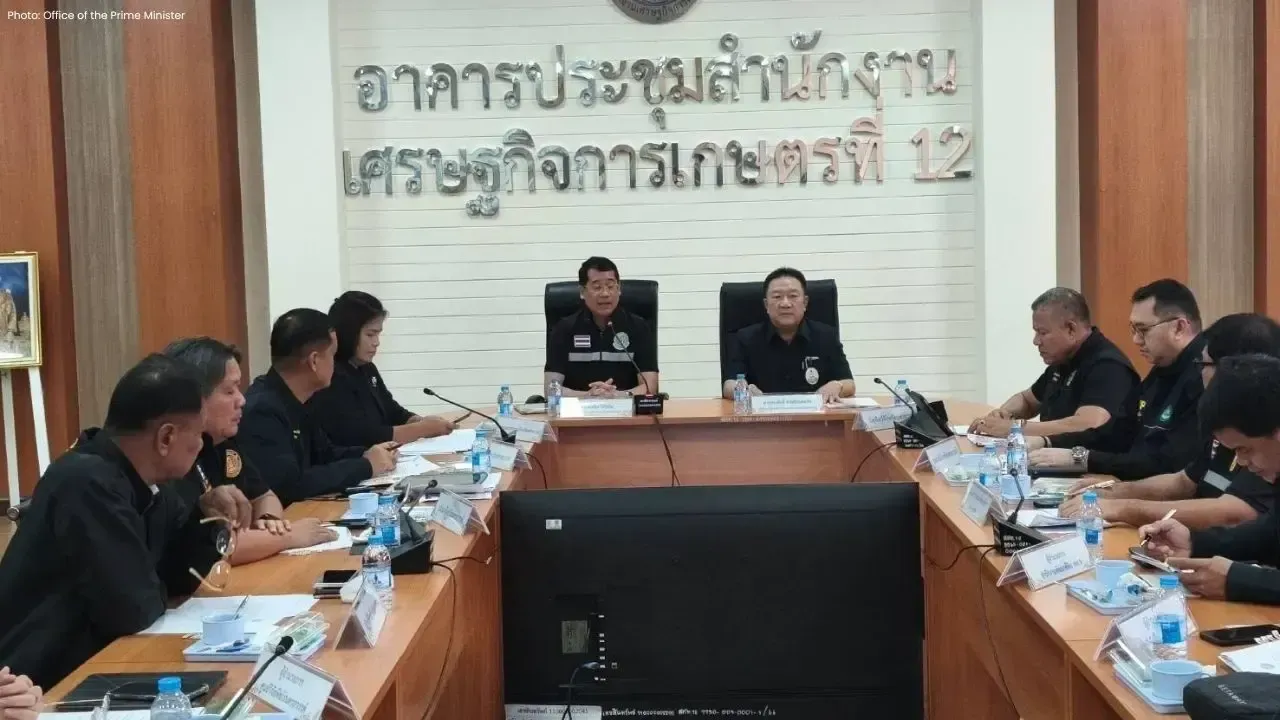
Thai Agriculture Team Reviews 2026 Farm Development Plans
Agriculture Ministry officials inspected livestock and organic rice projects in Nakhon Sawan to moni