You have not yet added any article to your bookmarks!
Join 10k+ people to get notified about new posts, news and tips.
Do not worry we don't spam!
Post by : Saif Rahman
Food is one of our most basic needs. Every person, no matter where they live, needs enough safe and healthy food to live and grow. But today, food security—the ability of people to have regular access to enough food—is under threat. One of the biggest reasons is climate change.
Climate change means long-term changes in Earth’s weather patterns. It includes rising temperatures, stronger storms, droughts, and floods. These changes are affecting farms, crops, and livestock worldwide. When farmers cannot grow enough food, or when food prices go up, families everywhere feel the impact.
How Climate Change Affects Food
Extreme Weather: Unpredictable rains or long dry spells damage crops. Floods wash away fertile soil, and heat waves dry out plants.
Water Shortages: Many crops, like rice and wheat, need a lot of water. As rivers and lakes dry up, farmers struggle to irrigate their fields.
Declining Soil Health: Heavy rains and rising sea levels can make soil salty or infertile, reducing the amount of food that can be grown.
Impact on Livestock: Heat stress affects animals like cows and chickens, reducing milk, eggs, and meat production.
Why This Matters to Everyone
Food insecurity does not only affect poor or rural areas. It can lead to higher food prices in cities, hunger in vulnerable communities, and even social unrest. According to the United Nations, over 735 million people faced hunger in 2023. If climate change worsens, these numbers could rise sharply.
Possible Solutions
Governments, scientists, and communities are working on ways to protect food supplies:
Climate-Smart Farming: Farmers are using drought-resistant seeds, better irrigation systems, and new farming methods to cope with changing weather.
Reducing Food Waste: About one-third of all food produced globally is wasted. Reducing waste means more food for those in need.
Sustainable Energy Use: Shifting to clean energy sources like solar and wind power reduces greenhouse gases that drive climate change.
Supporting Farmers: Training and financial support can help small farmers adapt to new conditions and protect their harvests.
What We Can Do
Even small actions help. People can support local farmers, reduce food waste at home, and learn about sustainable food choices. Schools and communities can teach children why protecting the environment matters for their future meals.
A Call for Global Action
Climate change is not just an environmental issue—it is a food issue. Governments must invest in resilient agriculture, share resources with poorer nations, and meet global climate goals like the Paris Agreement. Businesses should reduce emissions and invest in eco-friendly farming.
Food security and climate change are connected. Protecting our planet means protecting our plates. If we act now, we can make sure every child, farmer, and family has enough to eat—not just today, but for generations to come.







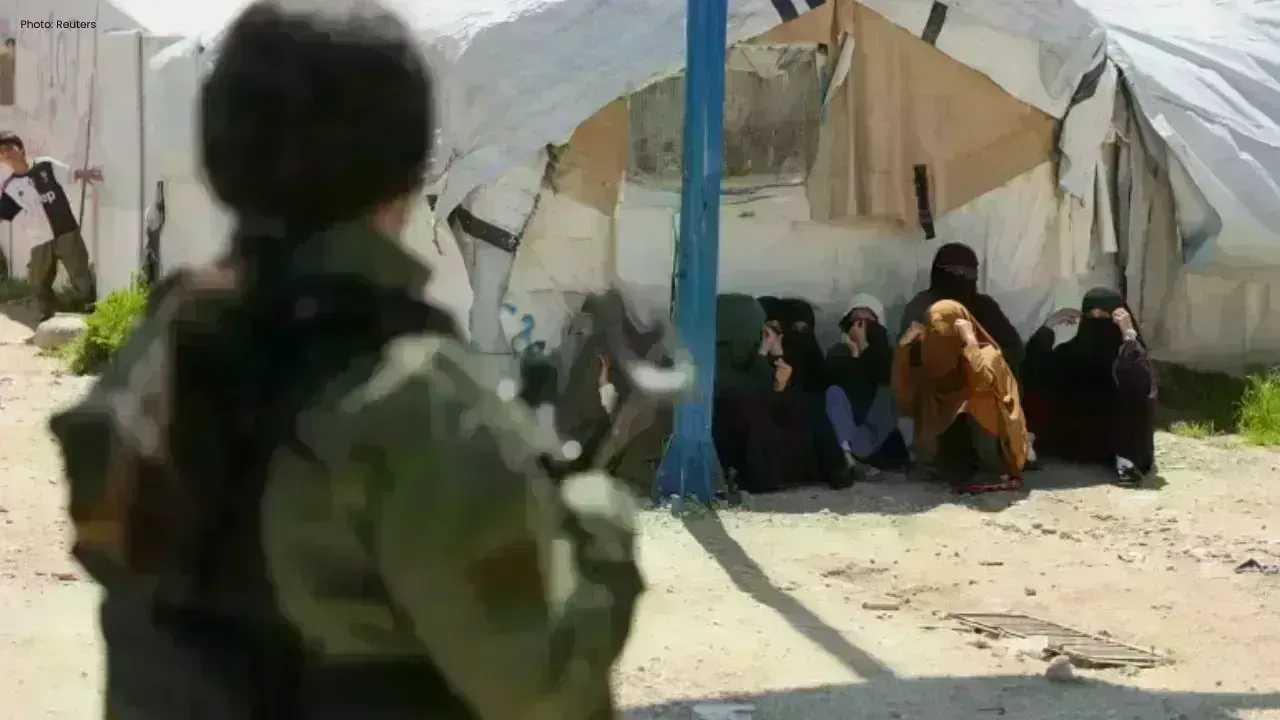
Australia Repatriates ISIL-Linked Families
Nineteen women and children with alleged ISIL ties returned from Syria as Australian authorities lau

Airlines Suspend Flights Amid Mideast War
Global airlines cancel and reroute flights across the Middle East as the Iran conflict disrupts avia

US-Armenia Deal Signed Before Elections
United States and Armenia signed a strategic partnership agreement as Yerevan strengthens ties with

Turkey Opposition Plans New Party Congress
CHP chairman Kemal Kilicdaroglu says party congress will be held after legal procedures are complete

Philippines Launches Drugs War Truth Panel
New independent commission will investigate alleged extrajudicial killings linked to former Presiden
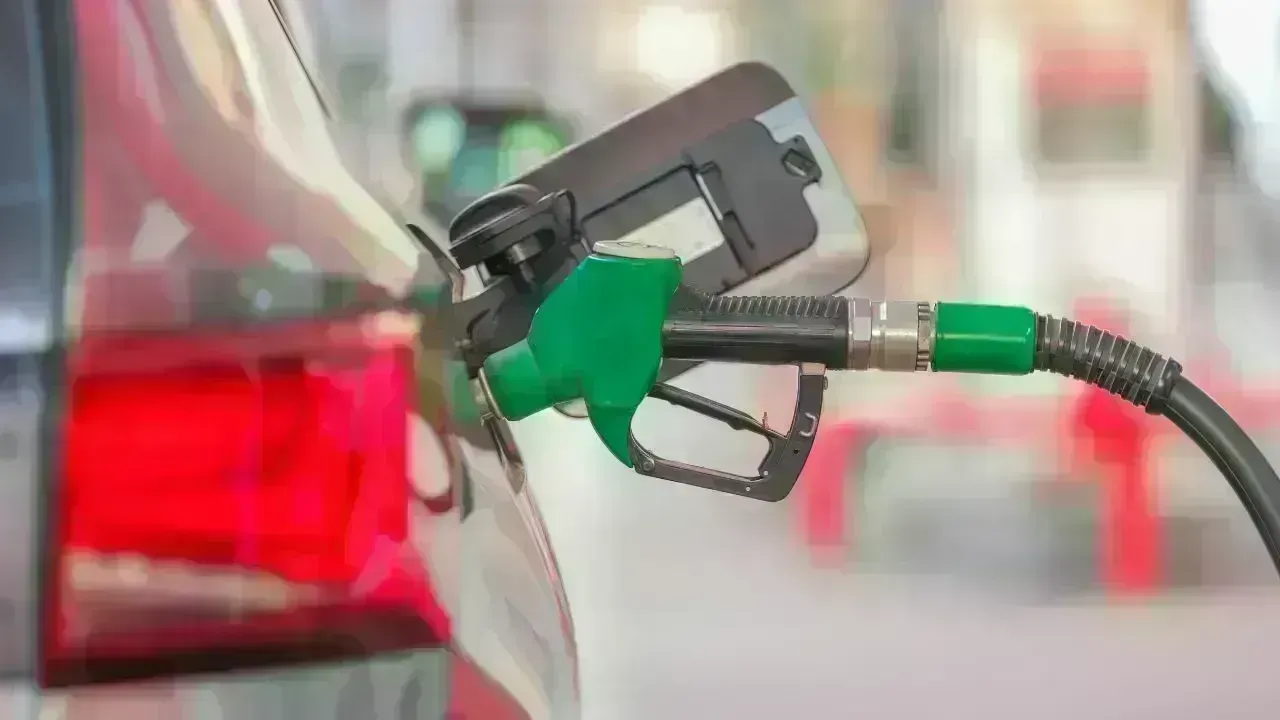
Cambodia Pushes $300B Energy Plan Fast
Global fuel crisis and Strait of Hormuz tensions push Cambodia to speed up efforts to unlock dispute