You have not yet added any article to your bookmarks!
Join 10k+ people to get notified about new posts, news and tips.
Do not worry we don't spam!
Post by : Anis Farhan
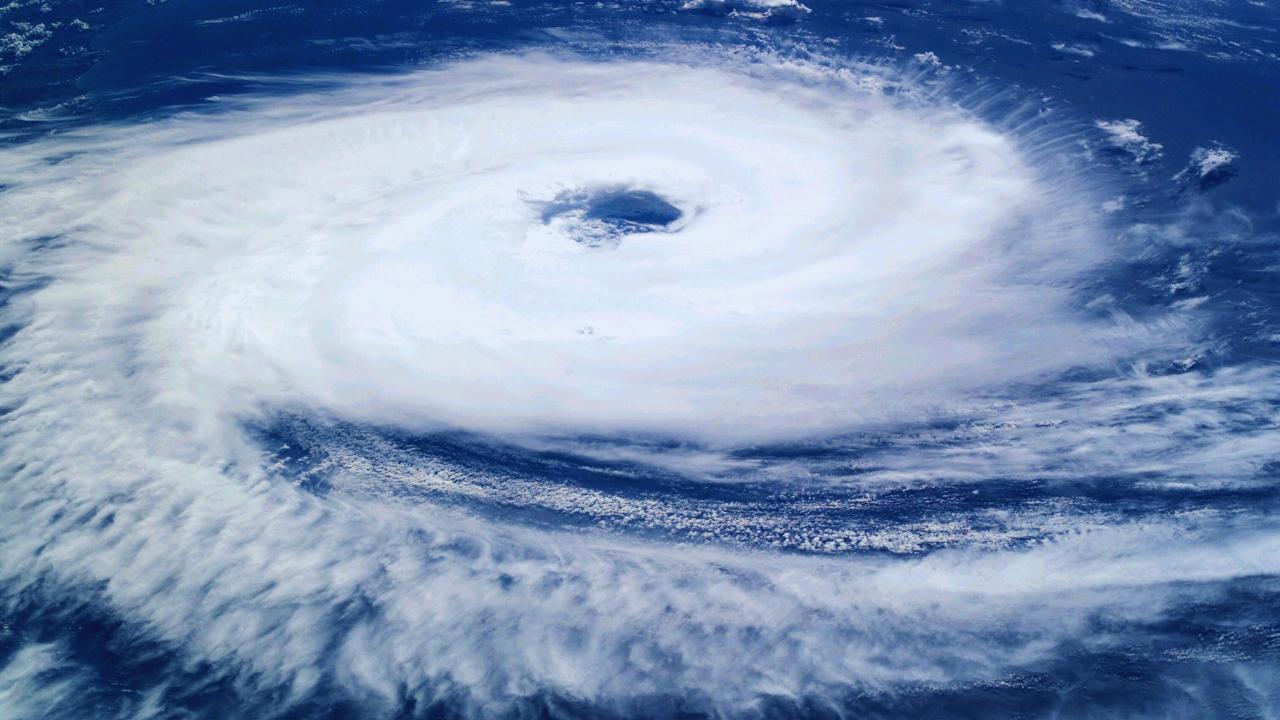
In 2025, tropical cyclones have become more than just seasonal phenomena—they are now markers of a world under rapid climate change. With storms forming earlier, traveling farther, and hitting harder, the global cyclone pattern this year reflects a dangerous intensification of tropical systems. From the Indian Ocean to the Pacific Rim, the past eight months have seen cyclones not only cause catastrophic damage but also break historical norms in frequency, wind strength, and landfall behavior.
This year has already recorded over 80 named systems globally, many of them crossing Category 3 and above. Several regions that were once considered low-risk for cyclones have been hit with unusual strength, suggesting that climate boundaries are being redrawn.
One of the most alarming trends in 2025 is the early formation of storms in various basins. Unlike previous years where the cyclone season followed predictable timelines, this year saw powerful storms like Cyclone Alfred forming well ahead of the standard Southern Hemisphere season.
Moreover, back-to-back systems have battered regions with barely enough recovery time in between. The Indian subcontinent, for example, has seen repeated landfalls from Bay of Bengal depressions and Arabian Sea cyclonic storms—often catching communities unprepared.
Cyclone Alfred made headlines in February as it rapidly intensified off the northern Australian coast. The system developed over unusually warm waters and struck the Gulf of Carpentaria, causing massive flooding in Queensland and the Northern Territory.
Peak Wind Speed: 195 km/h
Death Toll: 17
Estimated Economic Loss: $2.4 billion AUD
Impact: Destruction of rural infrastructure, crop loss, and coastal erosion
Alfred was a stark reminder of the growing unpredictability of Australian regional cyclones—particularly their speed of development and intensity.
The pre-monsoon and monsoon seasons in South Asia saw multiple depressions evolve into strong cyclonic systems, hitting coastal states like Odisha, West Bengal, and parts of Bangladesh. While not all developed into full-blown cyclones, the cumulative impact was devastating:
Thousands displaced
Farmlands submerged
Coastal erosion intensified
One system, initially classified as a deep depression in June, intensified rapidly and brought over 400 mm of rainfall in 36 hours, triggering flash floods and landslides.
In April, Cyclone Lanu became one of the strongest storms to ever hit Fiji and Tonga, tearing through island infrastructure and flattening villages.
Peak Wind Speed: 220 km/h
Death Toll: 24
Estimated Damage: $1.1 billion USD
Notable Feature: Two eyewall cycles, indicating rapid intensification
Climate scientists noted that sea surface temperatures in the South Pacific were 1.6°C above normal, fueling Lanu’s explosive development.
A combination of warmer sea temperatures, altered wind shear, and unpredictable atmospheric patterns has resulted in key changes:
Rapid Intensification: More storms now jump from tropical depression to Category 4 in less than 48 hours.
Longer Lifespans: Cyclones like Alfred and Lanu maintained peak strength for nearly a week.
Unusual Tracks: Several systems veered westward or curved north due to shifting high-pressure systems—affecting countries previously spared.
Double Landfalls: A new trend where storms weaken after initial landfall, re-enter open waters, and restrengthen before hitting again.
These shifts suggest that global warming isn’t just increasing storm severity—it’s rewriting the rules of cyclone formation and movement altogether.
The first half of 2025 has already surpassed $25 billion in cyclone-related economic losses, with hundreds of thousands affected across the Asia-Pacific, Indian Ocean, and African coastlines. The majority of these losses are linked to:
Disrupted agriculture in cyclone-prone rural economies
Inundated urban infrastructure and power grids
Collapsed tourism revenues in island nations
Rising insurance premiums and non-renewal in high-risk zones
On the human side, displacement remains the biggest issue. Governments in India, Bangladesh, and Mozambique report that cyclone shelters are overcrowded, aging, or insufficiently equipped to handle extreme surges.
Despite the growing danger, there are signs of adaptation and resilience:
Bangladesh has improved early-warning communication, evacuating over 200,000 people in under 24 hours during a June storm.
Fiji’s new cyclone shelters, built to Category 5 standards, withstood Cyclone Lanu’s full impact, saving hundreds of lives.
India’s disaster relief fund now includes provisions for mobile desalination units, preventing post-cyclone water crises in coastal areas.
These efforts, while commendable, are still outpaced by the scale and speed of storms in 2025.
Every major cyclone this year has been traced back to sea surface anomalies in the +1.2°C to +1.8°C range. These temperatures act as the fuel for cyclone intensification, enabling storms to strengthen even after landfall if they re-enter coastal waters.
Marine scientists are warning that unless ocean temperatures stabilize, we may soon see:
Hypercanes (hypothetical ultra-strong cyclones) becoming real threats
Annual doubling of Category 4+ cyclones
More storms outside traditional cyclone zones (e.g., Mediterranean or South Atlantic)
2025 has also seen more cyclones targeting high-density urban areas. Cities like Chennai, Maputo, and Suva have suffered from waterlogging, power outages, and transit paralysis.
Urban infrastructure, built for 20th-century weather conditions, is failing under the pressure of modern storm systems. Drainage networks are overwhelmed, informal settlements are destroyed, and emergency response timelines are stretched thin.
Meteorological agencies are pushing for:
Stronger regional radar networks
AI-based predictive cyclone models
Cross-border disaster planning between neighboring countries
Meanwhile, climate advocates stress the urgent need to hold polluting industries accountable for their contribution to warming seas and storm amplification.
Countries are also being advised to incorporate cyclone resilience into urban masterplans, rather than treating each storm as an isolated event. This includes everything from vertical evacuation points to flood-proof infrastructure and mangrove restoration.
This article is intended for informational and editorial purposes only. The cyclone trends, storm impacts, and regional data discussed are based on publicly available reports and global meteorological observations as of the time of writing. Readers are advised to consult official weather agencies and emergency services for real-time updates, localized warnings, and verified forecasts regarding tropical cyclone activity.






Lamborghini Catches Fire on Singapore's ECP, Causing Heavy Traffic
A Lamborghini caught fire on Singapore's ECP, causing heavy traffic and bus delays. No injuries were

Bangkok Airport Duty-Free Area Flooded by Pipe Burst
A burst water pipe flooded the duty-free shopping area at Bangkok's Suvarnabhumi Airport on July 16,
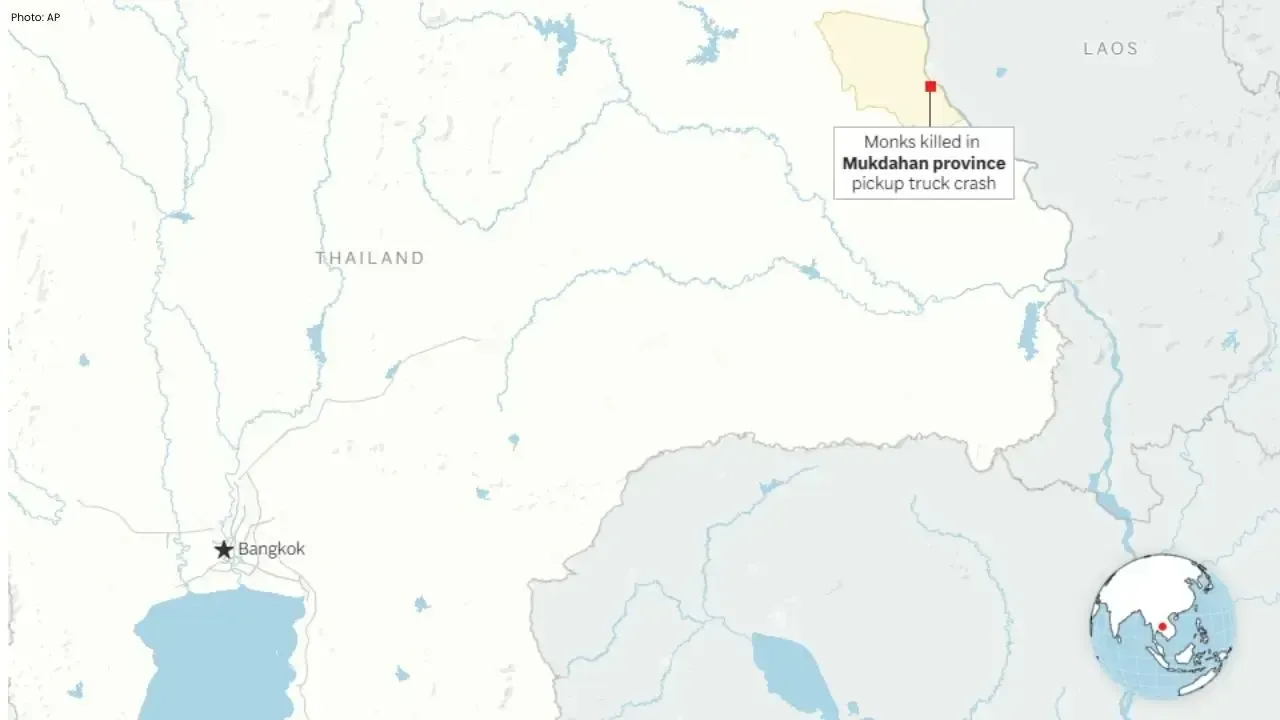
Nine Monks Killed in Thailand Pickup Truck Tragedy
An 11-year-old boy driving a pickup truck crashed into monks during a pilgrimage in northeastern Tha

Anwar Congratulates Xi on CPC's 105th Anniversary
Malaysia reaffirms strong ties with China as PM Anwar Ibrahim sends a congratulatory letter to Presi

Thai Agriculture Team Reviews 2026 Farm Development Plans
Agriculture Ministry officials inspected livestock and organic rice projects in Nakhon Sawan to moni

Thailand, Canada Boost Ties in PM-Level Phone Talks
Thailand and Canada agreed to strengthen trade, security, OECD cooperation and ASEAN-Canada FTA talk