You have not yet added any article to your bookmarks!
Join 10k+ people to get notified about new posts, news and tips.
Do not worry we don't spam!
Post by : Anis Farhan
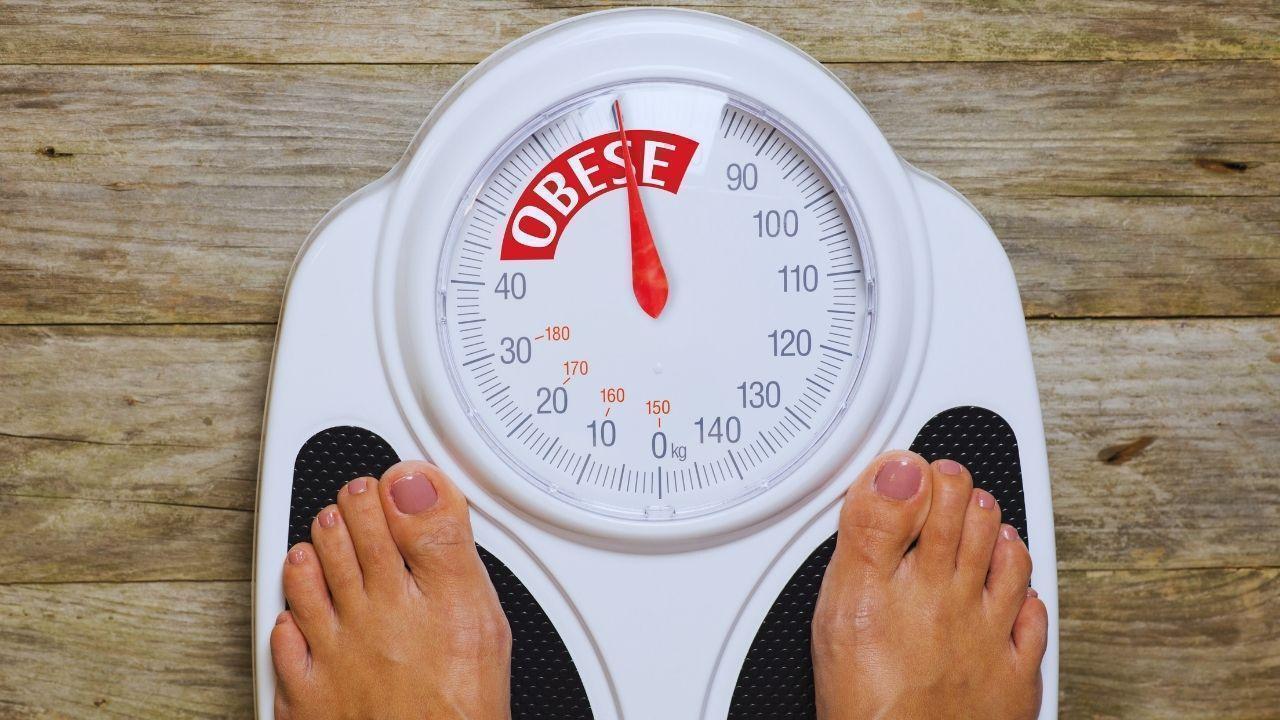
Obesity is no longer seen as a matter of simple willpower or overeating alone. It is recognized today as a complex, chronic disease involving hormonal, metabolic, genetic, and neurological factors. The body’s energy regulation system often “resists” weight loss, leading to plateauing or rebound weight gain after efforts.
Because of this complexity, lifestyle changes though essential, are often insufficient for many people to reach or maintain healthy weight levels. This gap has accelerated interest in pharmacological interventions—drugs designed to complement diet and activity by targeting underlying biological pathways.
The latest anti-obesity medications act via refined biological mechanisms. They are largely based on hormone signaling, appetite suppression, energy imbalance correction, and metabolic enhancement. Below are key mechanisms:
GLP-1 Receptor Agonists
These drugs mimic the glucagon-like peptide-1 hormone, which signals satiety, slows gastric emptying, and regulates blood sugar. Examples include semaglutide and liraglutide.
Dual or Multi-Agonists
Some newer agents act on multiple hormone receptors (e.g., GLP-1 + GIP, or GLP-1 + glucagon), amplifying appetite control and metabolic benefits.
Amylin Agonists and Combination Therapies
Combining hormones such as amylin with GLP-1 has been shown to enhance weight loss beyond what’s possible with a single pathway.
Oral Small-Molecule Agonists
Researchers are developing pills (non-injectable) that mimic the effects of injectable drugs, aiming for convenience and broader accessibility.
Each approach aims to modulate appetite, reduce caloric intake, improve metabolism, and mitigate obesity’s downstream health risks.
A recent systematic review and network meta-analysis of obesity management medications examined dozens of randomized controlled trials involving over 60,000 participants. Nature
Key findings:
All studied medications achieved significantly greater weight loss than placebo. Some drugs, like semaglutide and tirzepatide, showed reductions exceeding 10 % of body weight. Nature
These agents not only reduced weight but also positively affected conditions like blood sugar control, blood pressure, lipid levels, and even reduced hospitalizations for heart failure in some groups. Nature
However, safety profiles vary: common side effects include gastrointestinal symptoms (nausea, diarrhea), risk of pancreatitis, and potential long-term unknowns.
Thus, while the efficacy is promising, the decision to use these drugs must weigh benefits versus risks for individual patients.
Guidelines from Europe now recommend semaglutide and tirzepatide as first-line drug choices when substantial weight loss is needed. Reuters These drugs have proven themselves effective enough that obesity specialists consider them go-to options over older medications.
Combination therapies are pushing boundaries. In clinical trials, cagrilintide + semaglutide achieved average weight loss of about 20.4 % over 68 weeks, outperforming either drug alone. Wikipedia This synergy demonstrates how multi-hormonal targeting may become standard.
Mazdutide is a dual agonist (GLP-1 and glucagon receptor) currently in late-stage studies. It recently showed clinically meaningful weight loss in Chinese adults. Wikipedia Its dual receptor action offers promise for enhanced metabolic benefits.
In a Phase 2 trial, maridebart cafraglutide (a once-monthly agent) led to substantial weight reductions in people with obesity, with or without type 2 diabetes. New England Journal of Medicine The appeal is fewer doses, simpler regimens.
One of the most anticipated developments is orforglipron, an oral (pill) GLP-1 receptor agonist developed by Eli Lilly. Wikipedia+1 Because oral drugs are easier to administer and scale, this could expand access if safety and efficacy hold up. Early trials show meaningful weight loss with a safety profile comparable to injectables.
Pemvidutide is a dual GLP-1/glucagon agonist in trials, showing both metabolic and weight loss effects. Wikipedia These multi-target drugs offer more comprehensive treatment potential for obesity and related hepatic conditions.
2025 is shaping up as a pivotal year in the anti-obesity drug space. Key observations:
The global market for anti-obesity medications has already crossed $30 billion, largely driven by semaglutide and tirzepatide. IQVIA
There is increasing emphasis on real-world evidence to validate controlled-trial results in broader populations. IQVIA
The near-term launch of oral formulations is expected to disrupt accessibility and potentially reduce costs. Bryant News
New guidelines are pushing GLP-1 and newer agents into earlier stages of treatment algorithms. Reuters
Approvals of generic versions of older drugs are also on the rise, which may make baseline therapies more affordable. Reuters
This evolving market suggests a shift from niche, high-cost treatments toward more mainstream therapeutic options.
While promising, these drugs are not silver bullets. Key concerns include:
Gastrointestinal issues such as nausea, diarrhea, and vomiting are common. Some patients discontinue use because of side effects. RAND Institute+2Nature+2 Rare but serious risks include pancreatitis and gallbladder issues. Long-term safety beyond 5-10 years remains under study.
These drugs are expensive. Even if effective, affordability and insurance coverage remain barriers. Some analyses suggest that while they may save healthcare costs long-term by reducing comorbidities, short-term expenses can spike. Yale Insights
Stopping therapy often leads to weight rebound unless lifestyle changes are solidly in place. Drugs should ideally be viewed as long-term tools, not short courses.
Not every patient responds equally. Genetic, behavioral, and metabolic differences influence results. Tailored treatment plans and close monitoring are essential.
If these therapies remain costly or restricted to wealthy countries, they risk worsening health disparities. Ensuring global access will be a key ethical challenge.
Anti-obesity drugs should complement, not replace, lifestyle measures. Key components to integrate:
Nutritional modification (balanced diet tailored to individual needs)
Physical activity (strength + cardio)
Behavioral therapy (psychological support, habit change)
Medical supervision with personalized adjustments
Monitoring and managing comorbidities (diabetes, hypertension)
Drugs work best when the foundation is healthy behavior; they act as accelerators rather than standalone solutions.
The next wave of anti-obesity therapies may bring:
Oral first-line drugs with easier dosing
Quintuple-agonist drugs that target five metabolic pathways simultaneously The Times of India
Combination therapies (e.g. hormone + receptor modulators)
Wider approval for earlier-stage obesity (e.g. lower BMI thresholds)
Greater insurance coverage as real-world benefit data accumulate
Expansion to more regions globally—beyond high-income markets
If successful, these advances could transition obesity treatment from chronic struggle to manageable disease control.
This article provides general information based on current research and emerging developments in anti-obesity pharmacotherapy. It is not medical advice. Individuals considering these treatments should consult licensed healthcare professionals for personalized evaluation, risks, and suitability.









George Russell Wins Dutch GP Sprint, Boosts Mercedes Morale
George Russell wins the Dutch GP Sprint from pole as Mercedes teammate Kimi Antonelli extends his F1

Australia 50/3 After Bangladesh Bowled Out for 64 in Second Test
Australia reached 50/3 after Bangladesh were bowled out for 64 in the second Test, with Mitchell Sta

Jordan Burroughs Returns to Wrestling with 2028 Olympic Dream
Jordan Burroughs returns to wrestling with Real American Freestyle as the Olympic champion eyes a po

Lamborghini Catches Fire on Singapore's ECP, Causing Heavy Traffic
A Lamborghini caught fire on Singapore's ECP, causing heavy traffic and bus delays. No injuries were

Bangkok Airport Duty-Free Area Flooded by Pipe Burst
A burst water pipe flooded the duty-free shopping area at Bangkok's Suvarnabhumi Airport on July 16,

Nine Monks Killed in Thailand Pickup Truck Tragedy
An 11-year-old boy driving a pickup truck crashed into monks during a pilgrimage in northeastern Tha