You have not yet added any article to your bookmarks!
Join 10k+ people to get notified about new posts, news and tips.
Do not worry we don't spam!
Post by : Sameer Farouq
Celebrated on the day following Diwali, Govardhan Pooja is a significant Hindu festival dedicated to Lord Krishna and the sacred Govardhan Hill. This festival signifies Krishna’s triumph over Lord Indra’s pride, centering on a deep appreciation for nature's generosity.
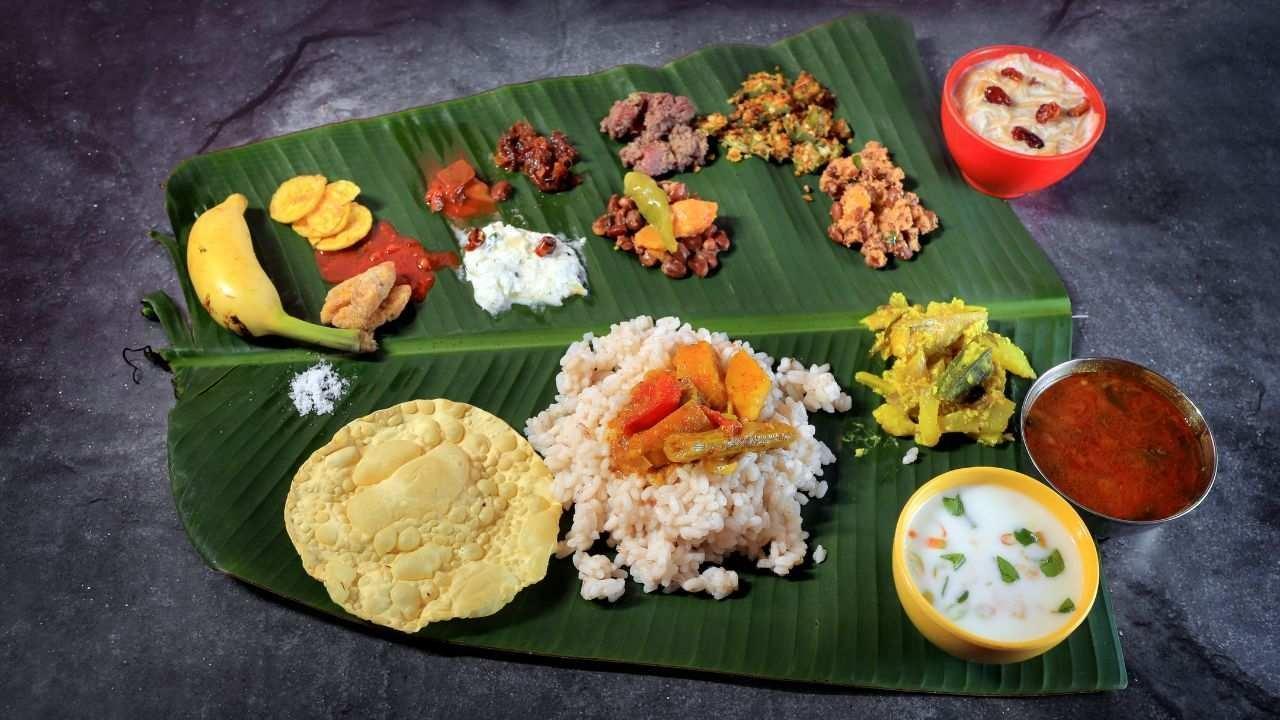
A highlight of this celebration is the creation of Annakut, translating to a ‘mountain of food’ offered to Lord Krishna. Devotees showcase an extensive variety of traditional dishes, sweets, and delicacies as a gesture of love, devotion, and gratitude. Each item holds unique spiritual and symbolic importance, enhancing the ceremony.
Annakut, meaning 'mountain of food', involves preparing an impressive assortment of vegetarian dishes that signify prosperity and gratitude. Houses and temples display these culinary treasures in tiered arrangements that mimic Govardhan Parvat, the hill that Krishna heroically lifted to safeguard the people of Vrindavan.
The number of dishes varies by location and custom, but a cherished tradition includes creating Chappan Bhog, consisting of a remarkable 56 food items that are believed to be Lord Krishna’s favorites.
What About the 56 Items?
The inspiration behind Chappan Bhog stems from the story of Govardhan. During the seven days Krishna held up the hill, villagers could not provide him with his usual eight meals. Post-rain, they prepared 7 days × 8 meals = 56 dishes as a show of gratitude — leading to the term Chappan Bhog.
The Importance of Food Offerings
Offering a diverse range of dishes represents devotion, variety, and selfless dedication. It's the love and purity behind the preparation that matters. Each dish is traditionally prepared sans onion and garlic, adhering to sattvic (pure) values appropriate for divine offerings.
1. Rice and Grain Delights
Plain Steamed Rice / Jeera Rice – A staple in the Annakut offering, symbolizing purity.
Khichdi – A comforting blend of rice and lentils, representing humility.
Pulao and Kesar Bhaat – Aromatic rice dishes symbolizing joy and success.
Symbolism: Grain-based dishes embody abundance and sustenance, reflecting gratitude for nature's harvest.
2. Lentil and Curry Selections
Dal Tadka / Moong Dal – A nutritious dish that signifies nourishment.
Aloo Tamatar Ki Sabzi – A simple, delicious curry mirroring everyday devotion.
Paneer Curry (Shahi Paneer or Matar Paneer) – Embodies richness and devotion, frequently featured in temple offerings.
Symbolism: Lentils and curries denote strength and sustenance, vital for both life and faith.
3. Breads and Savory Treats
Poori – Deep-fried bread often prepared fresh during the puja, symbolizing abundance.
Paratha / Thepla – Homemade flatbreads showcasing family unity.
Kachori / Samosa / Pakora – Festive snacks that add variety to the Annakut spread.
Symbolism: Breads signify honesty and teamwork, reflecting familial cooperation during the preparation.
4. Traditional Sweets and Desserts
Laddu (Besan or Motichoor) – A favorite of Krishna symbolizing sweetness and divine grace.
Kheer (Rice Pudding) – Signifying purity and the essence of devotion.
Halwa (Sooji or Moong Dal) – Crafted with ghee, sugar, and love, representing spiritual abundance.
Peda and Sandesh – Offerings of love, often shared as prasad.
Symbolism: Sweets emphasize joy and divine blessings, fostering happiness within the community.
5. Vegetables and Seasonal Gifts
Saag (Leafy Greens) – Symbolizes fertility and the nurturing gifts of nature.
Mixed Vegetable Curry – Highlights unity amidst variety.
Boiled or Steamed Root Vegetables – Signifies humility and earth connection.
Symbolism: Vegetable dishes reflect gratitude towards nature, the sustainer of life.
6. Dairy Choices (Krishna's Favorites)
Makhan (Butter) – Krishna’s preferred offering, symbolizing innocence.
Dahi (Curd) – Represents purity and life's simple joys.
Shrikhand / Lassi – Sweet dairy options lovingly prepared for Krishna.
Symbolism: Dairy offerings celebrate Krishna’s formative years as Makhan Chor and exemplify sweetness.
Each dish made during Govardhan Pooja serves as an expression of gratitude. It's far more than a feast; it’s a spiritual bond connecting humans, nature, and divinity. Through these offerings, devotees embody values of:
Humility: Food begins with an offering to God, showcasing respect.
Community: Shared meals forge bonds and promote compassion.
Purity: Only vegetarian, sattvic food is used, preserving sanctity.
Service: Cooking morphs into an act of seva (selfless service), enriching the spirit.
Through these gestures, participants acknowledge that every morsel is sacred and each bite signifies divine blessings.
Contemporary families may not adhere strictly to 56 dishes but maintain the ritual with heartfelt devotion. Simplified Annakut platters featuring symbolic items like rice, dal, curry, sweets, and dairy are common. Many temples around the globe also host community feasts where devotees join in preparing and sharing these foods.
Modern variations sometimes include health-conscious or contemporary adaptations of beloved dishes while upholding the spiritual core.
The foods created during Govardhan Pooja transcend mere festive dishes; they embody gratitude toward nature and Lord Krishna. Whether humble or lavish, each offering is rich in spiritual significance that symbolizes the connection between the divine and the devotees.
As Krishna illustrated through the Govardhan Leela, authentic worship is rooted in humility, gratitude, and the love for all beings. The Annakut celebration serves as a reminder that food, lovingly prepared, transforms into a sacred offering, where cooking and sharing become acts of worship.
This content is designed for educational purposes. Descriptions regarding traditional foods, rituals, and their meanings reflect widely observed practices and may vary by region and culture. Readers are encouraged to adhere to local customs or consult respected sources for confirmation.










George Russell Wins Dutch GP Sprint, Boosts Mercedes Morale
George Russell wins the Dutch GP Sprint from pole as Mercedes teammate Kimi Antonelli extends his F1

Australia 50/3 After Bangladesh Bowled Out for 64 in Second Test
Australia reached 50/3 after Bangladesh were bowled out for 64 in the second Test, with Mitchell Sta

Jordan Burroughs Returns to Wrestling with 2028 Olympic Dream
Jordan Burroughs returns to wrestling with Real American Freestyle as the Olympic champion eyes a po

Lamborghini Catches Fire on Singapore's ECP, Causing Heavy Traffic
A Lamborghini caught fire on Singapore's ECP, causing heavy traffic and bus delays. No injuries were

Bangkok Airport Duty-Free Area Flooded by Pipe Burst
A burst water pipe flooded the duty-free shopping area at Bangkok's Suvarnabhumi Airport on July 16,
Nine Monks Killed in Thailand Pickup Truck Tragedy
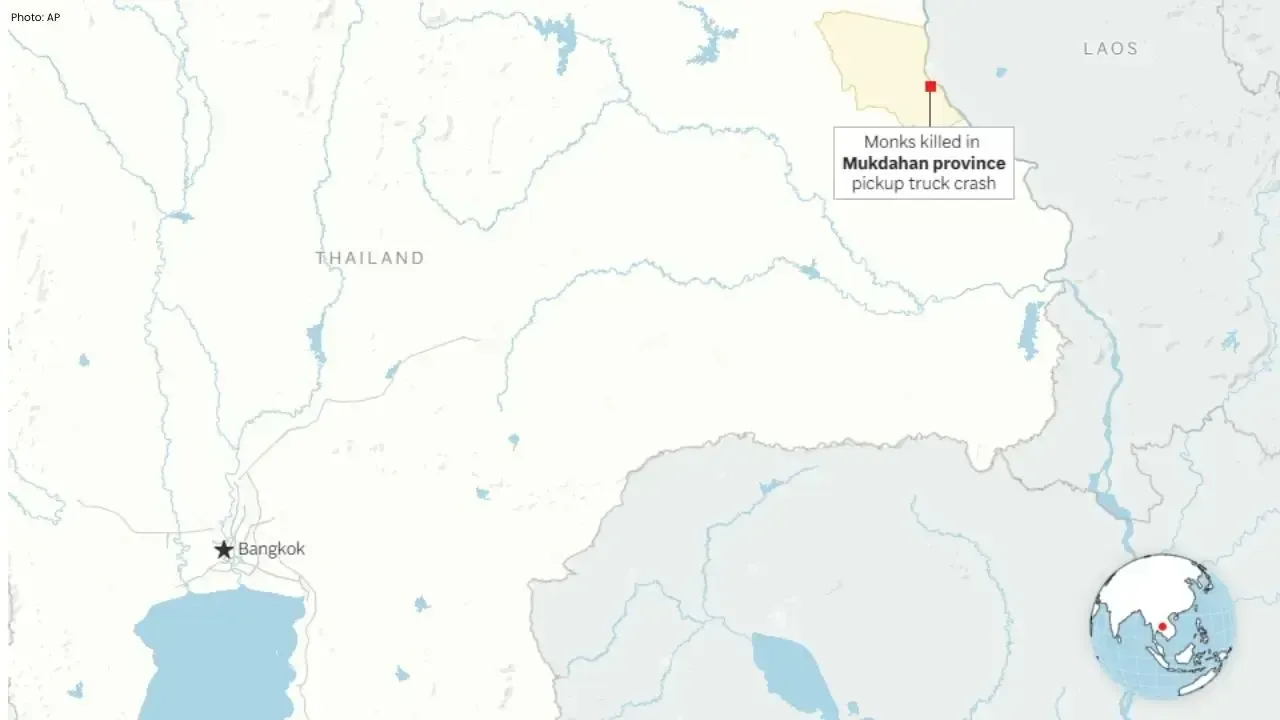
An 11-year-old boy driving a pickup truck crashed into monks during a pilgrimage in northeastern Tha